Everything You Need to Know About Notarizing a Deed (And How to Get It Done the Right Way)
Transferring property ownership is a big deal—and one small mistake in your paperwork can cause delays, legal issues, or even rejection by the county.
That’s where proper deed notarization comes in.
Whether you’re buying, selling, or transferring property to a family member, understanding the notarization process can save you time, stress, and costly errors. More importantly, working with the right notary ensures everything is done correctly the first time.

What Is a Deed and Why Does It Need to Be Notarized?
A deed is a legal document that officially transfers ownership of property from one party to another. Common types include warranty deeds and quitclaim deeds.
Notarization is required to:
✔ Verify the identity of the signer
✔ Confirm the signer is acting willingly
✔ Help prevent fraud
✔ Ensure the document can be legally recorded
Without proper notarization, your deed may not be accepted by the county—delaying your entire transaction.
Step-by-Step: How Deed Notarization Works
1. Understand Your Document
Before anything else, make sure you know what type of deed you’re signing. Each type carries different legal implications, and accuracy is critical.
2. Prepare Valid Identification
You’ll need a government-issued ID such as a driver’s license or passport. This allows the notary to verify your identity and proceed with the notarization.
3. Review the Deed Carefully
Check all details before signing:
- Names of all parties
- Property description
- Legal language and formatting
Errors at this stage can lead to rejection when recording the document.
4. Sign in the Presence of a Notary
This is one of the most important steps. You must sign the deed in front of the notary—not before.
Signing ahead of time can invalidate the notarization and force you to redo the entire process.
5. Notary Completes the Certificate
The notary will:
- Witness your signature
- Complete the notarial certificate
- Apply their seal and signature
This step officially validates your document.
6. Record the Deed
Once notarized, the deed must be recorded with the county clerk’s office where the property is located. This makes the transfer public and legally recognized.
7. Keep a Copy for Your Records
Always keep a copy of your notarized deed for future reference. It serves as proof of ownership and documentation of the transaction.
Common Mistakes to Avoid
Many property transactions get delayed because of simple, avoidable mistakes:
🚫 Signing before the notary is present
🚫 Missing or invalid identification
🚫 Incorrect names or property details
🚫 Using the wrong type of deed
🚫 Skipping the recording process
Avoiding these issues can save you time, money, and frustration.
How ANF Signings LLC Makes the Process Easy
At ANF Signings LLC, we specialize in making deed notarization fast, accurate, and stress-free.
Whether you’re handling a real estate closing, transferring property, or preparing legal documents, our team ensures everything is completed correctly from start to finish.
We offer:
✔ Mobile Notary Services – we come to you
✔ Remote Online Notarization (RON) – notarize from anywhere
✔ Loan Signing Services for real estate transactions
✔ Legal Document Preparation support
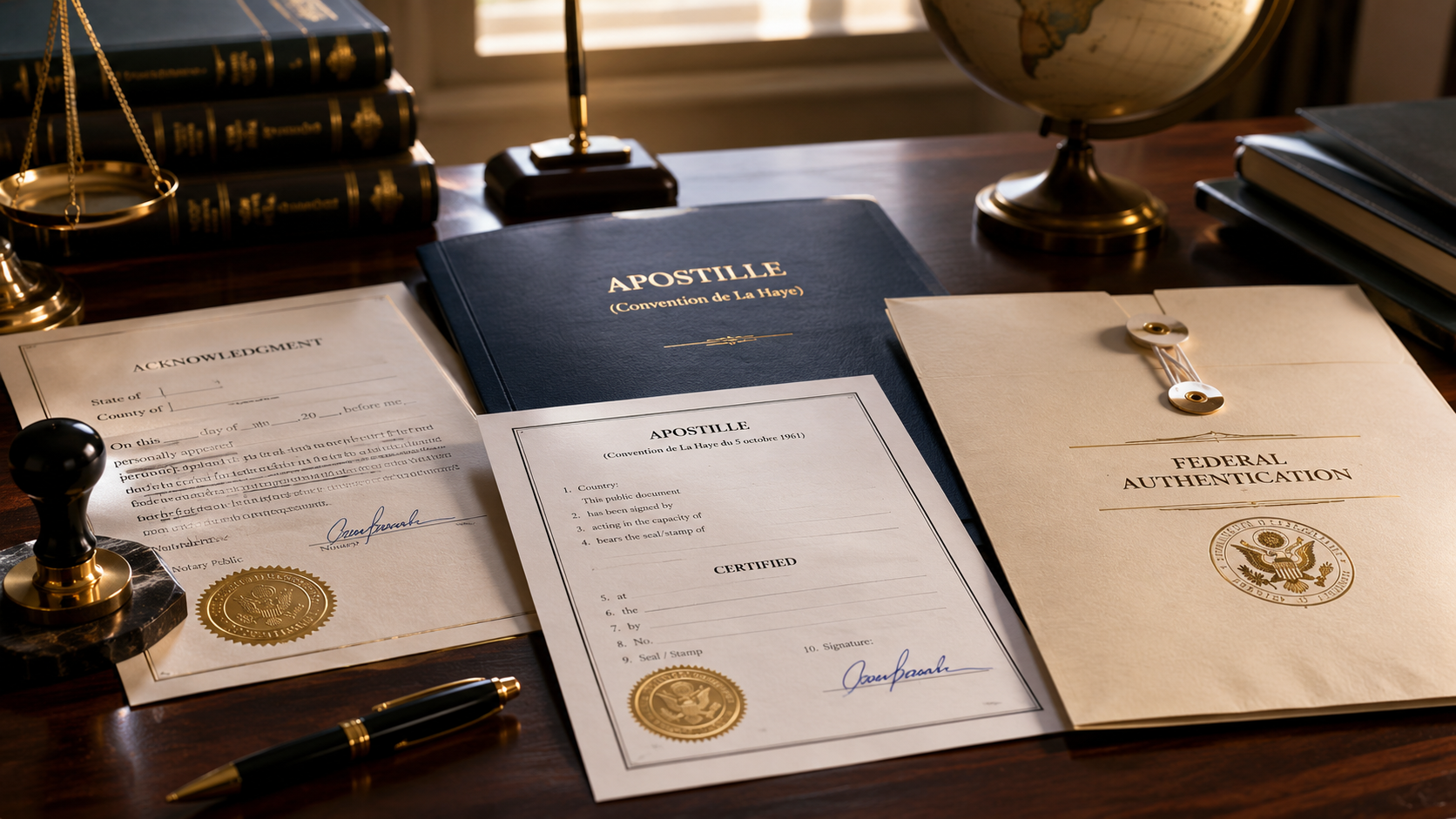
✔ Apostille & document authentication services
We don’t just notarize—we help you avoid mistakes, stay compliant, and complete your transaction with confidence.
Ready to Notarize Your Deed?
Don’t risk delays or rejected documents. Work with professionals who understand the process and get it done right the first time.
Book your appointment today with ANF Signings LLC
📩 Have questions? Contact us—we’re here to help
📧support@anfsignings.com
📱540-242-3477
📍1936 William Street Fredericksburg, VA, 22401
Your documents matter. Let’s make sure they’re handled the right way.