Why Your Apostille Request May Get Rejected
When you need to use documents outside of the United States, getting an apostille can feel like one more stressful step in an already important process.
Whether your documents are for immigration, marriage abroad, school, business, adoption, or legal matters, the last thing you want is to submit everything and later find out your apostille request was rejected.
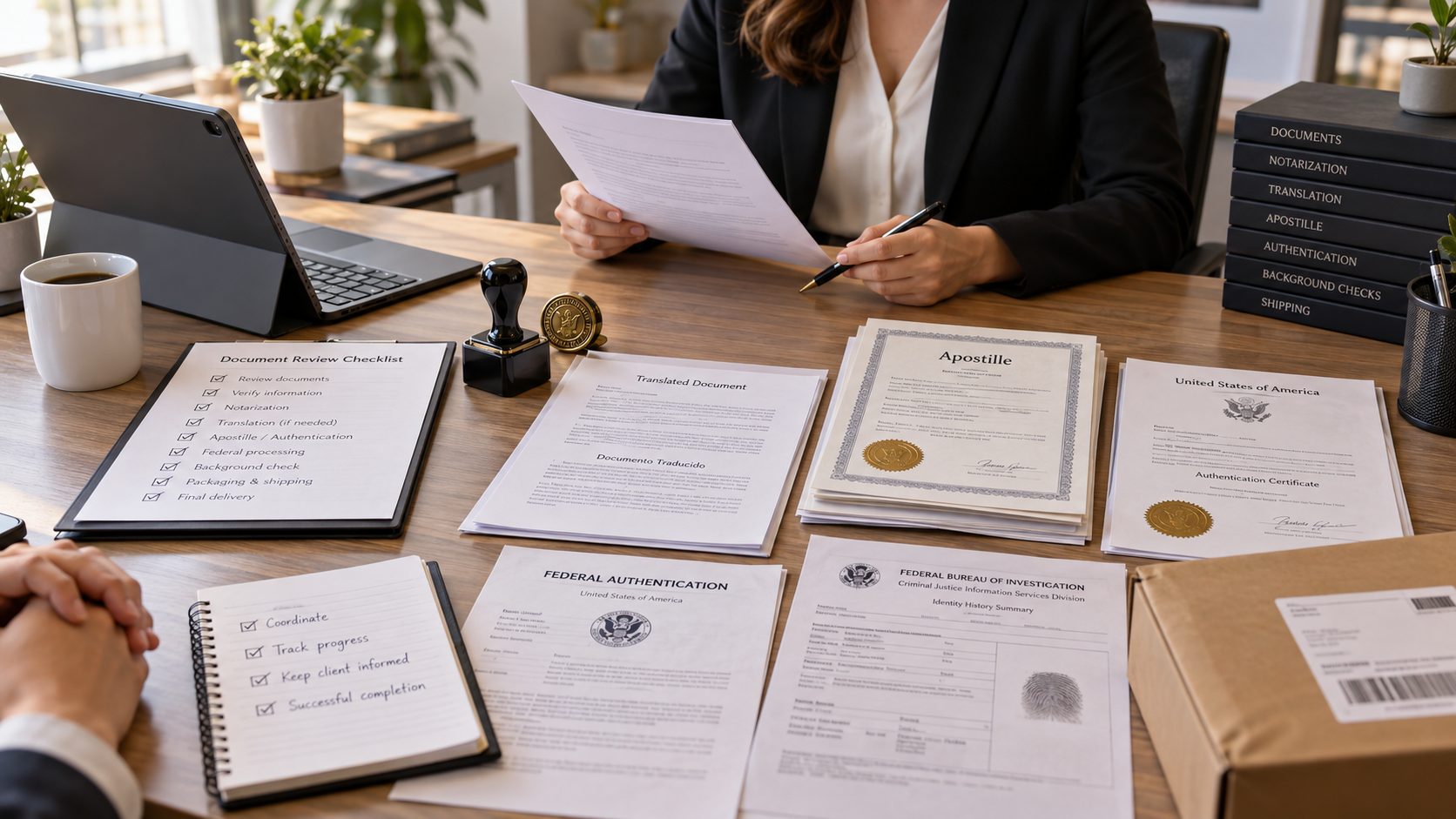
At ANF Signings Notary & Apostille Services, we help clients avoid common mistakes by reviewing documents before they are submitted and guiding them through the correct process.
Below are some of the most common reasons an apostille request may get rejected.

1. The document was sent to the wrong agency
One of the biggest mistakes people make is sending the document to the wrong office.
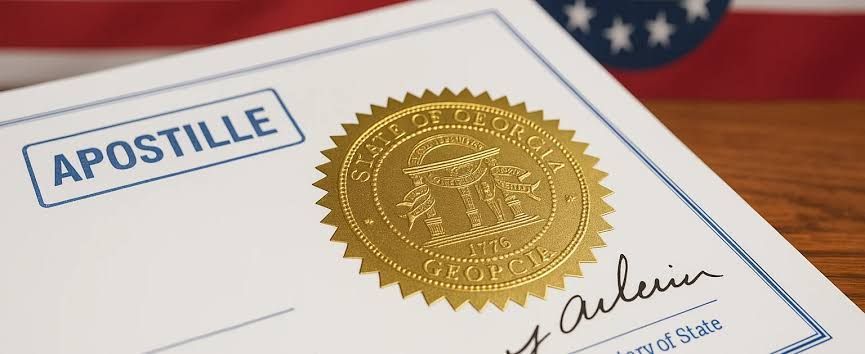
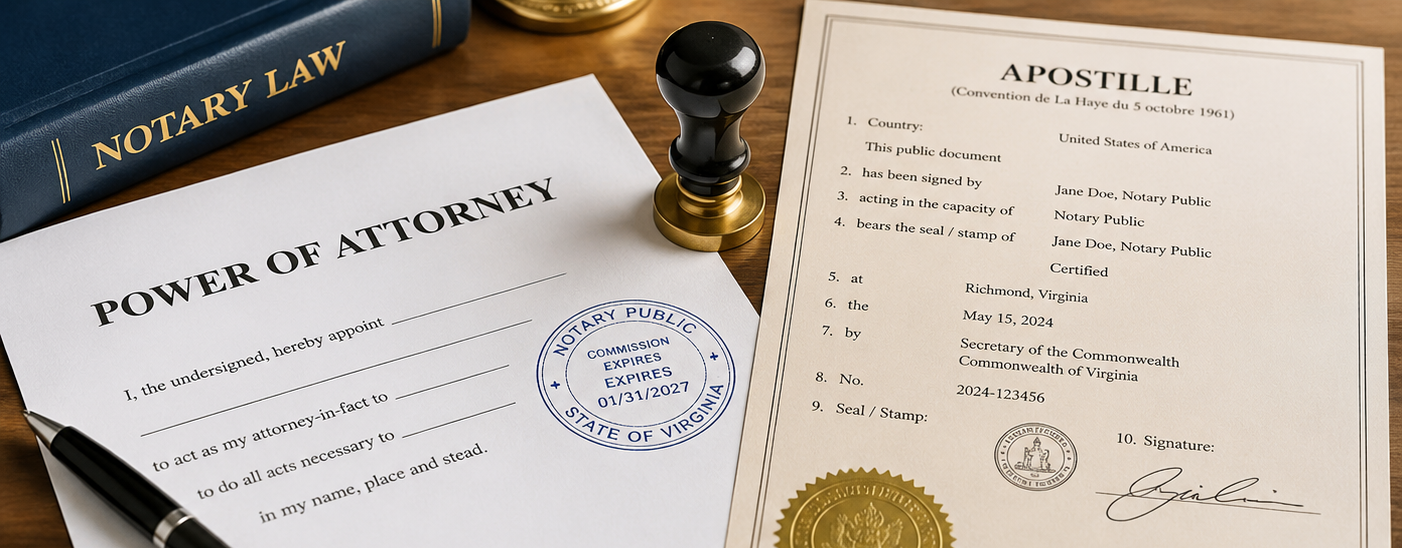
Apostilles are usually handled by the state that issued the document or where the public official signed it. For example, a Virginia notarized document generally needs to be handled through Virginia, not Florida or another state. State-issued documents usually need to go through the issuing state, while certain federal documents may need to go through the U.S. Department of State. (Link)
This is especially important for documents such as:
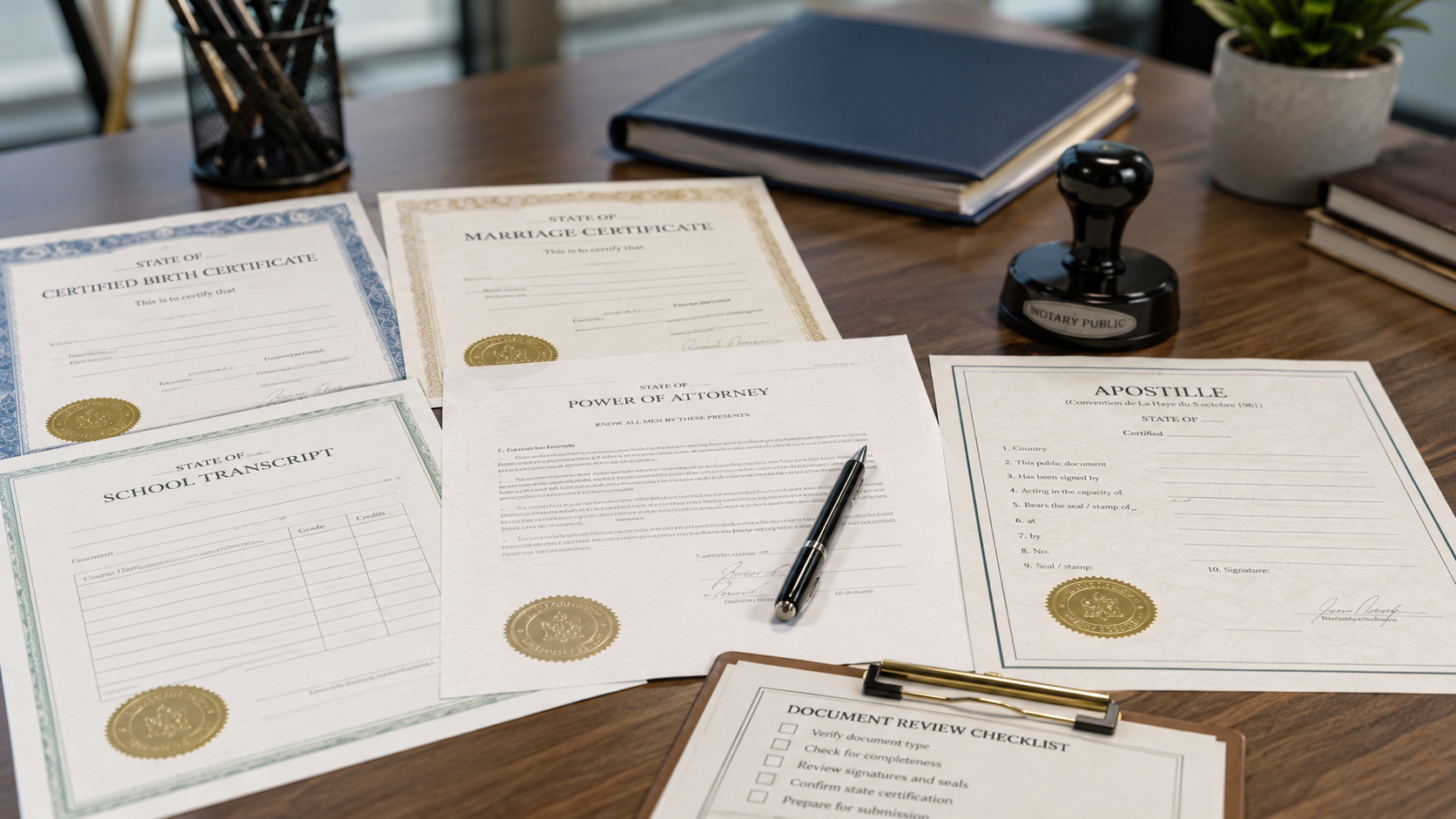
✅ Birth certificates
✅ Marriage certificates
✅ Divorce decrees
✅ School records
✅ Business documents
✅ FBI background checks
✅ Power of attorney documents
Sending your request to the wrong agency can cause unnecessary delays, returned documents, and missed deadlines.
2. The destination country was not confirmed
An apostille is only used for countries that are part of the 1961 Hague Apostille Convention. If the country where the document will be used is not part of that treaty, the document may need a different type of authentication or legalization process instead. (Link)
This is why the destination country matters. Before submitting your documents, you should know exactly where the document will be used. Some request forms also require you to list the destination country when requesting authentication services. (Link)
3. The notarization is incorrect or incomplete
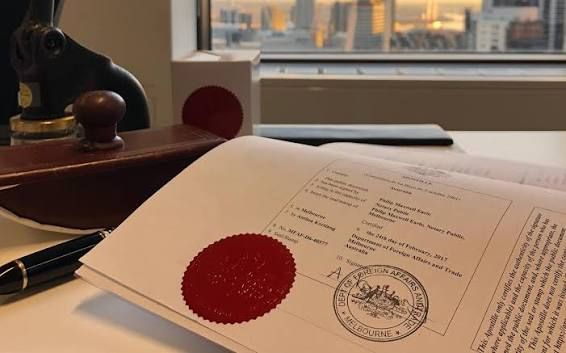
TIf your document requires notarization before it can be apostilled, the notarization must be completed correctly. A document may be rejected if the notarial certificate is missing required information, has incorrect wording, lacks the notary’s signature or seal, or contains errors in the venue, date, or signer information.
For example, Florida requires notarized documents submitted for apostille or notarial certification to include a full notarial statement along with the original notary signature, stamp, and seal. (Link)
Common notarization issues include:
✅ Missing notary seal
✅ Missing notary signature
✅ Incorrect state or county
✅ Missing date
✅ Wrong notarial wording
✅ Expired notary commission
✅ Missing signer name
✅ Photocopy instead of original notarized document
This is why document review before submission is so important.
4. A photocopy was submitted when an original or certified copy was required
Many apostille requests are rejected because the client submits a regular photocopy instead of the required original or certified copy.
Vital records such as birth certificates, marriage certificates, and death certificates usually must be certified copies issued by the proper government office. Florida, for example, states that an original certified copy or certificate of status is required for public documents and that photocopies are not acceptable. (Link)
For Virginia vital records, the document must be issued by the Virginia Department of Vital Records within the past 12 months, and Virginia notes that its law prohibits notarization of vital records. (Link)
This means notarizing a copy of a birth certificate or marriage certificate may not fix the issue. In many cases, you need the correct certified copy from the issuing agency.
5. The document needs a certified translation
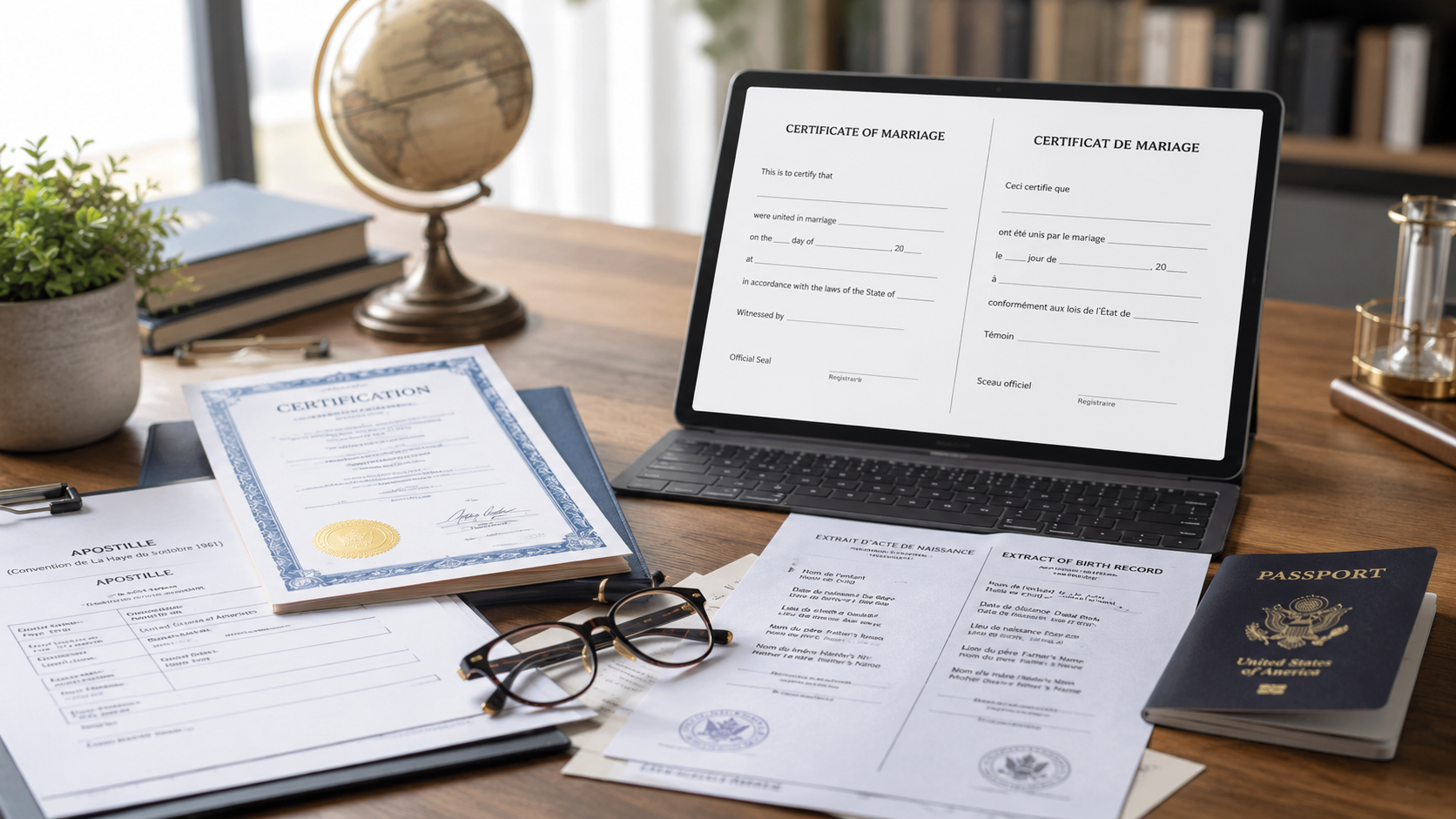
If your document is going to a country where another language is required, you may need a certified translation. Some clients assume the apostille alone is enough, but the receiving agency overseas may require the document to be translated as well.
This can apply to:
✅ Immigration documents
✅ Marriage documents
✅ School records
✅ Birth certificates
✅ Divorce decrees
✅ Business documents
✅ Court documents
The timing matters too. Depending on the receiving country or agency, the translation may need to be completed before submission, after the apostille is issued, or attached in a specific way. ANF Signings can help coordinate certified translations so you are not guessing through the process.
6. Federal documents were treated like state documents
Federal documents often follow a different process than state-issued or notarized documents.
For example, FBI background checks and certain federally issued documents may need to be submitted through the U.S. Department of State Office of Authentications. The U.S. Department of State notes that FBI and police records may be submitted to its Office of Authentications for an apostille when needed, and the destination country should be specified. (Link)
This is a common area where clients lose time because they submit an FBI background check to a state office when it may need federal handling instead.
7. The document was altered, damaged, or missing required signatures
Documents may also be rejected if they appear altered, incomplete, damaged, or improperly executed.
This can include:
✅ Missing signatures
✅ Missing pages
✅ White-out or unauthorized corrections
✅ Damaged seals
✅ Blurry copies
✅ Documents signed in the wrong place
✅ Documents without required certification
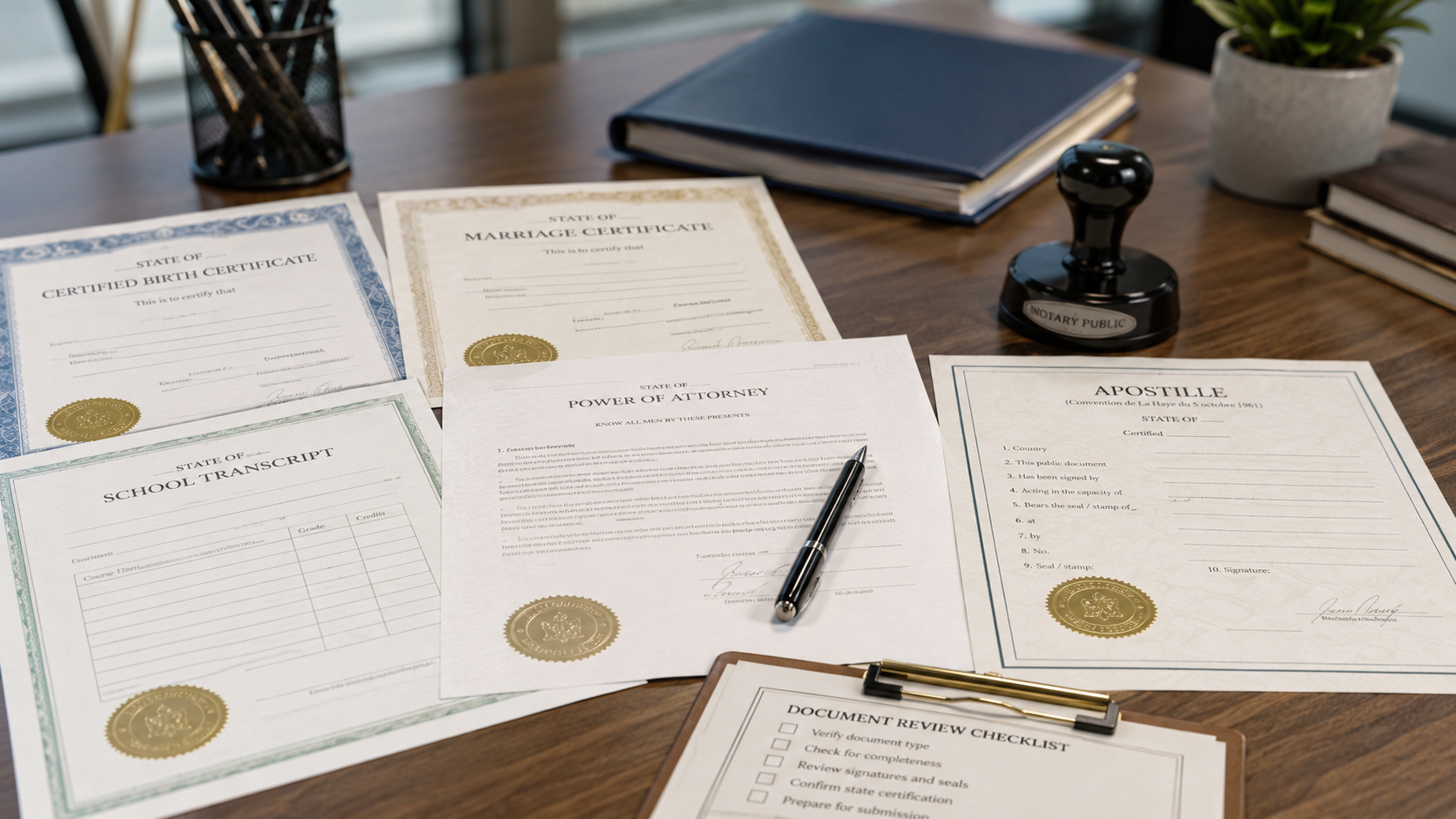
Before submitting a document for apostille processing, it should be reviewed carefully to make sure it is complete and ready for authentication.
8. The wrong process was used for the document type
Not every document follows the same process. A school transcript may need to be handled differently than a power of attorney. A notarized affidavit may follow a different process than a certified birth certificate. A business document may require a certificate of status or certified copy before it can be apostilled.
The U.S. Department of State also explains that authentication does not verify the content or validity of academic documents; it authenticates the signature and seal of the appropriate official. (Link)
This is why it is important to review the document type, issuing authority, destination country, and purpose before submitting the request.
How ANF Signings Helps Prevent Apostille Rejections
At ANF Signings, we help clients understand what is needed before documents are submitted.
We assist with:
✅ Apostille processing
✅ Certified translations
✅ Remote online notarization
✅ Mobile notarization
✅ FBI background check apostilles
✅ Business document apostilles
✅ Family document apostilles
✅ School record apostilles
✅ Shipping coordination
Our goal is to help you avoid unnecessary delays, rejected documents, and confusion.
Get Your Document Reviewed Before You Submit It
A rejected apostille request can cost you time, money, and peace of mind. Before you mail your documents or try to figure out the process alone, let our team review what you have and explain the correct next step.
Whether your documents are for marriage abroad, immigration, school, adoption, business, real estate, or international legal matters, ANF Signings Notary & Apostille Services is here to help.
Need help with an apostille?
Message us with the word
“REVIEW” for a document check.
📧support@anfsignings.com
📱540-242-3477
📍Fredericksburg, VA & Pembroke Pines, FL