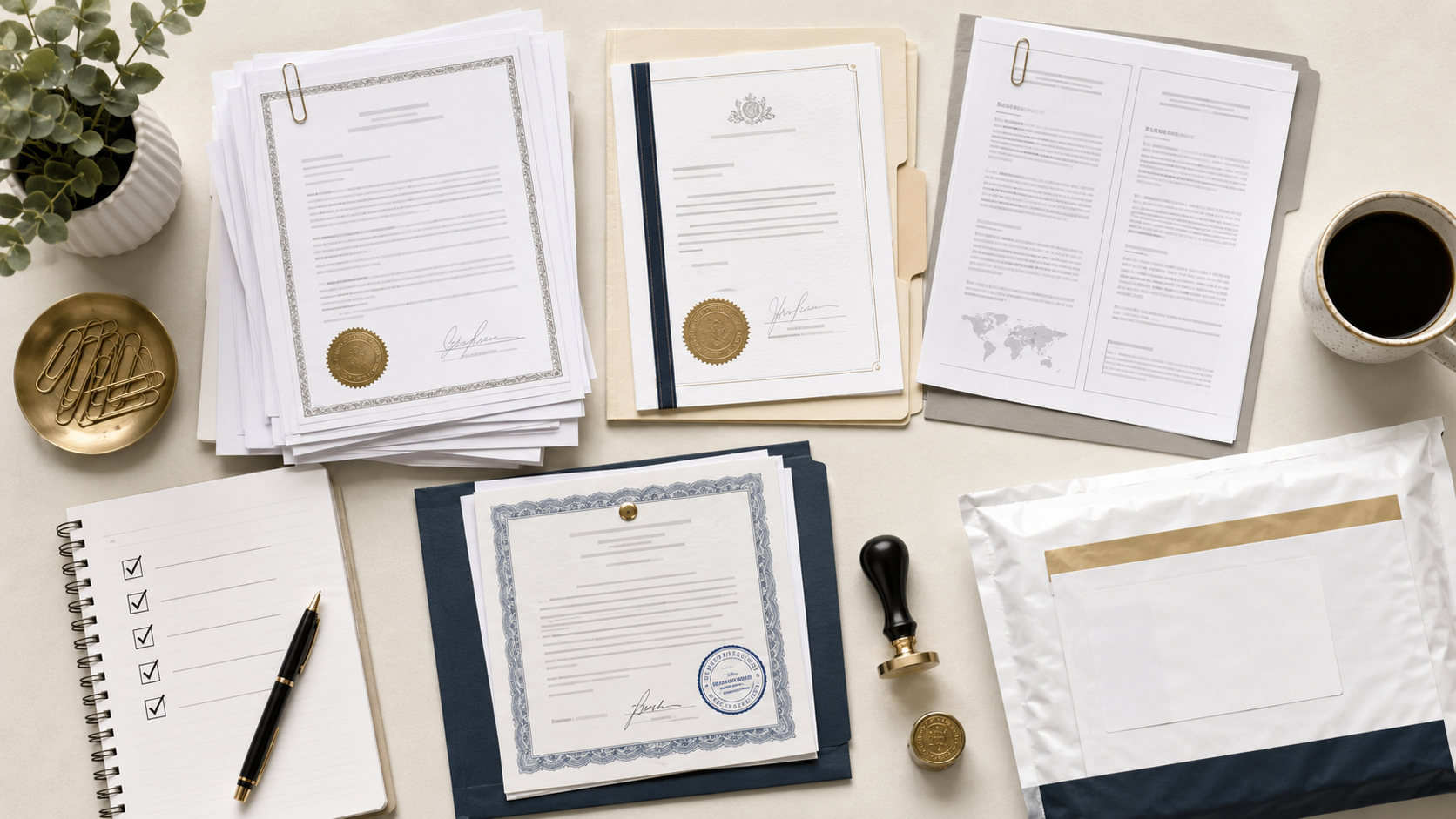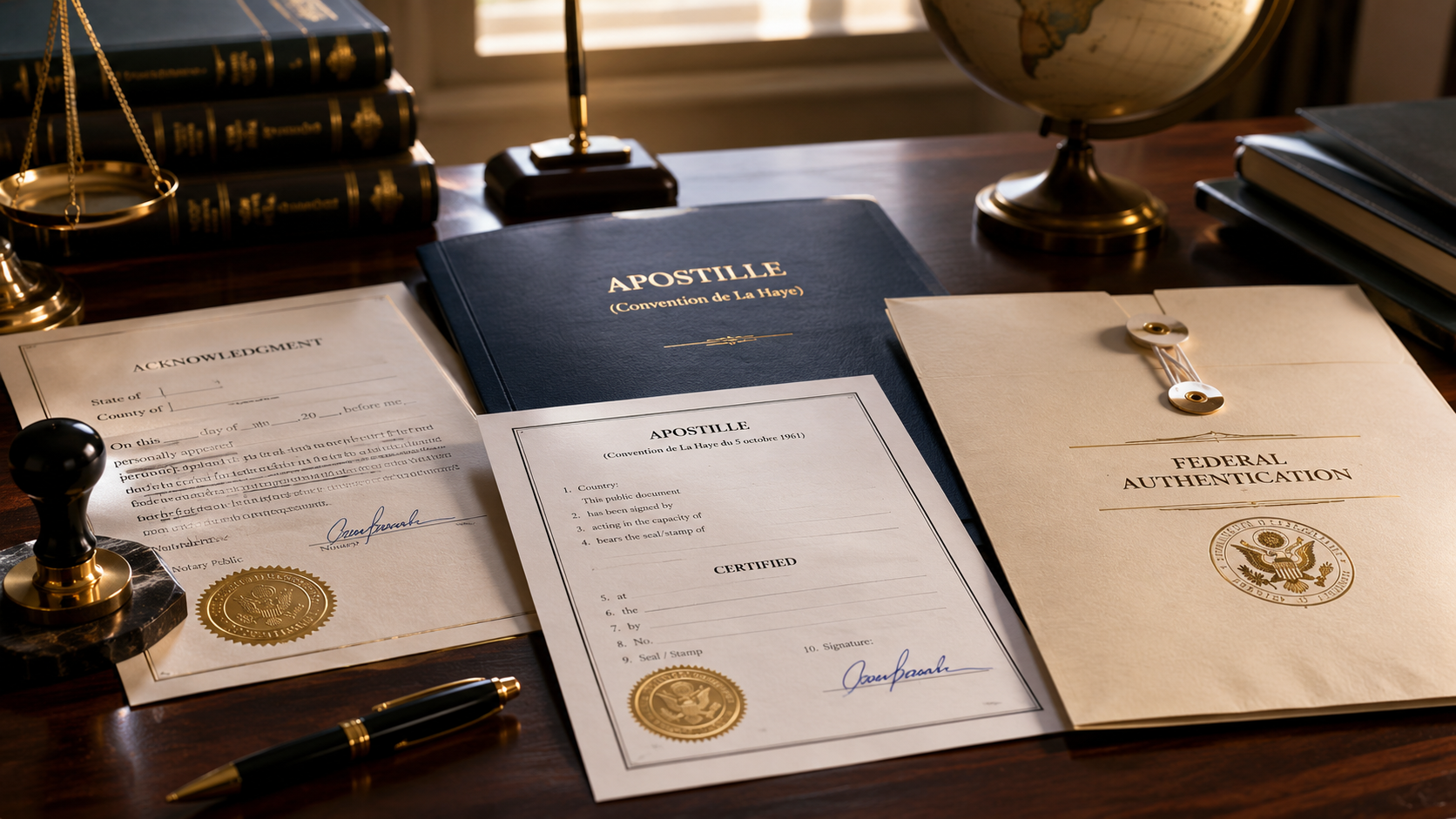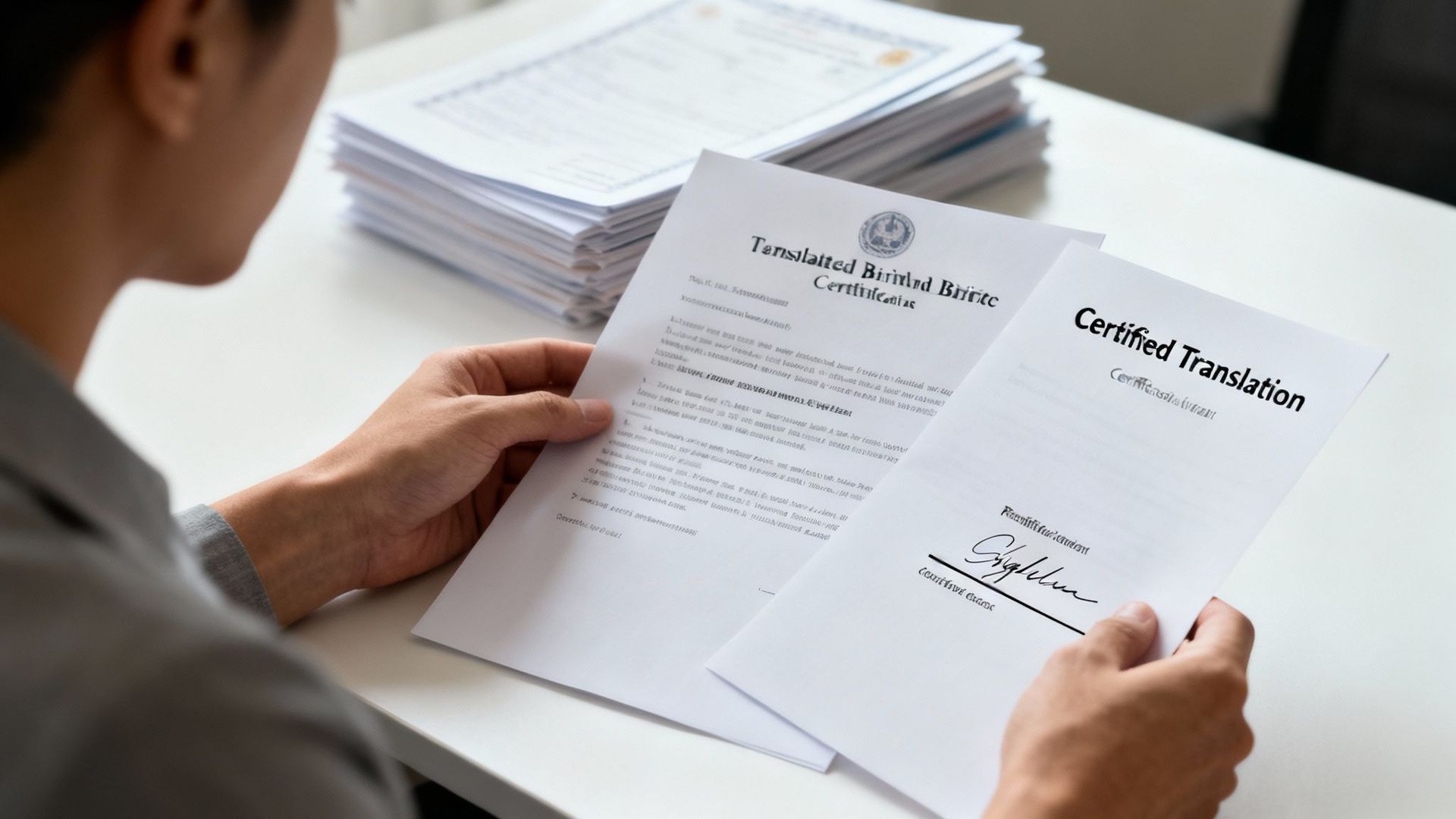
Common Mistakes That Cause Document Delays or Rejection
When you need a document notarized, translated, apostilled, authenticated, or submitted for international use, it can feel overwhelming trying to figure out what step comes first.
Many clients know they need their paperwork “handled,” but they are not always sure whether the document needs notarization, certified translation, apostille processing, federal authentication, or shipping coordination.
The problem is that one small mistake can cause major delays.
A document may be rejected because it was sent to the wrong agency, notarized incorrectly, translated at the wrong time, or submitted without the required certification. In some cases, the client may have to start the entire process over again.
At ANF Signings Notary & Apostille Services, we help clients avoid these issues by reviewing documents first and guiding the correct next step.
From notarization to translation to apostille — ANF Signings helps handle the full document process from start to finish.

1. Submitting the Wrong Version of the Document
One of the most common mistakes is submitting the wrong version of a document.
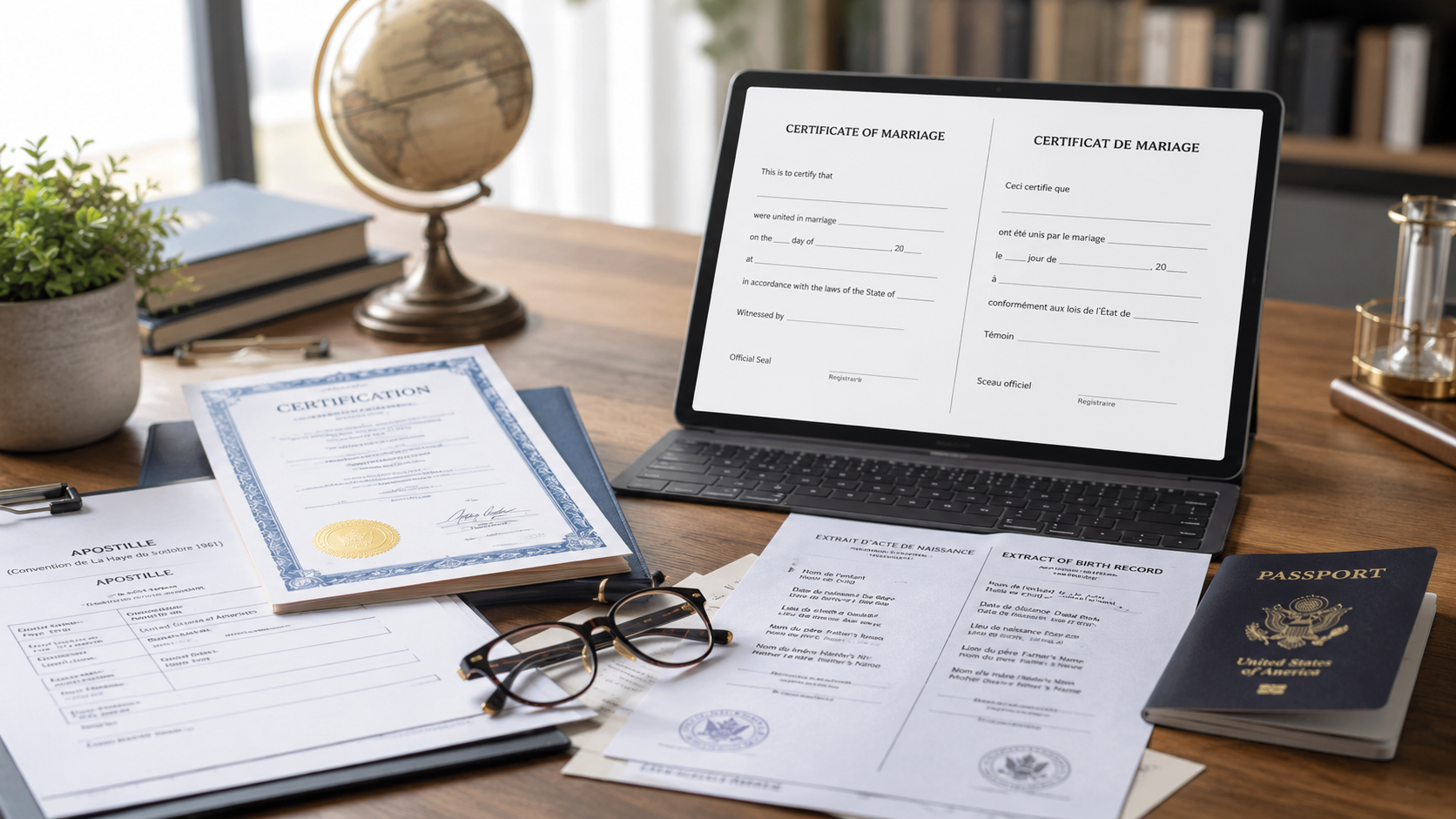
For example, some documents must be original or certified copies. Others may need to be notarized before they can be processed. A photocopy, unofficial copy, scanned copy, or outdated version may not be accepted.
This can happen with documents such as:
- Birth certificates
- Marriage certificates
- Divorce decrees
- School records
- Diplomas
- Powers of attorney
- Business documents
- FBI background checks
Before you submit anything, it is important to confirm that you are using the correct version of the document.
2. Missing a Required Notarization
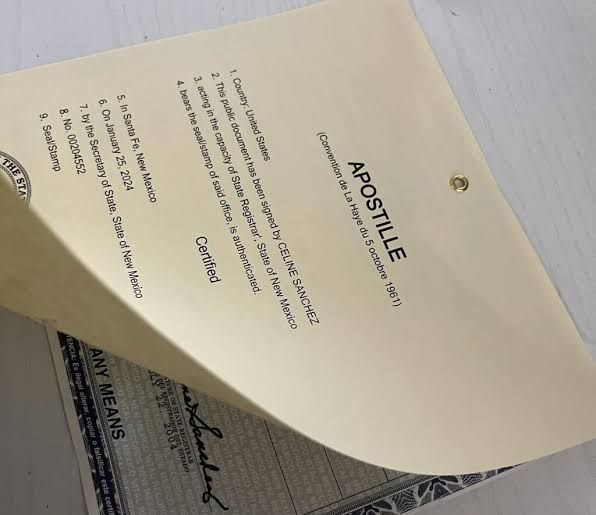
Some documents must be notarized before they can be apostilled, authenticated, or accepted by another agency.
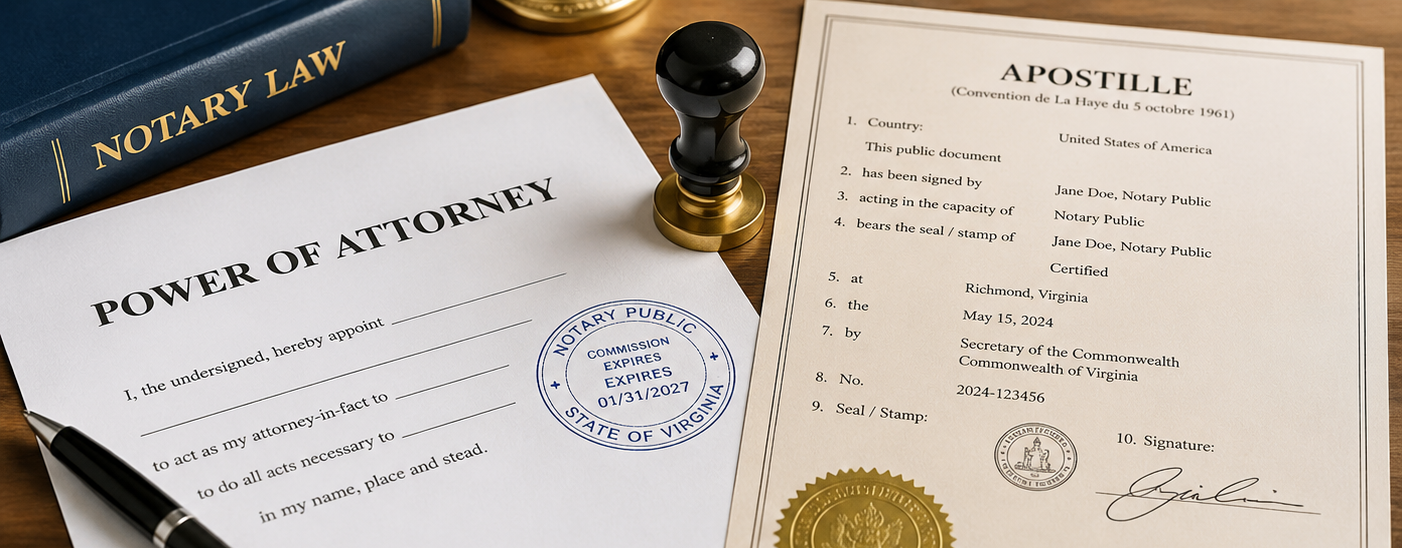
A common mistake is assuming that every document can be submitted as-is. However, certain documents may require a notarized signature, sworn statement, acknowledgment, jurat, or properly completed notarial certificate.
If notarization is missing when required, the document may be delayed or rejected.
3. Incorrect Notary Wording or Missing Notary Information
Even if a document is notarized, it can still be rejected if the notarization is incomplete or incorrect.
Common notary issues include:
- Missing notary seal
- Missing notary signature
- Missing date
- Missing venue
- Incorrect notarial wording
- Expired notary commission
- Name mismatch between the signer and document
- Blank spaces left incomplete
- The wrong notarial act was used
These small details matter. If the notarial certificate does not meet the required standard, the document may not move forward.
4. Sending the Document to the Wrong Agency
Not every document goes to the same office.
Some documents are processed at the state level, while others may require federal authentication. Sending a document to the wrong agency can cause delays, extra costs, and unnecessary frustration.
For example, certain documents may need state apostille processing, while FBI background checks and other federal documents may require federal authentication.
This is why it is important to confirm whether your document needs state processing, federal processing, embassy legalization, or another step before mailing it out.
5. Not Confirming the Destination Country
The destination country can affect the entire document process.
Different countries may have different requirements for apostilles, authentications, translations, notarizations, or additional embassy steps.
A document being used in one country may not require the same process as a document being used in another country.
Before starting, you should confirm:
- Where the document will be used
- Who is requesting the document
- Whether the country accepts apostilles
- Whether certified translation is required
- Whether the receiving agency has special instructions
Skipping this step can lead to rejection or having to redo the process.
6. Completing the Translation at the Wrong Time
Certified translation is another area where clients often get confused.
Some documents need to be translated before they are submitted. Others may need to be apostilled first and then translated. In some cases, the translation itself may need certification or notarization.
Getting the order wrong can mean:
- Paying for translation twice
- Submitting the wrong version
- Missing a deadline
- Having the document rejected
- Restarting the process
Before paying for translation, make sure you know whether it should happen before or after apostille or authentication processing.
7. Forgetting About Federal Authentication
Many clients assume every document needs a state apostille, but that is not always the case.
FBI background checks and certain federal documents often require federal document authentication instead of state-level processing.
This is especially important for clients using documents for:
- Immigration
- Visa applications
- Residency
- Overseas employment
- Teaching abroad
- Adoption
- Licensing
- International business
Submitting federal documents to the wrong place can slow down the process and create unnecessary costs.
8. Waiting Until the Last Minute
Document processing takes time, especially when multiple steps are involved.
If your document needs notarization, translation, apostille processing, federal authentication, embassy submission, or shipping, waiting until the deadline can create stress and limit your options.
Last-minute requests can become more complicated if:
- A document needs correction
- A notarization is incomplete
- A certified copy is required
- Translation is needed
- The wrong agency was selected
- Shipping delays occur
The best time to review your document is before there is a deadline emergency.
9. Assuming One Step Is Enough
Another common mistake is assuming that one service completes the entire process.
For example, a notarized document may still need an apostille. An apostilled document may still need certified translation. An FBI background check may still need federal authentication. A translated document may still need additional certification.
One document can require multiple steps before it is accepted.
That is why it is so important to understand the full process before you begin.
10. Not Getting the Document Reviewed First
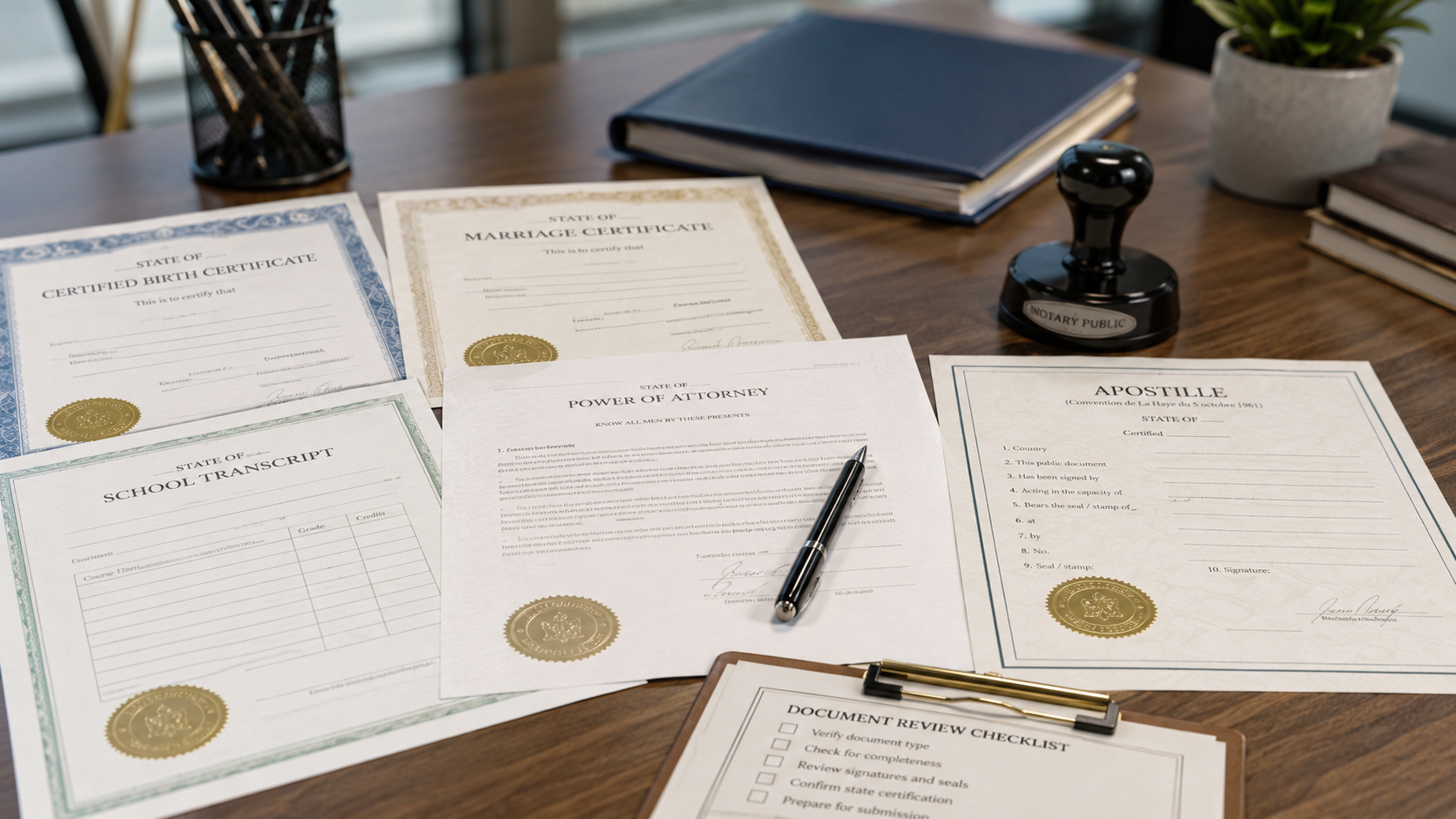
The easiest way to avoid delays, rejection, and unnecessary costs is to have your document reviewed before you submit it.
A document review can help determine whether your paperwork needs:
- Notarization
- Certified translation
- Apostille processing
- Federal authentication
- Embassy legalization
- Shipping coordination
- A certified copy
- A correction before submission
At ANF Signings, we help clients understand what their document needs before they waste time or money submitting it incorrectly.
Let ANF Signings Help You Avoid Delays
At ANF Signings, we help clients understand what their document needs before they waste time or money submitting it incorrectly.
Important documents should not be a guessing game.
Whether your paperwork is for travel, immigration, school, employment, marriage abroad, business, legal matters, or international use, ANF Signings can help guide you through the correct process.
We assist with:
- Apostille services
- Remote Online Notarization
- Mobile notarization
- Certified translations
- FBI background check support
- Federal document authentication
- Document review
- Shipping coordination
From notarization to translation to apostille — ANF Signings handles the full document process from start to finish.
Before you submit, mail, or upload your document, let us review it first.
Fill-up the form for a free document check: CLICK HERE
ANF Signings Notary & Apostille Services
📞 540-242-3477
🌐
www.anfsignings.com