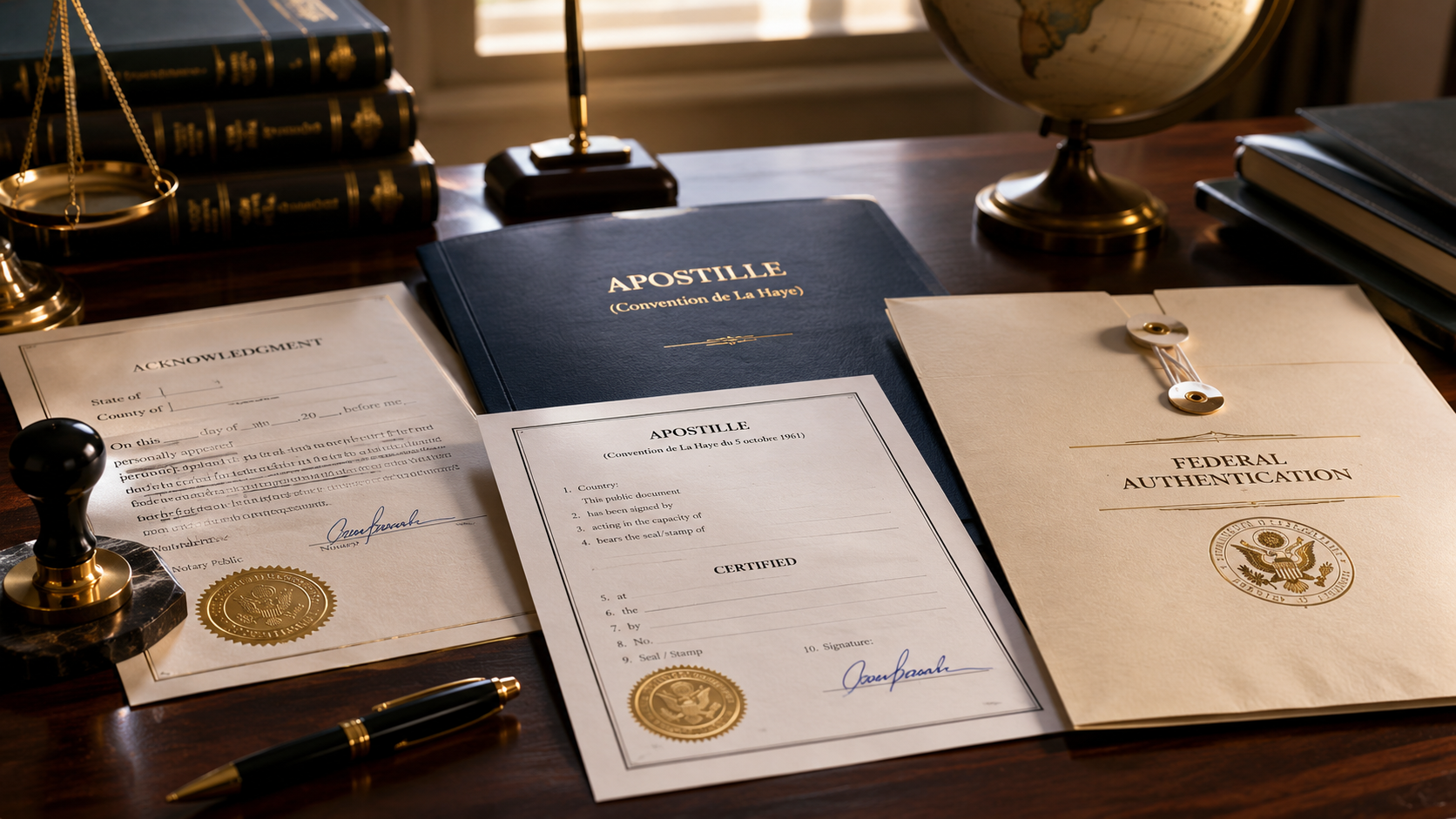
Why Certified Translation May Also Be Required
When preparing documents for international, legal, immigration, school, business, or government use, many clients focus on one question:
“Do I need an apostille?”
But in many cases, an apostille is only one part of the process.
Your document may also need a certified translation before it can be accepted by the receiving agency, country, school, employer, court, or government office.
At ANF Signings Notary & Apostille Services, we help clients understand whether their documents need notarization, apostille processing, federal authentication, certified translation, or additional steps before submission.
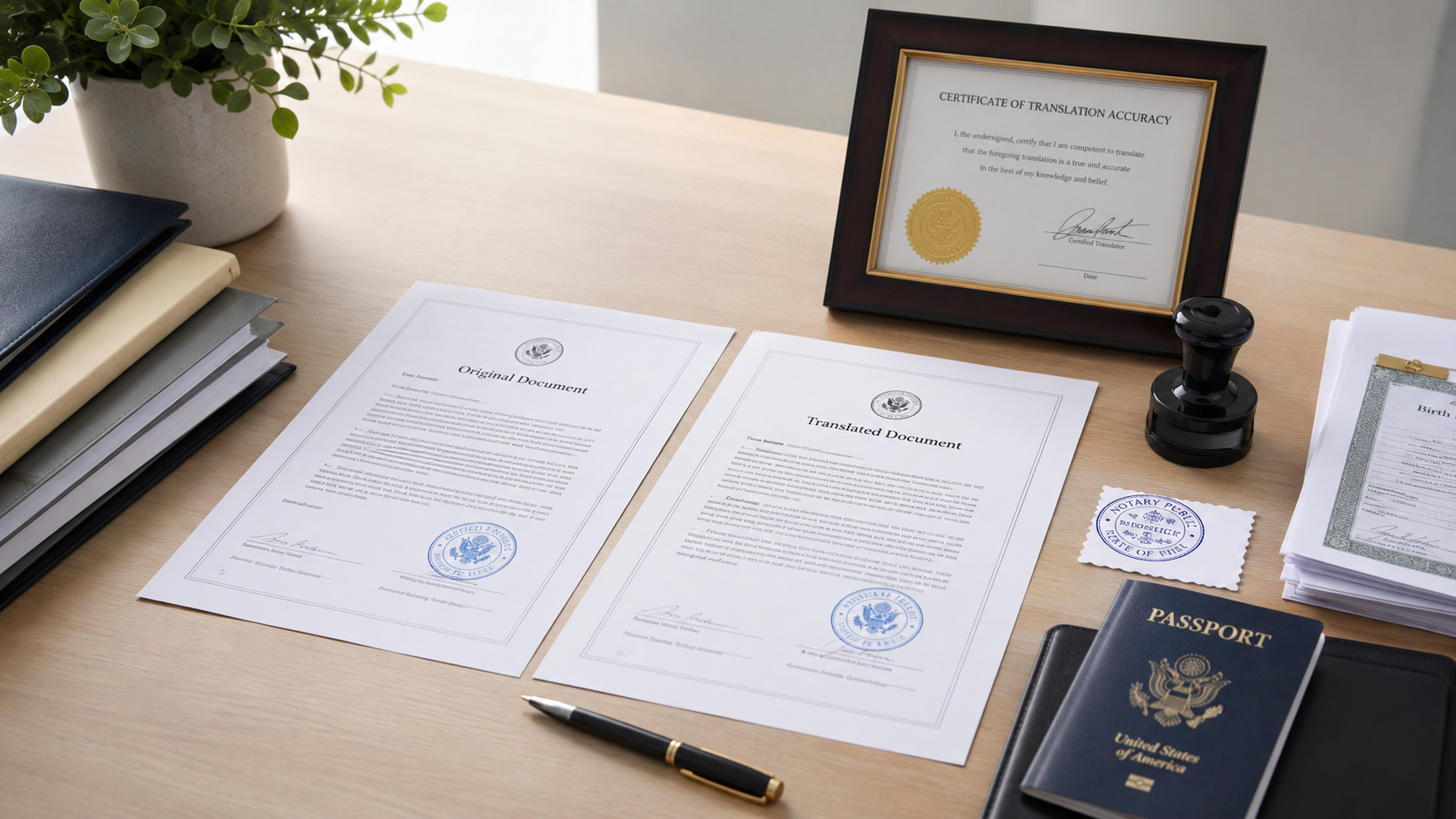
What Is a Certified Translation?
A certified translation is a translated document that includes a signed statement from the translator or translation provider confirming that the translation is complete and accurate to the best of their knowledge.
Certified translations are commonly used when documents must be submitted to an official agency, institution, attorney, school, immigration office, foreign government, or business entity.
A certified translation may be needed when the receiving party cannot accept the original document in its current language.
Why an Apostille Alone May Not Be Enough
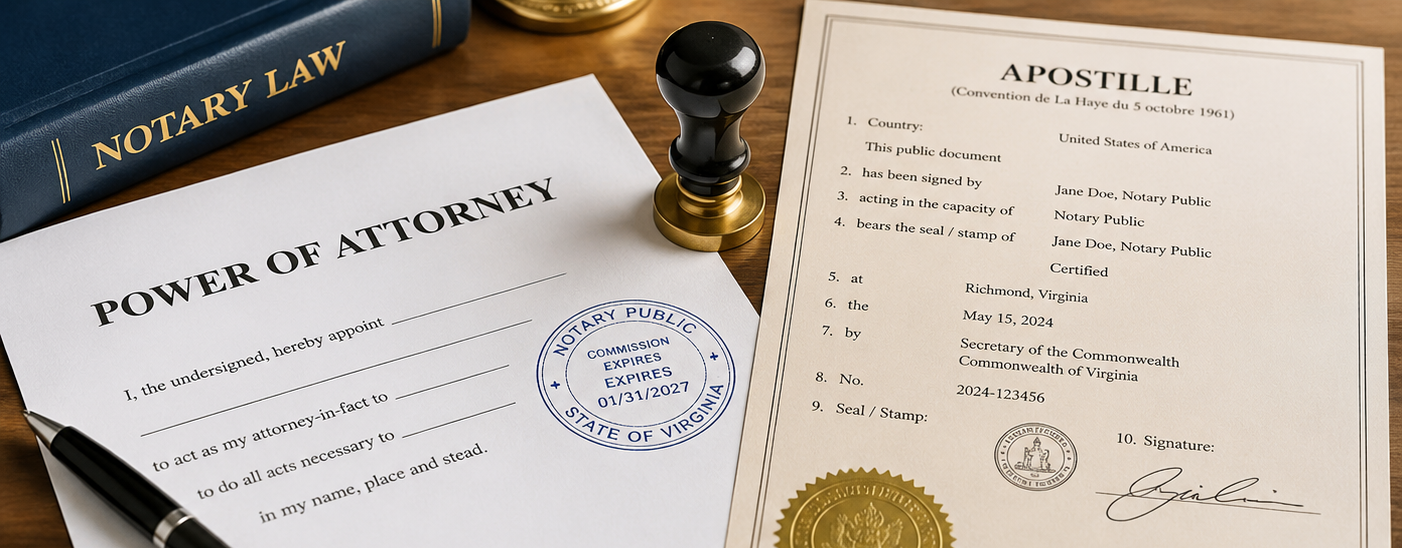
An apostille helps authenticate the signature, seal, or authority connected to a document for international use. However, an apostille does not translate the document.
If the document is written in English but will be submitted to a country where another language is required, the receiving agency may also request a certified translation.
Likewise, if a document is written in another language and must be submitted to a U.S. agency, court, attorney, school, or immigration office, a certified English translation may be required.
That means the document may need both:
- Apostille or authentication
- Certified translation
The exact order depends on the document type, destination country, and receiving agency.
Common Documents That May Need Certified Translation
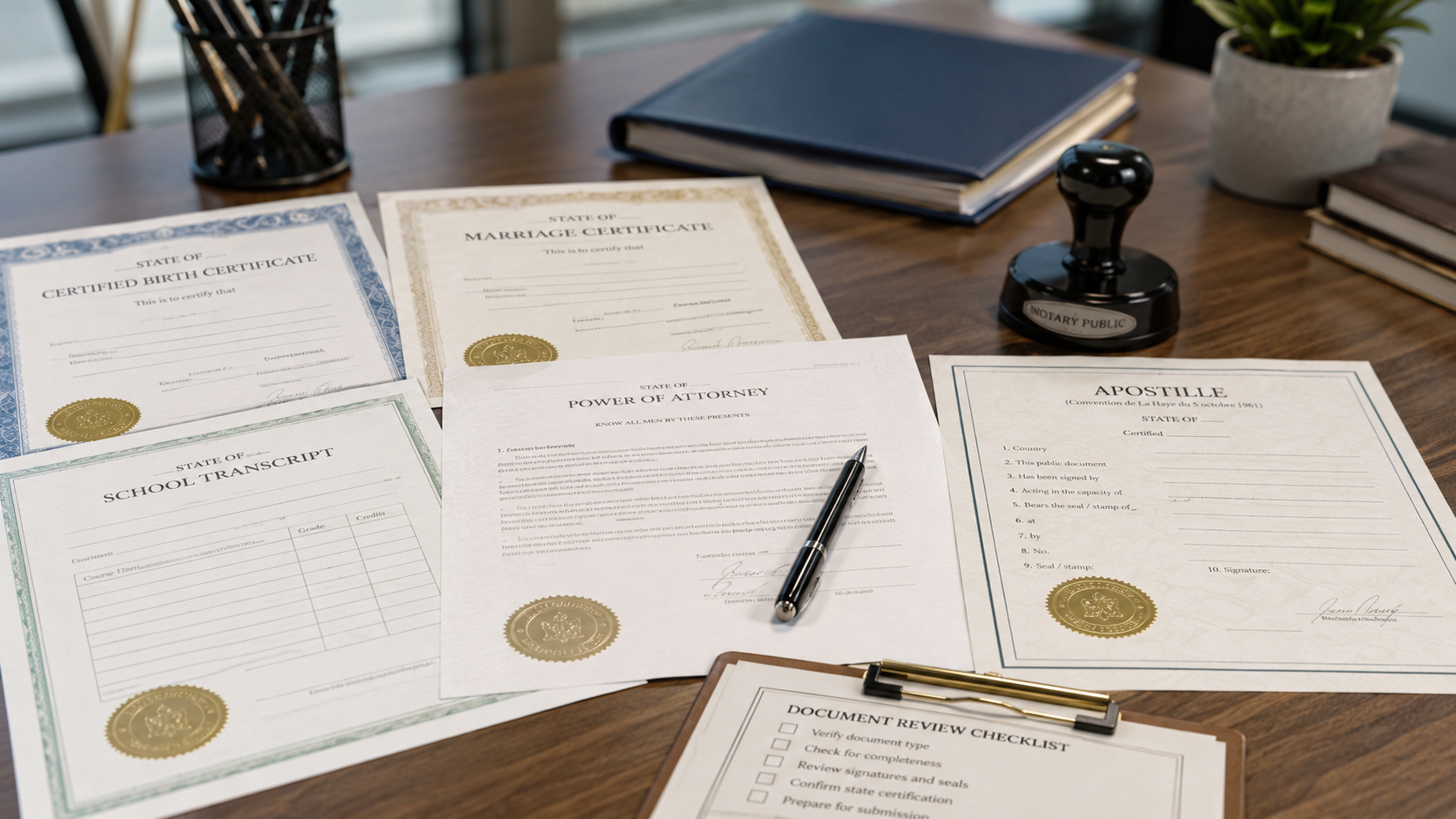
Certified translations are commonly requested for:
- Birth certificates
- Marriage certificates
- Divorce decrees
- Death certificates
- Adoption documents
- Immigration documents
- School records and diplomas
- Transcripts
- Power of attorney documents
- Business documents
- Court documents
- FBI background checks
- Medical or licensing documents
These documents are often used for immigration, dual citizenship, marriage abroad, study abroad, employment, adoption, legal matters, business expansion, or international relocation.
Translation Before or After the Apostille?
One of the most common questions clients ask is:
“Do I translate the document before or after the apostille?”
The answer depends on the receiving agency’s requirements.
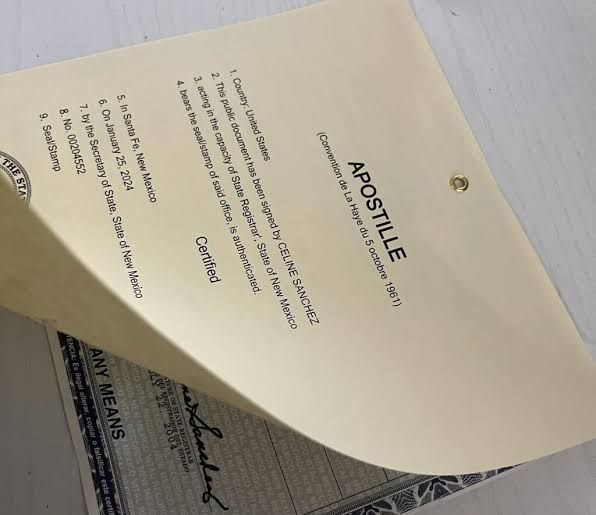
In some cases, the original document is apostilled first, and then the full apostilled document package is translated afterward.
In other cases, the translation may need to be completed first, certified, notarized, and then submitted for apostille or authentication.
Sometimes both the original document and the apostille certificate must be translated together.
Because the order can vary, it is important to review the document before starting the process.
Why the Destination Country Matters
The country where your document will be used can affect whether a translation is required.
Some countries may accept documents in English. Others may require the document to be translated into the official language of that country.
The destination country may also determine whether:
- The apostille certificate must be translated
- The certified translation must be notarized
- The translation should be attached before processing
- The translation should be completed after apostille processing
- The receiving agency has its own formatting rules
This is why there is no one-size-fits-all answer.
The Receiving Agency Matters Too
Even within the same country, different agencies may have different requirements.
For example, a school may ask for a certified translation of academic records. An immigration office may require certified translations of birth or marriage certificates. A court may require a specific format. A foreign business partner may request both the apostille and translation together.
Before paying for a translation or apostille, it is important to confirm what the receiving agency actually requires.
Common Mistakes That Cause Delays
Certified translation issues can cause delays when:
- The document was translated too early
- The apostille certificate also needed translation
- The translation was not certified
- The translation needed notarization but was not notarized
- The receiving agency required a specific format
- The original document was not properly certified first
- The document was apostilled before confirming translation requirements
- The wrong language or document version was translated
These mistakes can lead to rejection, extra fees, missed deadlines, or having to repeat the process.
Example: Marriage Abroad
If you are getting married outside of the United States, the foreign country may require documents such as:
- Birth certificate
- Single status affidavit
- Divorce decree
- Passport copy
- Power of attorney
- Certified translation
Depending on the country, you may need the document apostilled first and translated afterward. In other situations, the translation may need to be completed and certified before submission.
This is why couples should start early and confirm the process before booking travel or submitting documents abroad.
Example: Immigration Documents
Immigration-related documents often require careful handling because the receiving agency may require a complete certified translation.
This may apply to:
- Birth certificates
- Marriage certificates
- Divorce decrees
- Adoption documents
- Court records
- Identification documents
- Supporting family documents
If the translation is incomplete or missing required certification language, the document may not be accepted.
Example: School Records and Diplomas
Students and professionals using academic records abroad may also need certified translations.
This can apply to:
- Diplomas
- Transcripts
- Enrollment letters
- Degree verification letters
- Training certificates
- Professional credentials
Some schools or foreign agencies may require the academic document to be apostilled first, then translated. Others may request the translation along with the document package.
Example: Business Documents
Businesses expanding internationally may need certified translations for:
- Articles of organization
- Certificates of good standing
- Contracts
- Corporate resolutions
- Business licenses
- Authorization letters
- Powers of attorney
If business documents are being submitted to a foreign government, bank, attorney, vendor, or corporate partner, translation requirements should be confirmed before processing begins.
How ANF Signings Can Help
At ANF Signings Notary & Apostille Services, we help clients understand whether certified translation is part of the document process.
We assist with:
- Certified translations
- Apostille processing
- Federal authentication support
- Remote Online Notarization
- Mobile Notarization
- FBI background check support
- Document review
- Shipping and courier coordination
Our goal is to help clients avoid confusion, delays, and rejected documents by reviewing the document first and explaining the correct next step.
Final Takeaway
Certified translation may be required when your document is going to an agency, country, school, court, immigration office, or business that needs the document in another language.
An apostille does not replace translation, and translation does not replace apostille processing. In many cases, both may be needed.
Before you submit your document, do not guess.
Let ANF Signings review your document first and help you understand whether it needs notarization, certified translation, apostille processing, federal authentication, or additional support.
Fill-up the form for a free document check: CLICK HERE
📞 540-242-3477
📧support@anfsignings.com