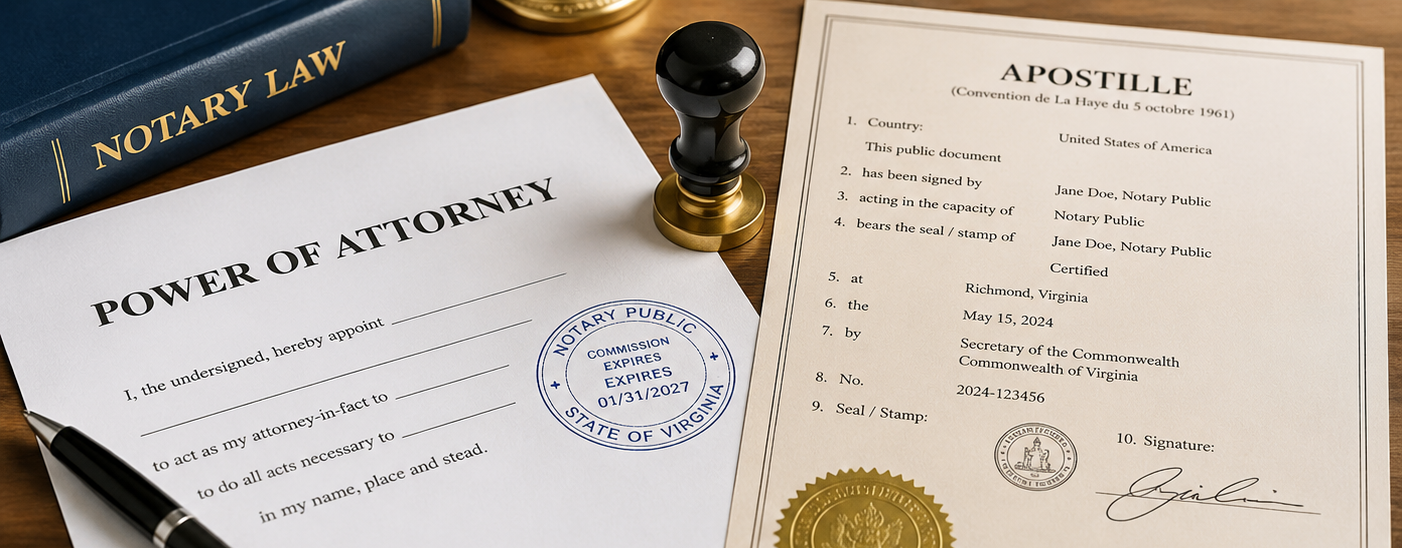
Does My Power of Attorney Need an Apostille? Everything You Should Know Before Using It Overseas
If you need to use a Power of Attorney (POA) outside of the United States, you may be wondering whether it needs to be notarized, apostilled, translated, or authenticated before it can be accepted.
The answer depends on where the document will be used, how it was prepared, and the requirements of the receiving country or agency.
Many people assume that once a Power of Attorney is signed and notarized, it is ready to use internationally. Unfortunately, that is not always the case.
At ANF Signings Notary & Apostille Services, we help clients understand the document process before they submit paperwork incorrectly, experience delays, or pay unnecessary fees.
From notarization to translation to apostille — ANF Signings handles the full document process from start to finish.
What Is a Power of Attorney?
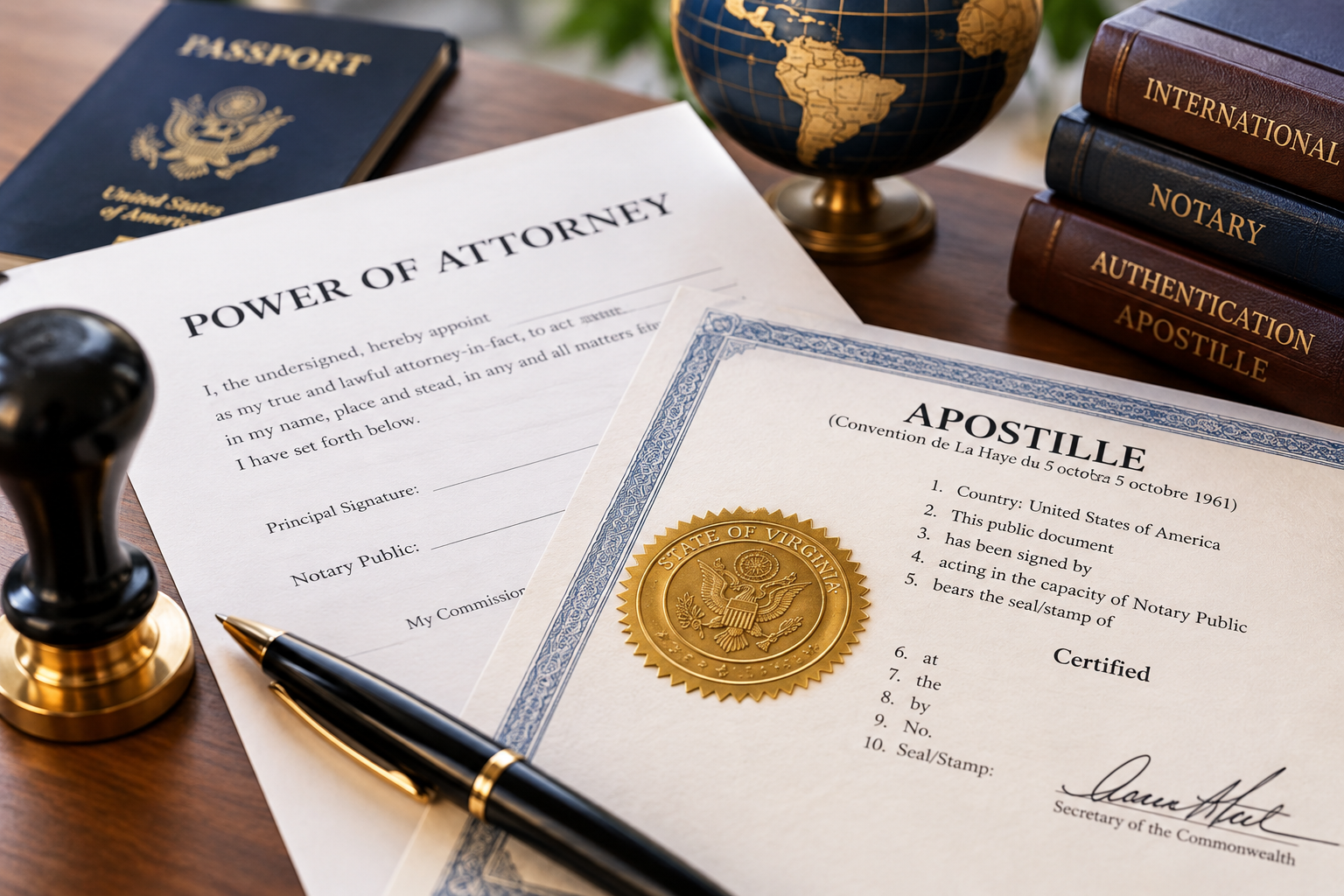
A Power of Attorney is a legal document that gives another person the authority to act on your behalf in specific situations.
Powers of Attorney are commonly used for:
- Real estate transactions: Allowing someone to buy, sell, or manage property overseas.
- Banking and financial matters: Authorizing someone to manage financial transactions.
- Business matters: Giving someone authority to sign documents or manage business affairs.
- Family matters: Allowing a trusted person to handle certain responsibilities.
- Legal representation: Authorizing someone to act on your behalf in specified legal matters.
- Inheritance and estate matters: Assisting with property or estate-related transactions abroad.
When a Power of Attorney needs to be recognized internationally, additional certification may be required.
Does a Power of Attorney Need an Apostille?
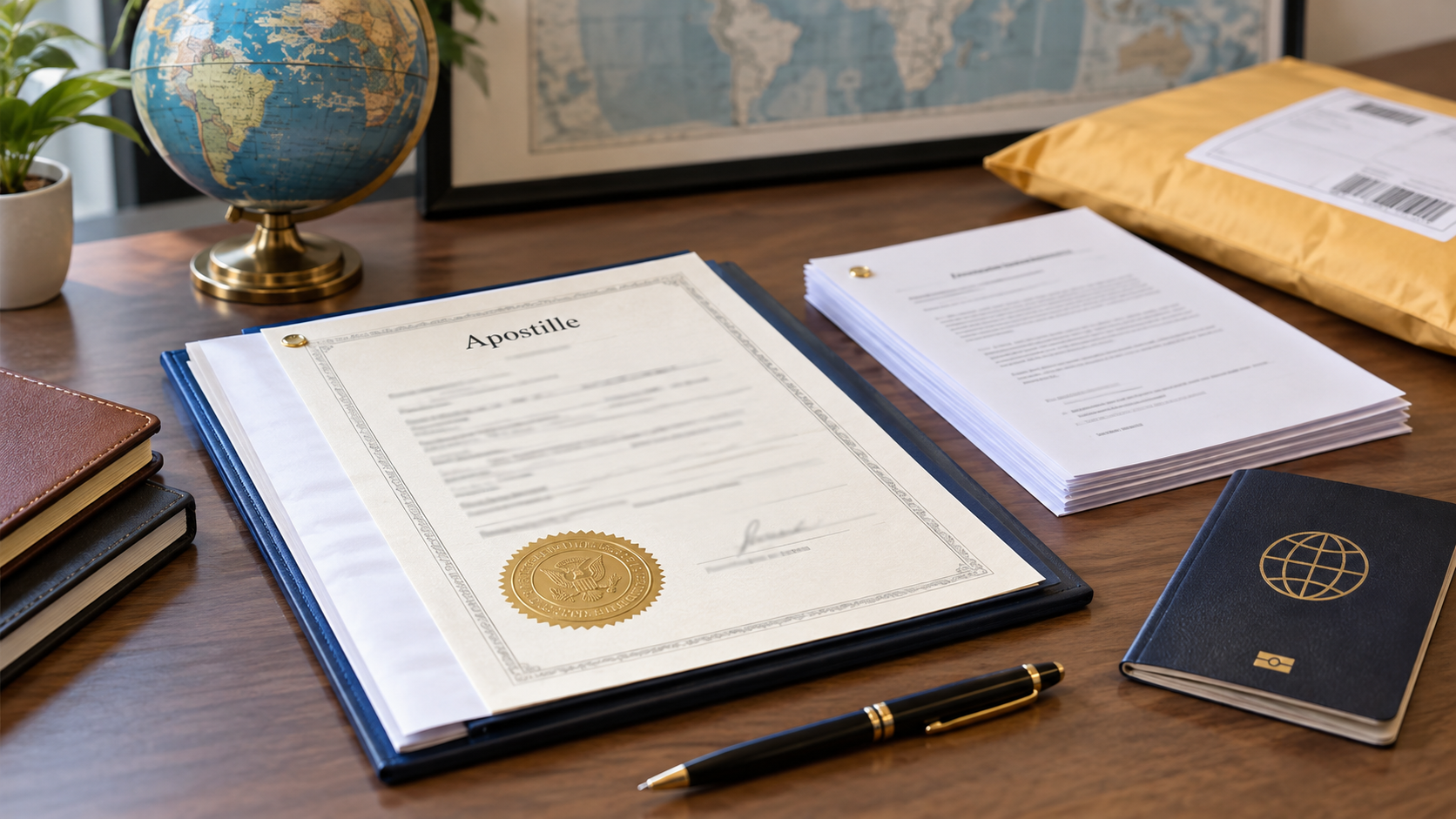
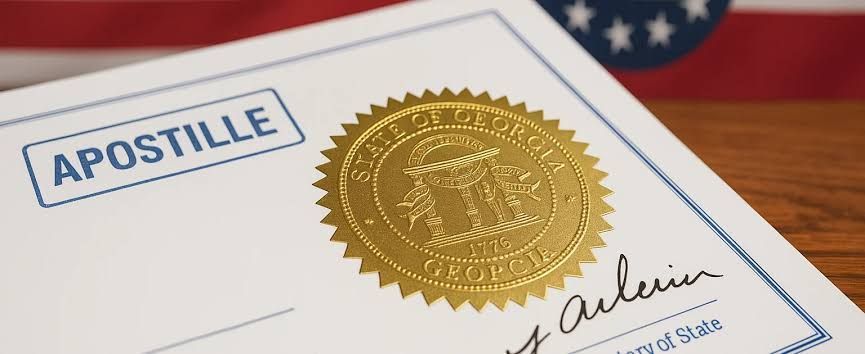
Yes, a Power of Attorney may need an apostille if it will be used in another country that participates in the Hague Apostille Convention.
However, not every international Power of Attorney automatically requires one.
The receiving agency determines which documents it will accept and whether an apostille, authentication certificate, certified translation, or other supporting documentation is needed.
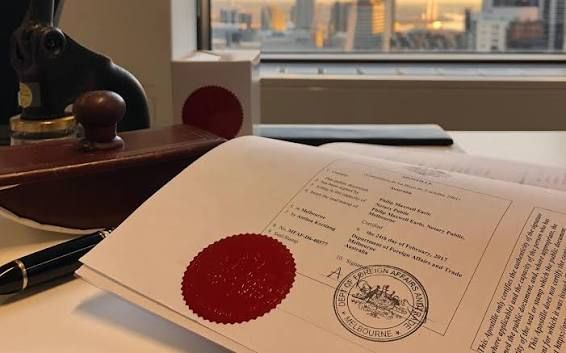
An apostille verifies the authenticity of a public official's signature, seal, or capacity associated with the document. It does not verify the contents of the Power of Attorney or guarantee its legal acceptance overseas.
Before beginning, confirm the requirements with the attorney, bank, government office, or other organization requesting the document.
Does a Power of Attorney Need to Be Notarized First?
In many cases, yes.
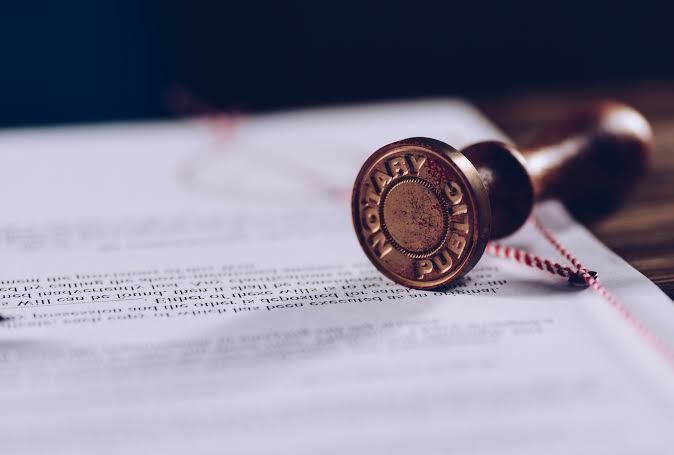
A privately signed Power of Attorney often needs proper notarization before it can receive a state apostille.
However, notarization requirements vary depending on the document and the jurisdiction in which it will be used.
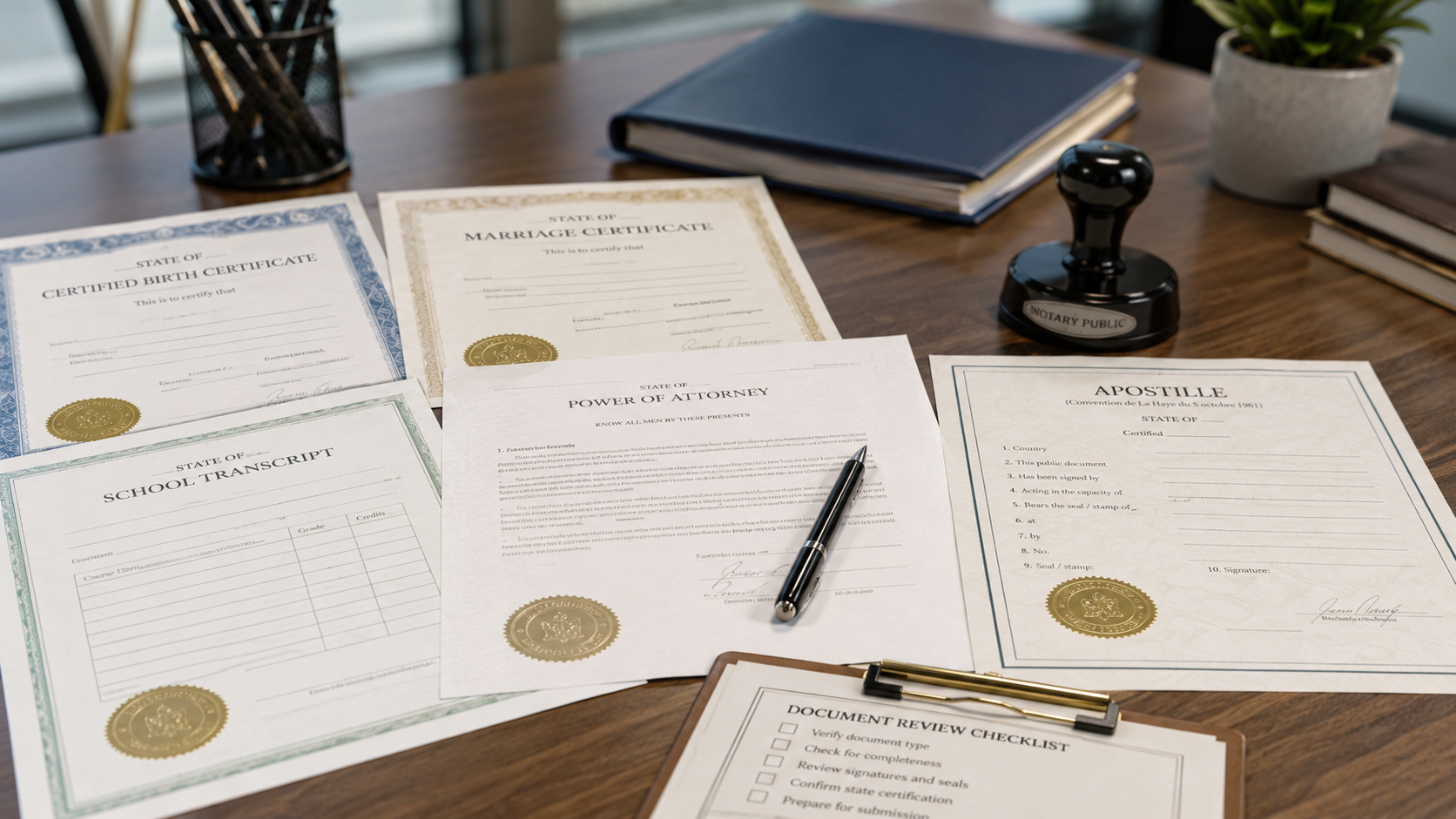
For a notarized POA, the authentication office may review details such as:
- The notary's signature and seal
- The date of notarization
- The notarial certificate wording
- The notary's commission information
- The state where the notarization was performed
Missing or incorrect information can result in the document being returned for correction.
That is why having your Power of Attorney reviewed before submission can help prevent unnecessary processing delays.
State Apostille vs. Federal Authentication: Which Does My POA Need?
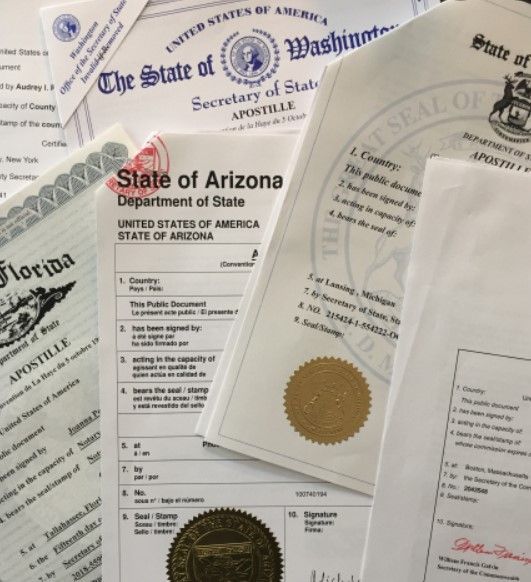
Most Powers of Attorney notarized by a state-commissioned U.S. notary follow a state-level apostille or authentication process.
For example:
If your Power of Attorney was notarized by a Virginia notary, it would generally be submitted through Virginia's authentication office.
If it was notarized by a Florida notary, it would generally be processed through Florida's appropriate state authority.
The destination country also matters.
Hague Convention countries: An apostille is generally the appropriate form of certification when the receiving authority requires authentication.
Non-Hague countries: A different authentication process may be needed, potentially including additional consular legalization.
Federal documents, such as FBI background checks, follow a different process through the U.S. Department of State.
Sending your Power of Attorney to the wrong agency can create unnecessary delays.
Can a Remote Online Notarized Power of Attorney Be Apostilled?
Remote Online Notarization (RON) can be a convenient option for eligible documents, especially when the signer is traveling, living overseas, or unable to visit a notary in person.
However, not every state apostille office or international receiving agency accepts electronically notarized documents for authentication.
For example, Virginia's Secretary of the Commonwealth currently states that its office cannot authenticate electronic notarizations with an apostille or Great Seal authentication.
This is especially important if your Power of Attorney is intended for international use.
Before scheduling Remote Online Notarization, confirm that both the appropriate authentication office and the receiving authority will accept the document.
ANF Signings can help review the requirements and determine which notarization option may be appropriate.
Does My Power of Attorney Need Certified Translation?
Possibly.
If your Power of Attorney will be used in a country where English is not the primary language, the receiving agency may require a certified translation.
Some agencies may require the document to be apostilled first and translated afterward. Others may have different instructions.
The correct process may depend on:
- The destination country
- The receiving agency
- The document's original language
- Whether a certified translation is required
- Whether additional certification of the translation is necessary
Completing translation in the wrong order can result in additional fees or having to repeat part of the process.
Before translating your Power of Attorney, confirm the required order of processing.
Common Mistakes That Can Delay Your POA Apostille
Even small mistakes can create significant delays when documents are being prepared for international use.
Some of the most common include:
- Incorrect notarization: Missing signatures, seals, dates, or required notarial wording.
- Submitting to the wrong state: Sending the document to a state that cannot authenticate the notary's signature.
- Using the wrong document format: The receiving authority may require specific wording, witnesses, or an original document.
- Not confirming the destination country: Apostille and authentication requirements depend on where the POA will be used.
- Translating at the wrong stage: The translation may need to be completed before or after authentication.
- Assuming online notarization is accepted: Electronic documents may not qualify for the required apostille process.
- Waiting until the deadline: Corrections, agency processing, and shipping can add time.
These are reasons to review your Power of Attorney before submitting it for authentication.
How Long Does It Take to Apostille a Power of Attorney?
The timeline depends on the state, the submission method, and whether the document is correctly prepared.
Processing time may be affected by:
- State agency turnaround times
- Whether notarization must be corrected
- Submission by mail, courier, or appointment
- Certified translation requirements
- Return shipping
- Additional destination-country requirements
If your Power of Attorney is needed for an upcoming property closing, legal proceeding, or international deadline, starting early is important.
Having the document reviewed beforehand can help reduce the risk of avoidable delays, although agency processing times cannot be guaranteed.
How ANF Signings Can Help With Your Power of Attorney
At ANF Signings Notary & Apostille Services, we understand that preparing documents for international use can feel confusing, especially when you are unsure which step comes first.
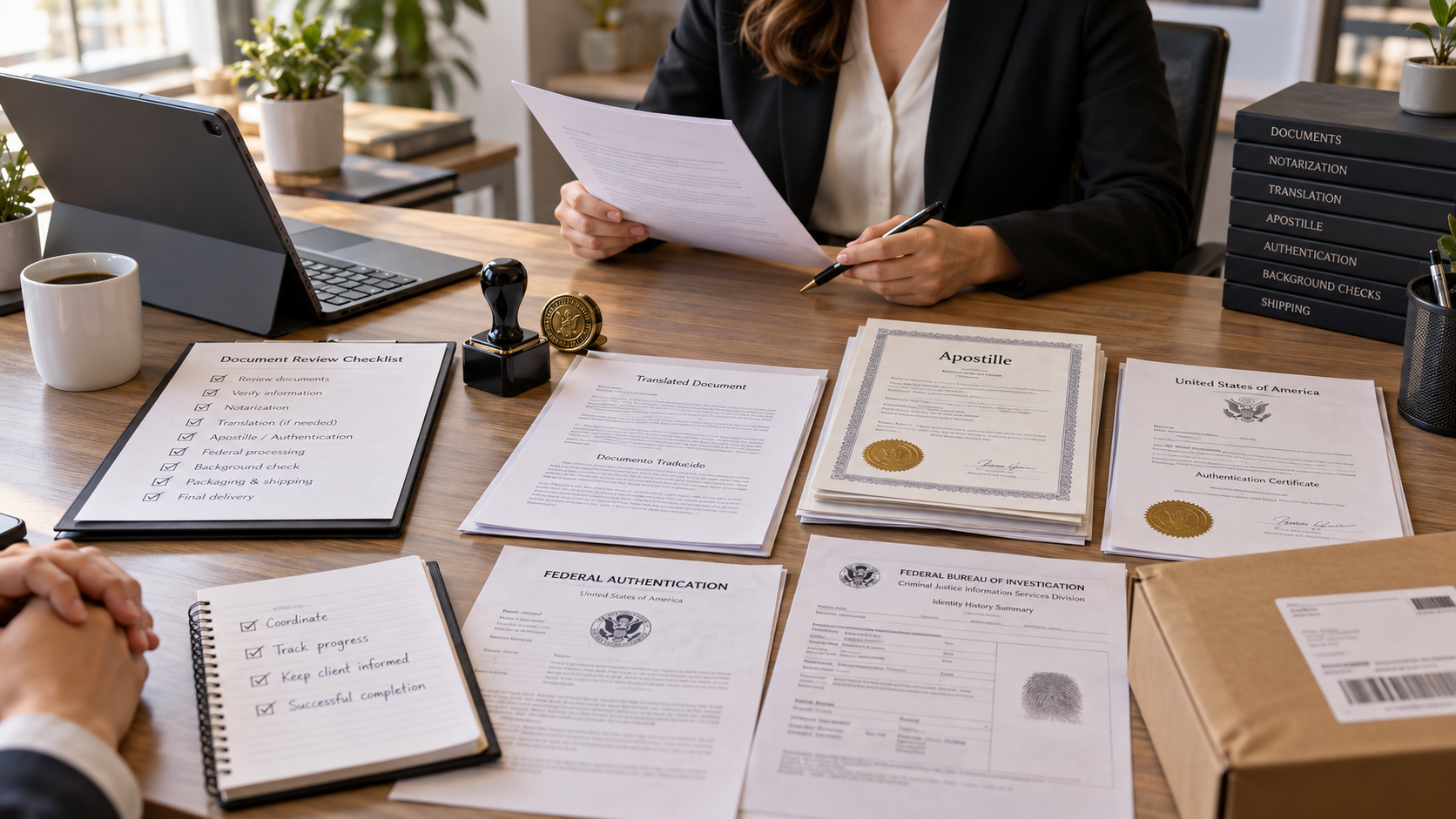
We help clients navigate the process with services that include:
✅ Free Document Review
✅ Power of Attorney Notarization Support
✅ Apostille Processing
✅ Remote Online Notarization for Eligible Documents
✅ Mobile Notary Services Where Available
✅ Certified Translations
✅ Document Authentication Guidance
✅ Shipping Coordination
Our goal is to help you understand what your document needs and coordinate the necessary steps so you can avoid preventable mistakes.
While we assist with notarization and document processing, questions about the legal wording, authority granted, or enforceability of a Power of Attorney should be addressed by a qualified attorney or the receiving authority.
Frequently Asked Questions
Can I apostille a Power of Attorney that is already notarized?
Yes, if the notarization meets the applicable state requirements and the document is eligible. The apostille generally comes from the state responsible for authenticating that notarization.
Does every country require an apostille for a Power of Attorney?
No. Requirements depend on the destination country and receiving agency. Countries outside the Hague Apostille Convention may require a different authentication or legalization process.
Can I apostille a photocopy of my Power of Attorney?
Not automatically. The authentication office may require the original notarized document or another specifically accepted form. Always confirm before submitting a copy.
Can I get my Power of Attorney notarized online?
Possibly. Remote Online Notarization may be available, but you should confirm whether the electronic notarization will be accepted for the required authentication process and international use.
Can ANF Signings help if I do not know where to start?
Absolutely. Our document review service helps identify the processing steps that may be required so you can move forward with greater confidence.
Final Thoughts: Review Your Power of Attorney Before Sending It Overseas
A Power of Attorney can be one of the most important documents you use for international legal, financial, family, or business matters.
But having it signed and notarized does not always mean it is ready to be accepted overseas.
Depending on where the document will be used, it may still need an apostille, authentication, certified translation, or additional review.
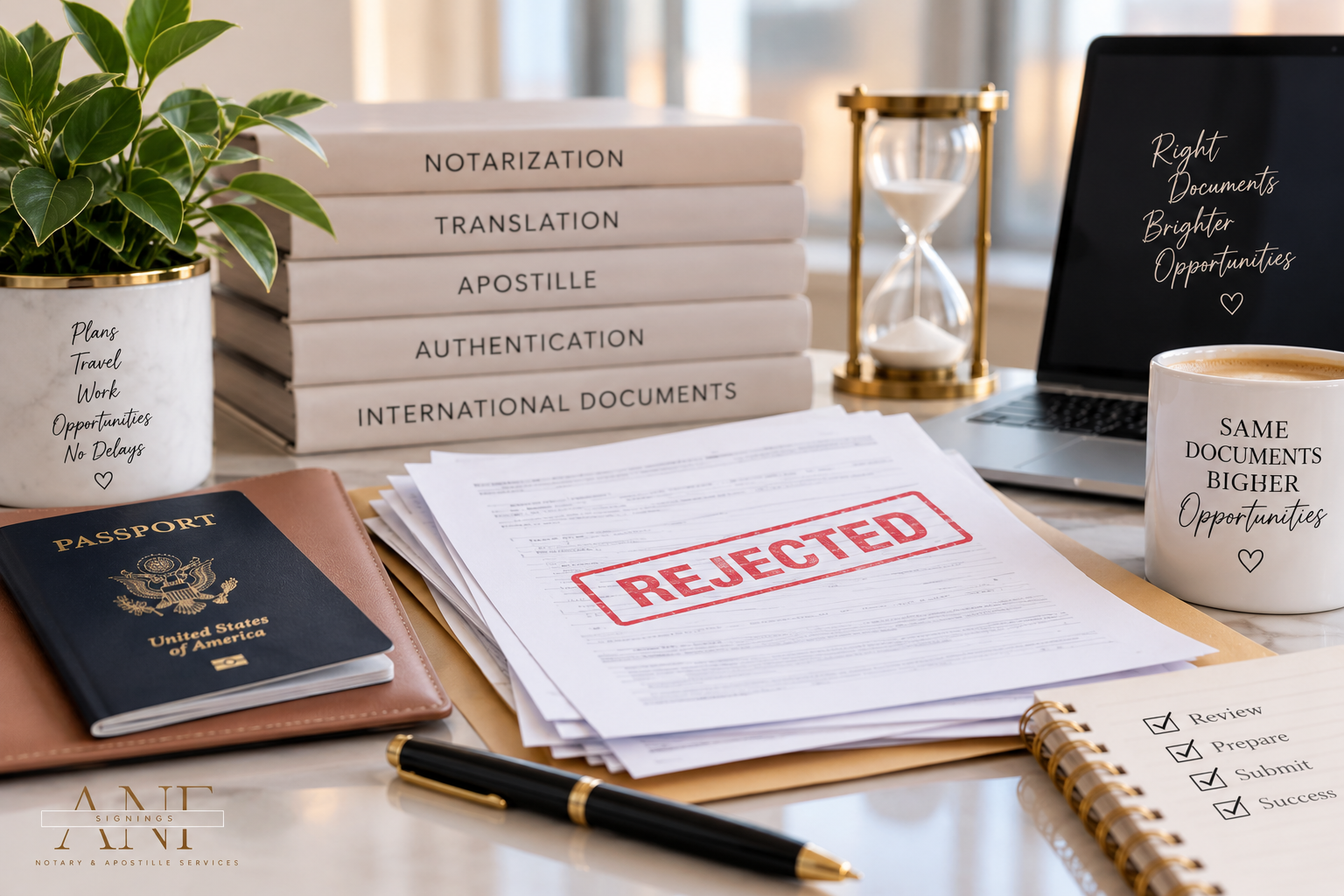
One missing step can lead to rejection, extra fees, missed deadlines, or having to start the process over.
At ANF Signings, we help take the confusion out of international document processing.
From notarization to translation to apostille — ANF Signings handles the full document process from start to finish.
Don't Guess. Let ANF Review It First.
Fill-up the form for a free document check: CLICK HERE
📞 540-242-3477
📧support@anfsignings.com