State Apostille vs. Federal Authentication: What’s the Difference?
If you have a document that needs to be used outside of the United States, you may have been told that it needs an apostille or authentication.
But here is where many clients get confused: not every document goes through the same office.
Some documents are handled at the state level, while others must be handled at the federal level. Sending your document to the wrong agency can cause delays, rejection, extra fees, and unnecessary stress.
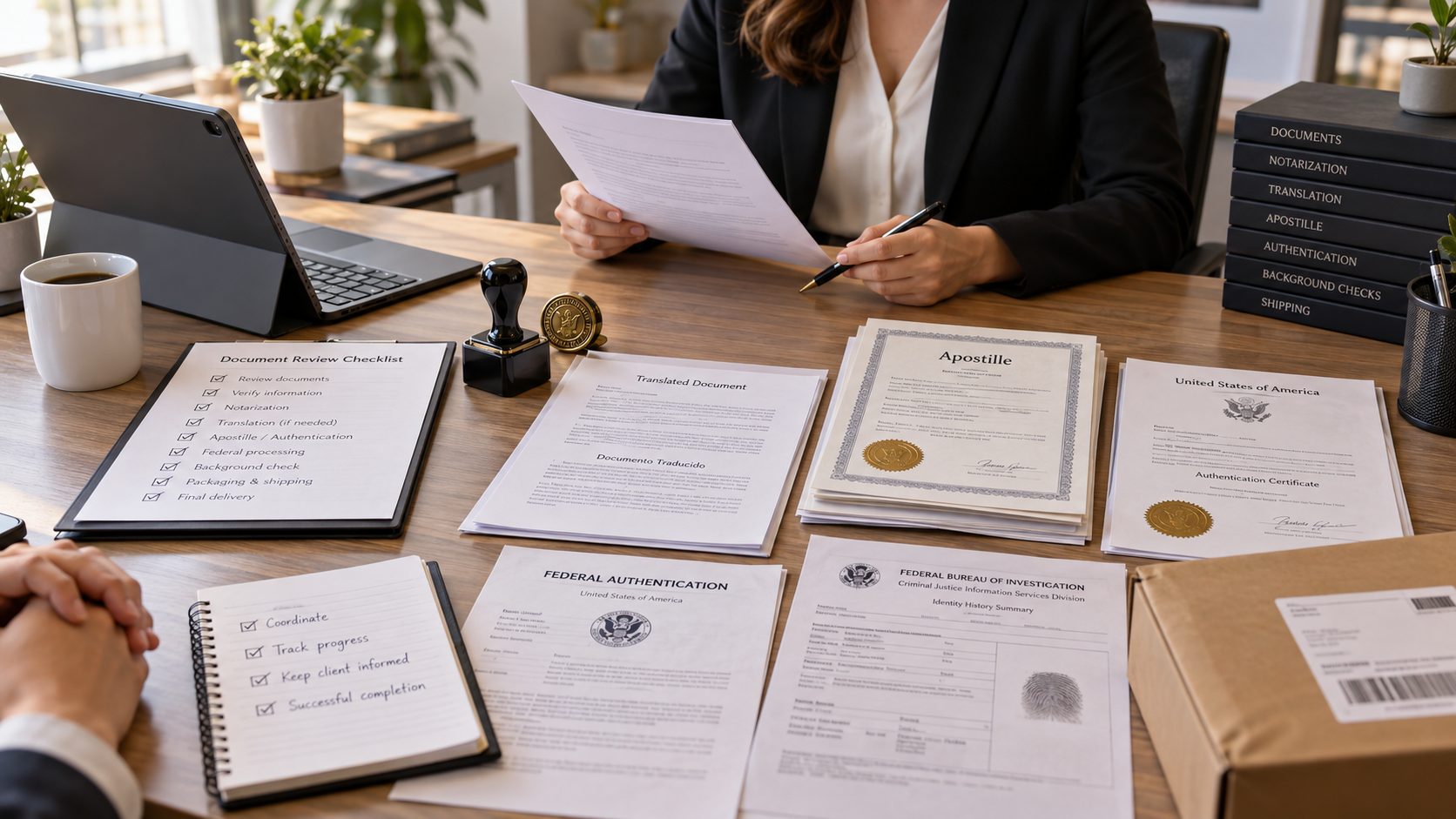
At ANF Signings Notary & Apostille Services, we help clients review their documents first so they understand whether their paperwork needs state apostille processing, federal authentication, certified translation, notarization, or another step before submission.
From notarization to translation to apostille — ANF Signings handles the full document process from start to finish.

What Is a State Apostille?
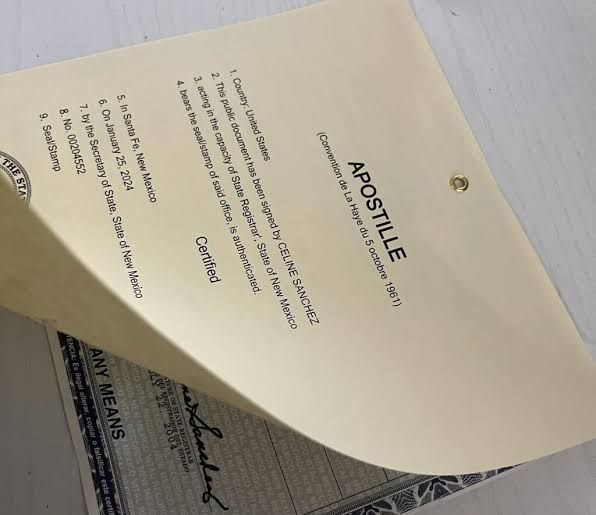
A state apostille is typically used for documents that were issued, notarized, or certified at the state level.
This may include documents such as:
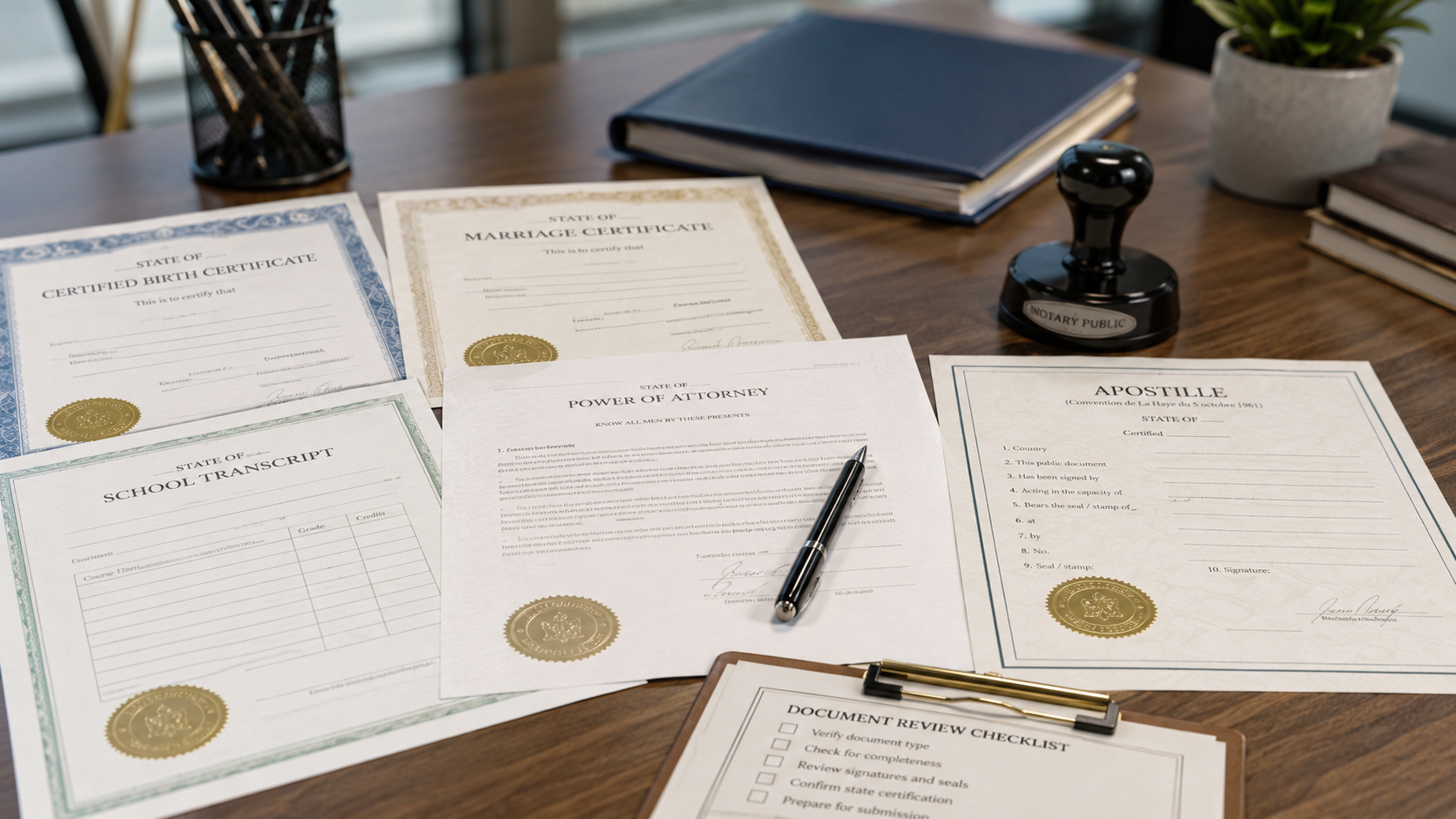
- Birth certificates
- Marriage certificates
- Divorce decrees
- Death certificates
- Powers of attorney
- Affidavits
- School records
- Business documents
- State-issued certificates
- Notarized personal or legal documents
For example, the Virginia Secretary of the Commonwealth states that its authentication only verifies that the Virginia notary, clerk of court, or deputy state registrar is listed in its system and has notarized or issued the document correctly.
This means the state office is not reviewing the content of your document. It is confirming the authority of the official signature, seal, or certification attached to the document.
What Is Federal Authentication?
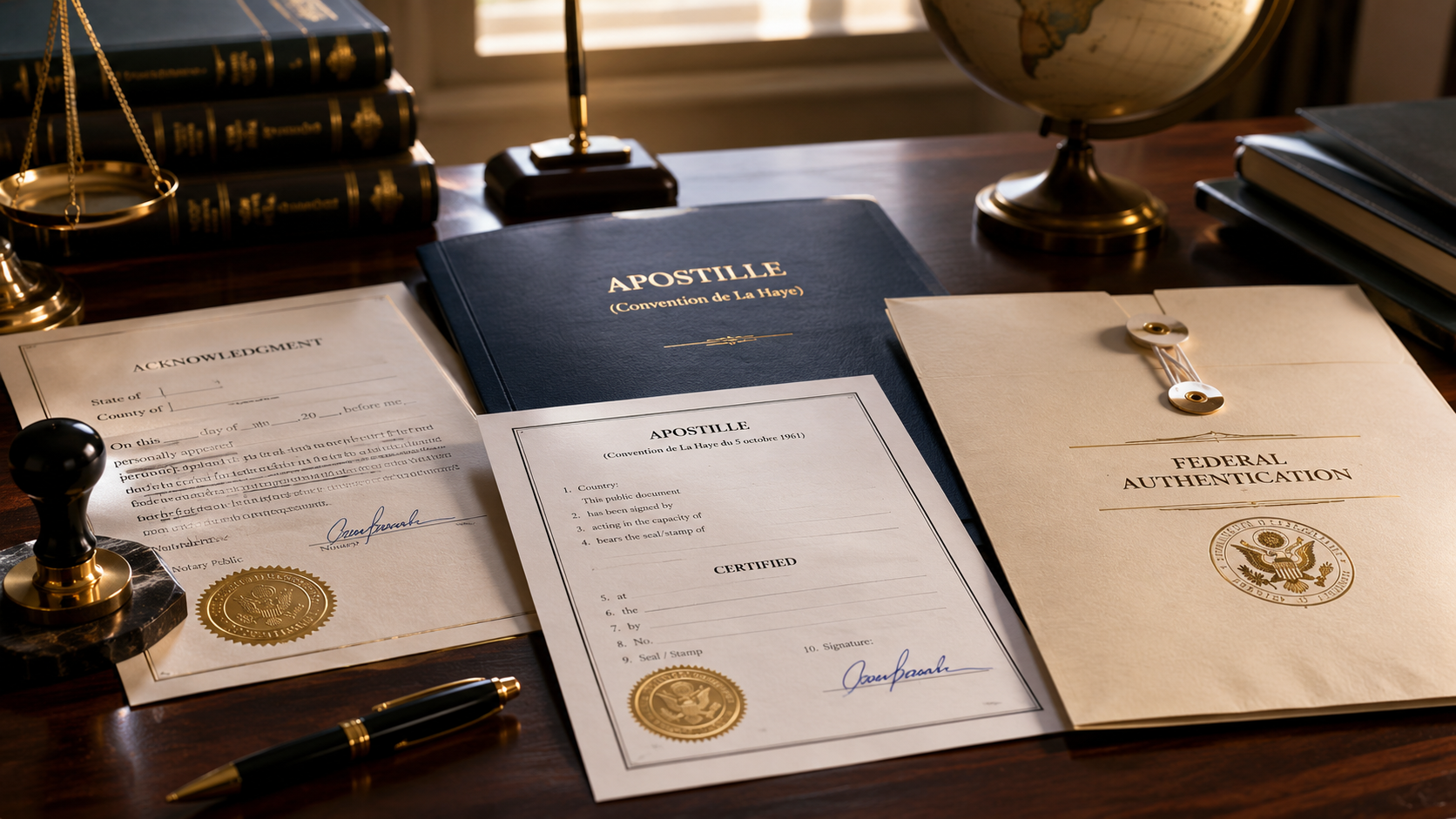
Federal authentication applies to documents issued by a federal agency or signed by a federal official.
These documents usually do not go through a regular state apostille office.
Federal documents may include:
- FBI background checks
- Federal court documents
- IRS documents
- FDA documents
- USDA documents
- Social Security Administration documents
- Certificates of naturalization
- Other federal agency records
The U.S. Department of State’s Office of Authentications provides authentication and apostille certificates for U.S. documents used abroad, and it notes that authentication acknowledges the seal and signature of the official, not the document itself.
This is important because many clients assume all documents go to a state office, but FBI background checks and certain federal documents often need to be processed federally.
The Biggest Difference: Who Issued or Notarized the Document?
The main difference between state apostille processing and federal authentication is based on where the document came from.
A document usually needs state-level processing if it was:
- Issued by a state agency
- Certified by a state or local official
- Notarized by a state-commissioned notary
- Filed or certified through a state court
- Created by a school, business, or individual and notarized at the state level
A document usually needs federal-level processing if it was:
- Issued by a U.S. federal agency
- Signed by a federal official
- Created by the FBI or another federal department
- Intended for authentication through the U.S. Department of State
Virginia’s Secretary of the Commonwealth specifically notes that federal documents, including FBI background checks, must be authenticated by the Federal Office of Authentications, not by the Virginia Secretary of the Commonwealth.
Apostille vs. Authentication Certificate
Another point of confusion is the difference between an apostille certificate and an authentication certificate.
The certificate type depends on the destination country.
The U.S. Department of State explains that apostille certificates are used for documents going to countries that are part of the 1961 Hague Convention Treaty, while authentication certificates are used for countries that are not part of that treaty.
This means your document process depends on both:
- The type of document
- The country where the document will be used
That is why two clients can have similar documents but need different processing steps.
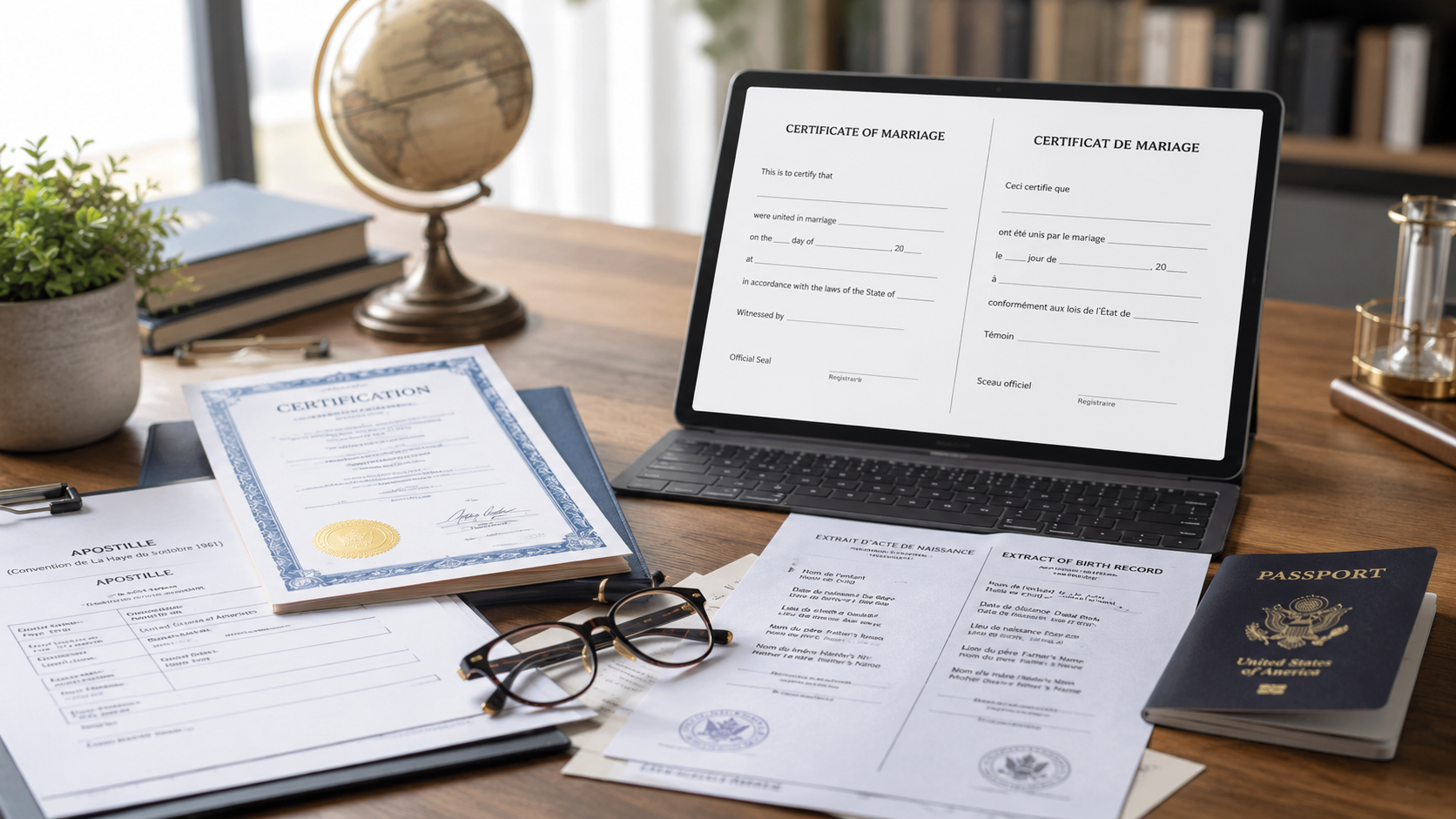
Example 1: Birth Certificate
A birth certificate is usually a state-issued vital record.
If it needs to be used internationally, it may require apostille or authentication through the state that issued the certificate.
For example, if the birth certificate was issued in Virginia, it would generally be handled through Virginia’s authentication process. If it was issued in another state, it would typically need to be processed through that state.
A common mistake is sending a state-issued birth certificate to the wrong state or trying to have a photocopy processed instead of the proper certified copy.
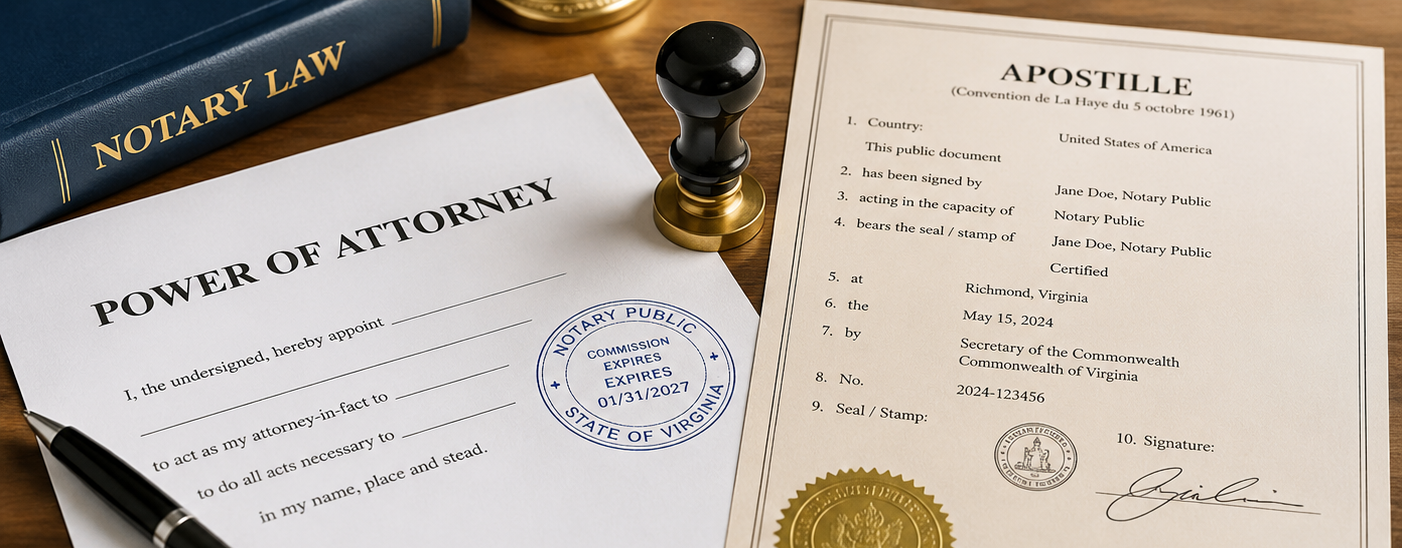
Example 2: Power of Attorney
A power of attorney may need to be notarized before it can be apostilled.
If the POA was notarized by a state notary, the apostille usually comes from the state where the notary is commissioned.
Common mistakes with powers of attorney include:
- Missing notarial wording
- Missing notary seal
- Missing notary signature
- Incorrect signer name
- Missing witness requirements
- Sending the document to the wrong state
Even if a document has been notarized, it may still be rejected if the notarization was not completed properly.
Example 3: FBI Background Check
An FBI background check is a federal document.
If it will be used outside of the United States, it may need federal-level processing through the U.S. Department of State instead of a state office.
This is commonly needed for:
- Immigration
- Residency
- Visa applications
- Teaching abroad
- Overseas employment
- Adoption
- Professional licensing
- International business requirements
Sending an FBI background check to a state apostille office can delay the process because state offices generally cannot authenticate federal documents.
Why Sending Documents to the Wrong Agency Causes Delays
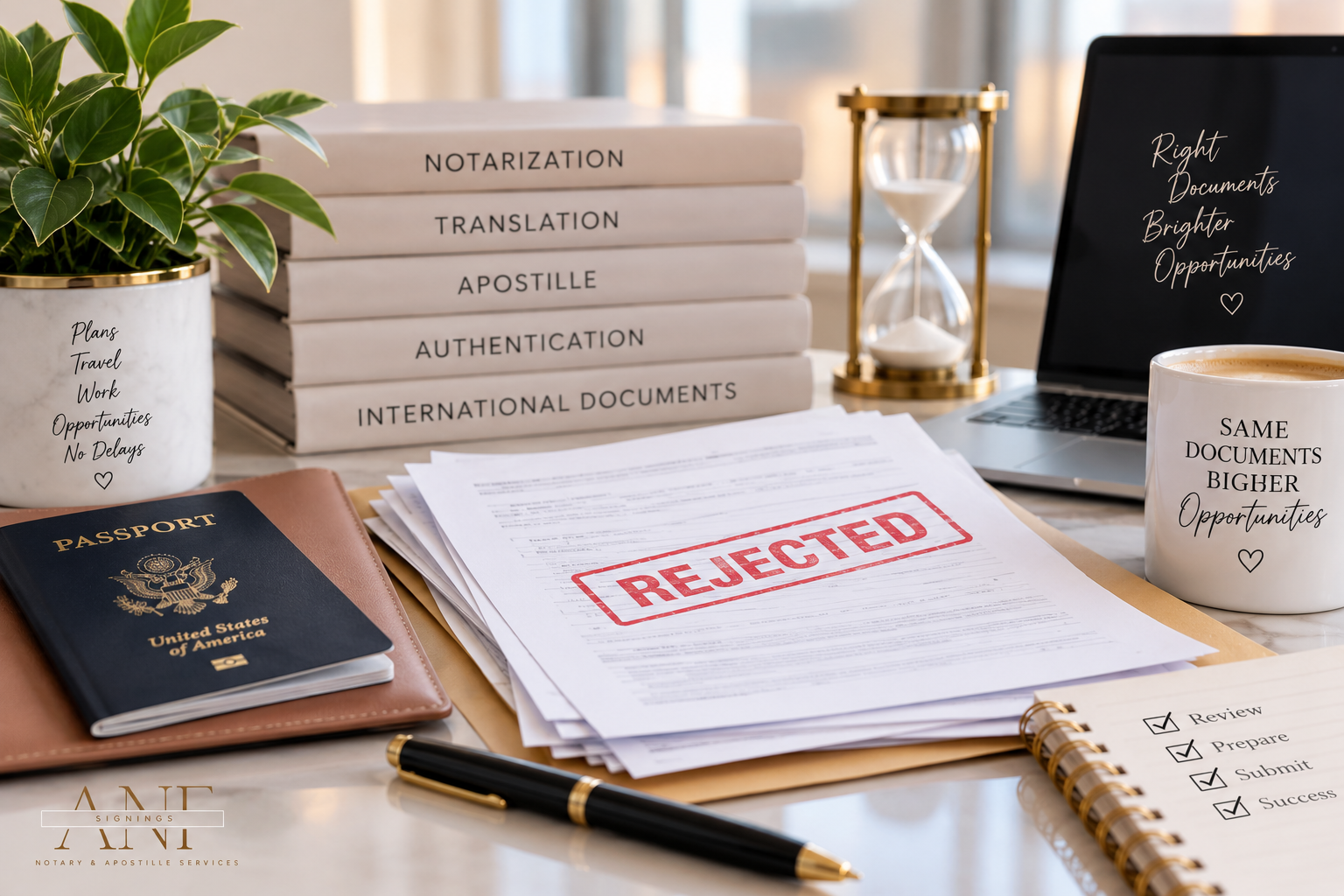
One of the most common reasons documents are delayed or rejected is because they were submitted to the wrong agency.
This can happen when:
- A federal document is sent to a state office
- A state document is sent to the wrong state
- A notarized document is submitted without proper notarial wording
- A document needs translation before or after processing
- The destination country was not confirmed
- The wrong certificate type was requested
- The document should have been certified before submission
A mistake like this can mean having your paperwork returned, paying additional fees, resubmitting documents, or missing an important deadline.
Does Translation Affect the Process?
Yes, certified translation can affect the order of the process.
Some documents may need to be translated before submission. Others may need to be apostilled or authenticated first, then translated afterward.
The correct order depends on:
- The destination country
- The receiving agency
- The document type
- Whether the translation must be certified
- Whether the translation must be notarized
- Whether the apostille or authentication certificate also needs translation
This is another reason document review is important before paying for translation or mailing documents.
Why Document Review Matters Before You Submit
Before you start the apostille or authentication process, it is important to confirm:
- What type of document you have
- Where the document was issued
- Whether it was notarized correctly
- Whether it is state or federal
- Where the document will be used
- Whether the destination country accepts apostilles
- Whether certified translation is required
- Whether shipping or embassy steps are needed
A document review can help prevent delays, rejection, and unnecessary costs.
How ANF Signings Can Help
At ANF Signings Notary & Apostille Services, we help clients understand the correct process before they submit their documents.
We assist with:
- Document review
- State apostille processing
- Federal document authentication
- FBI background check support
- Remote Online Notarization
- Mobile notarization where available
- Certified translations
- Shipping coordination
Instead of trying to figure out whether your document needs state processing, federal processing, translation, notarization, or authentication, you can start with ANF Signings.
We review your document and help guide the next step.
Do Not Guess Your Way Through the Process
State apostille processing and federal authentication are not the same thing.
The right process depends on the document type, who issued it, where it was notarized or certified, and where it will be used.
If you send your document to the wrong agency or complete the steps in the wrong order, it can cause delays, rejection, extra fees, and missed deadlines.
Before you submit, mail, or upload your document, let ANF Signings review it first.
From notarization to translation to apostille — ANF Signings handles the full document process from start to finish.
Don’t guess. Let ANF review it first.
Fill-up the form for a free document check: CLICK HERE
📞 540-242-3477
📧support@anfsignings.com