Does My Power of Attorney Need an Apostille?
A Power of Attorney is one of the most common documents clients need for international use. Whether you are authorizing someone to handle property, banking, legal matters, family business, real estate, immigration, or personal affairs in another country, you may be told that your Power of Attorney needs an apostille before it can be accepted.
At ANF Signings Notary & Apostille Services, one of the most common questions we hear is:
“Does my Power of Attorney need an apostille?”
The answer depends on where the document will be used, how it was signed, whether it was properly notarized, and what the receiving country or agency requires.
What Is a Power of Attorney?
A Power of Attorney, also called a POA, is a legal document that allows one person to give another person authority to act on their behalf.
A Power of Attorney may be used for:
- Real estate transactions
- Banking matters
- Property management
- Business decisions
- Family matters
- Immigration-related needs
- Vehicle transfers
- Legal representation
- International document signing
- Handling affairs while someone is overseas
When a POA is being used outside of the United States, the receiving country may require proof that the document was properly signed and notarized.
That is where apostille processing may come in.
What Is an Apostille?
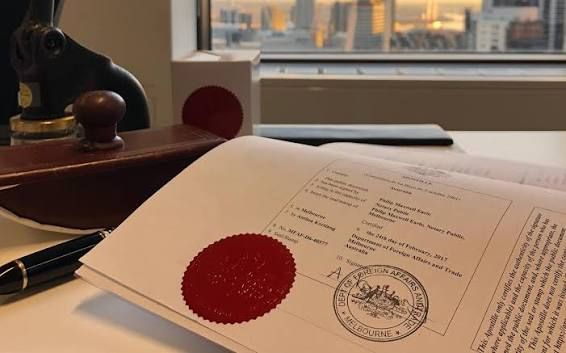
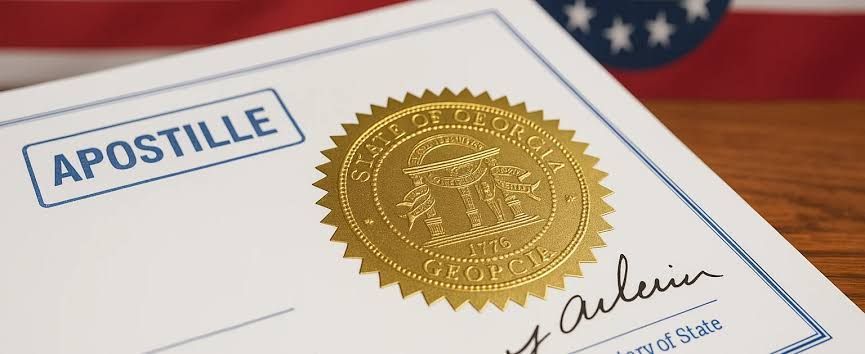
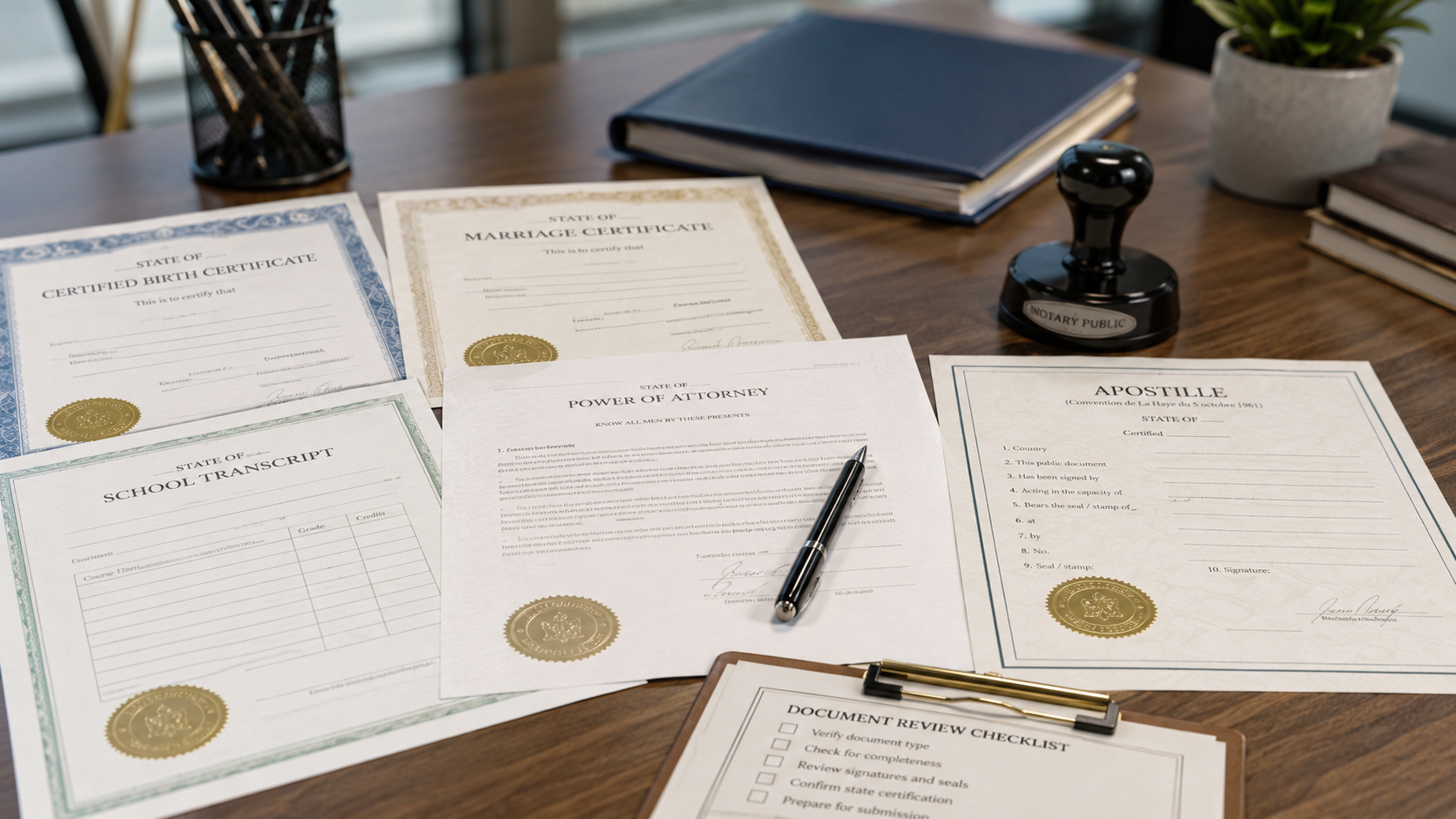
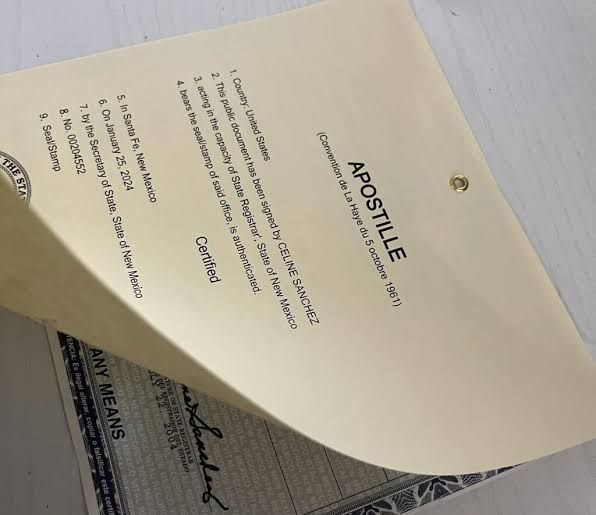
An apostille is a certificate used to authenticate a public document for use in another country that is part of the Hague Apostille Convention.
For a notarized Power of Attorney, the apostille usually confirms the authority of the notary or public official connected to the document. It does not confirm the legal content of the Power of Attorney itself.
In simple terms, the apostille helps another country recognize the signature, seal, or official authority attached to the document.
Does a Power of Attorney Need an Apostille?
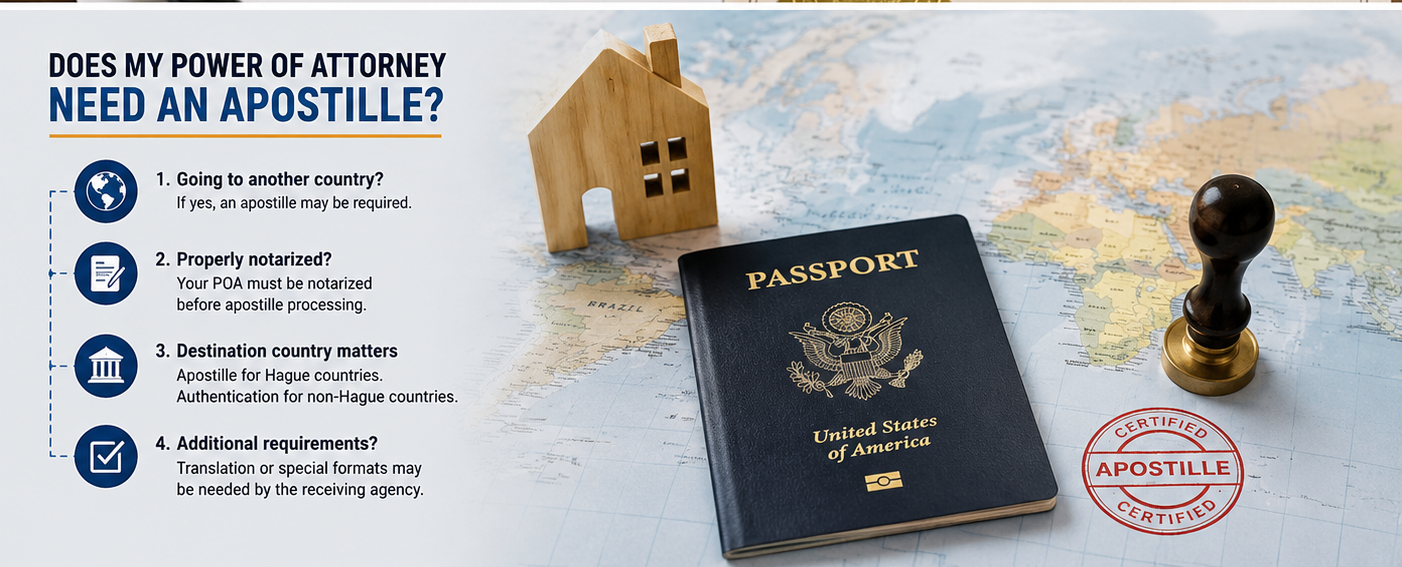
Your Power of Attorney may need an apostille if:
- It will be used outside of the United States
- The destination country is part of the Hague Apostille Convention
- The receiving agency requests an apostille
- The document was properly notarized
- The apostille must verify the notarial act or official signature
For example, if you are giving someone authority to handle real estate or legal affairs in another country, that country may require the POA to be notarized and apostilled before it is accepted.
What If the Country Does Not Accept Apostilles?
Not every country uses apostilles.
If the country where your Power of Attorney will be used is not part of the Hague Apostille Convention, your document may need a different process called authentication or legalization.
This may involve additional steps beyond a state apostille, depending on the country and receiving agency.
That is why the first question should always be:
What country is this Power of Attorney going to?
The Power of Attorney Usually Needs Notarization First
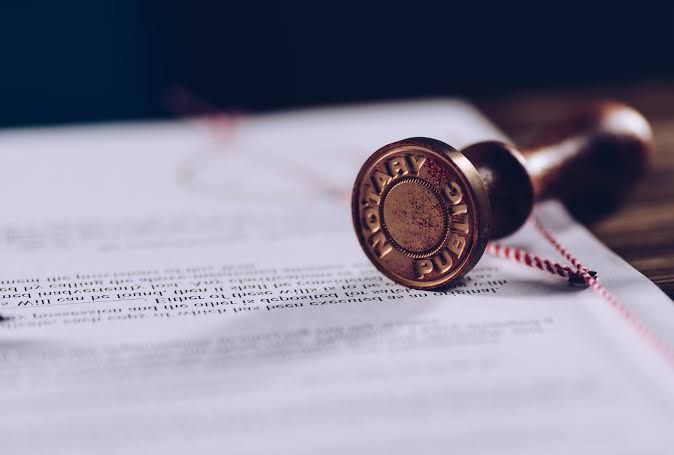
Most Power of Attorney documents must be properly signed and notarized before they can be submitted for apostille processing.
If the notarization is missing, incomplete, or incorrect, the apostille request may be delayed or rejected.
Common notarization issues include:
- Missing notary signature
- Missing notary seal
- Incorrect notarial wording
- Missing date
- Incorrect venue
- Missing signer name
- Notary commission issue
- Document signed before meeting with the notary
- Required witnesses missing
Because apostille offices often authenticate the notarial act, the notarization must be completed correctly before submission.
Which State Handles the Apostille?
For a notarized Power of Attorney, the apostille is usually handled by the state where the notary is commissioned.
For example:
- If the POA is notarized by a Virginia notary, it may need to be processed through Virginia.
- If the POA is notarized by a Florida notary, it may need to be processed through Florida.
- If the POA is notarized in another state, that state may need to handle the apostille.
This is important because sending the document to the wrong state can cause delays.
Your current location is not always what matters. The state connected to the notary or issuing authority usually determines where the document should be processed.
Can a Remote Online Notarized Power of Attorney Be Apostilled?
Sometimes, but not always.
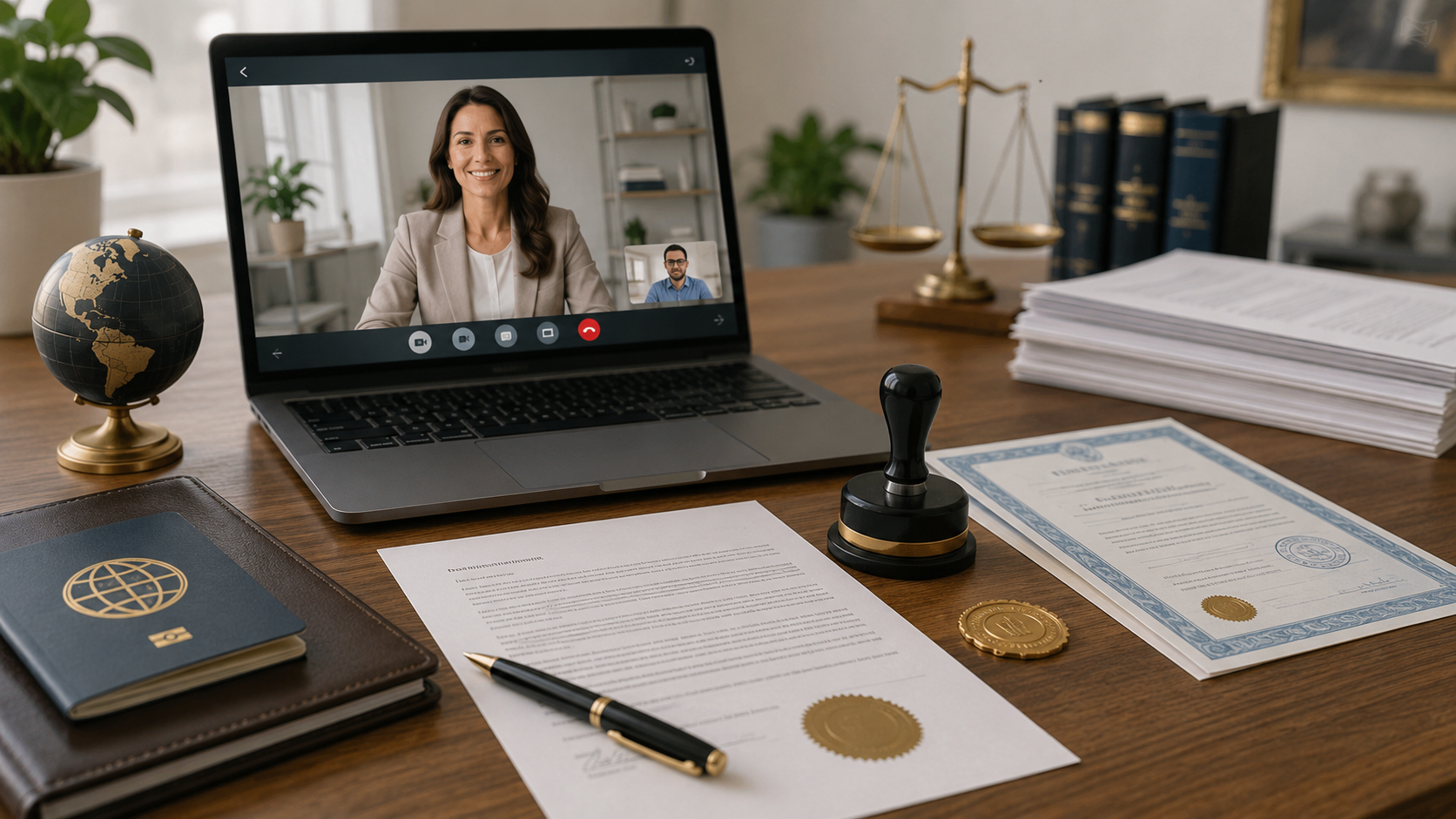
Remote Online Notarization, also called RON, may be convenient for clients who cannot meet a notary in person. However, if the Power of Attorney will be used internationally, the document should be reviewed before choosing online notarization.
Some receiving countries or agencies may prefer or require a traditional wet-ink notarization. Some apostille offices may also have specific rules about electronic notarizations.
Before completing RON for a Power of Attorney that needs international use, it is best to confirm:
- Whether the receiving country accepts online notarized documents
- Whether the apostille office can process the notarization
- Whether the document needs wet signatures
- Whether witnesses are required
- Whether translation will be needed
RON can be a helpful option, but it may not be the right choice for every international Power of Attorney.
Does the Power of Attorney Need Translation Too?
Possibly.
If the Power of Attorney will be used in a country where English is not the official language, the receiving agency may require a certified translation.
The translation may be needed:
- Before the apostille
- After the apostille
- Along with the apostilled document
- With notarized translator certification
- As part of a full document package
The order depends on the destination country and the agency requesting the document.
This is one of the biggest reasons to review the document before starting the process. Translating too early or translating the wrong version can cause extra costs and delays.
Common Reasons a Power of Attorney Apostille Gets Delayed
A Power of Attorney apostille request may be delayed if:
- The notarization is incorrect
- The document was sent to the wrong state
- The destination country was not confirmed
- The document needs witnesses but they were not included
- The receiving agency requires a specific POA format
- A certified translation is missing
- The document was signed incorrectly
- The notarial certificate is incomplete
- The wrong version of the POA was submitted
- The document needed authentication instead of an apostille
One small mistake can result in rejection or having to start over.
Questions to Ask Before Apostilling a Power of Attorney
Before submitting your Power of Attorney for apostille processing, you should confirm:
- What country will the document be used in?
- Is that country part of the Hague Apostille Convention?
- Does the receiving agency require an apostille or authentication?
- Does the POA need notarization?
- Does it need witnesses?
- Does it require wet-ink signatures?
- Does it need certified translation?
- Which state should process the apostille?
- Does the receiving agency require specific wording?
If you are unsure, the safest first step is to have the document reviewed.
How ANF Signings Can Help
At ANF Signings Notary & Apostille Services, we help clients understand what their Power of Attorney may need before submission.
We assist with:
- Power of Attorney notarization
- Remote Online Notarization
- Mobile Notarization
- Apostille processing
- Certified translations
- Federal authentication support when needed
- Document review
- Shipping and courier coordination
Our goal is to help clients avoid confusion, rejection, and unnecessary delays by reviewing the document first and explaining the next step.
Final Takeaway
Your Power of Attorney may need an apostille if it will be used in another country that accepts apostilles and the receiving agency requires it.
However, the process may also involve notarization, witnesses, certified translation, state processing, federal authentication, or additional instructions from the receiving agency.
Before you sign, notarize, translate, or submit your Power of Attorney, let ANF Signings review it first.
Don’t guess. Let ANF review it first.
Fill-up the form for a free document check: CLICK HERE
📞 540-242-3477
📧support@anfsignings.com