Which Documents Commonly Need State Versus Federal Processing?
When preparing documents for international use, one of the most confusing parts of the process is figuring out where the document needs to go.
Does it need to be processed through the state?
Does it need federal authentication?
Does it need to be notarized first?
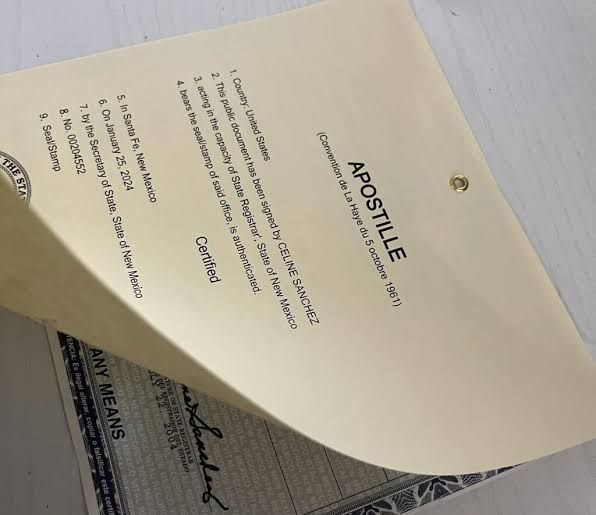
Does it need an apostille?
The answer depends on the type of document, who issued it, where it was signed, and the country where it will be used.
At ANF Signings Notary & Apostille Services, we help clients understand whether their document needs state-level processing, federal-level processing, notarization, certified translation, or additional support before it is submitted.
Why State Versus Federal Processing Matters
Not every document goes to the same place.
Some documents are handled at the state level because they were issued by a state agency, signed by a state official, or notarized by a notary commissioned in that state.
Other documents require federal processing because they were issued by a federal agency or involve a federal official.
Sending a document to the wrong office can cause delays, rejection, additional fees, and unnecessary stress.
What Is State-Level Processing?
State-level processing usually applies to documents that were issued, certified, notarized, or signed within a specific state.
For example, if a document was notarized by a Virginia notary, it generally must be authenticated or apostilled through Virginia. If a birth certificate was issued by Florida, it generally goes through Florida.
State-level processing commonly applies to documents such as:
- Birth certificates
- Marriage certificates
- Divorce decrees
- Death certificates
- Notarized power of attorney documents
- Affidavits
- Travel consent forms
- School records and diplomas
- State-issued business documents
- Certificates of good standing
- Articles of organization
- Real estate-related documents
- Court documents issued by state courts
The key question is: Who issued or signed the document?
If the answer is a state agency, state official, county clerk, state court, school official, or state-commissioned notary, the document may need state-level processing.
What Is Federal Processing?
Federal processing applies to certain documents issued by or connected to the U.S. federal government.
These documents may need to go through the appropriate federal authentication process rather than a state apostille office.
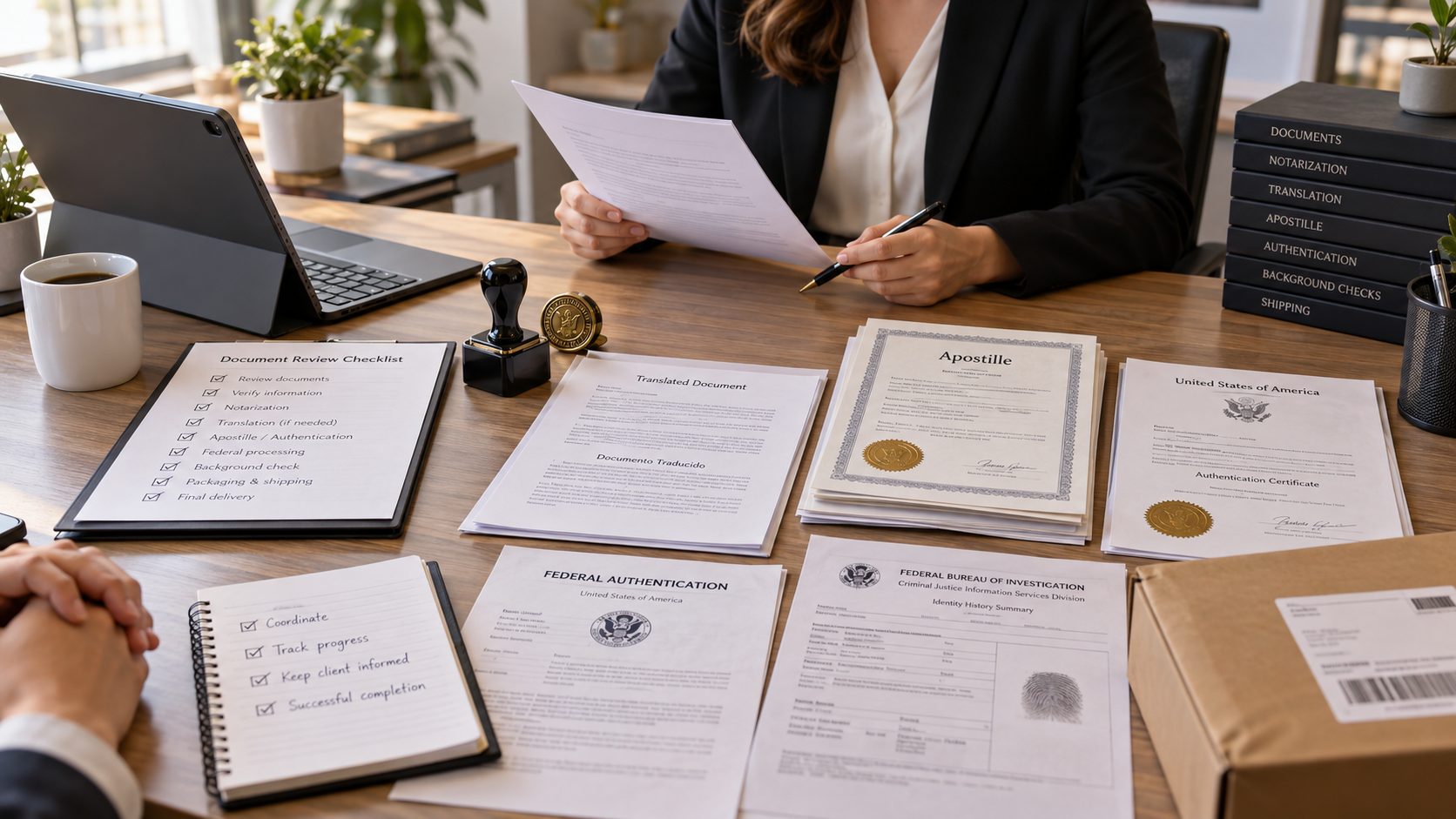
Federal processing commonly applies to documents such as:
- FBI background checks
- Federal court documents
- IRS documents
- FDA documents
- USDA documents
- Social Security Administration documents
- U.S. Patent and Trademark Office documents
- Certain immigration-related documents
- Documents issued by federal agencies
- Consular Reports of Birth Abroad
- Naturalization-related documents, depending on the document type
A common mistake is assuming that every document can be apostilled through a state. Federal documents often require federal handling.
Example: FBI Background Checks
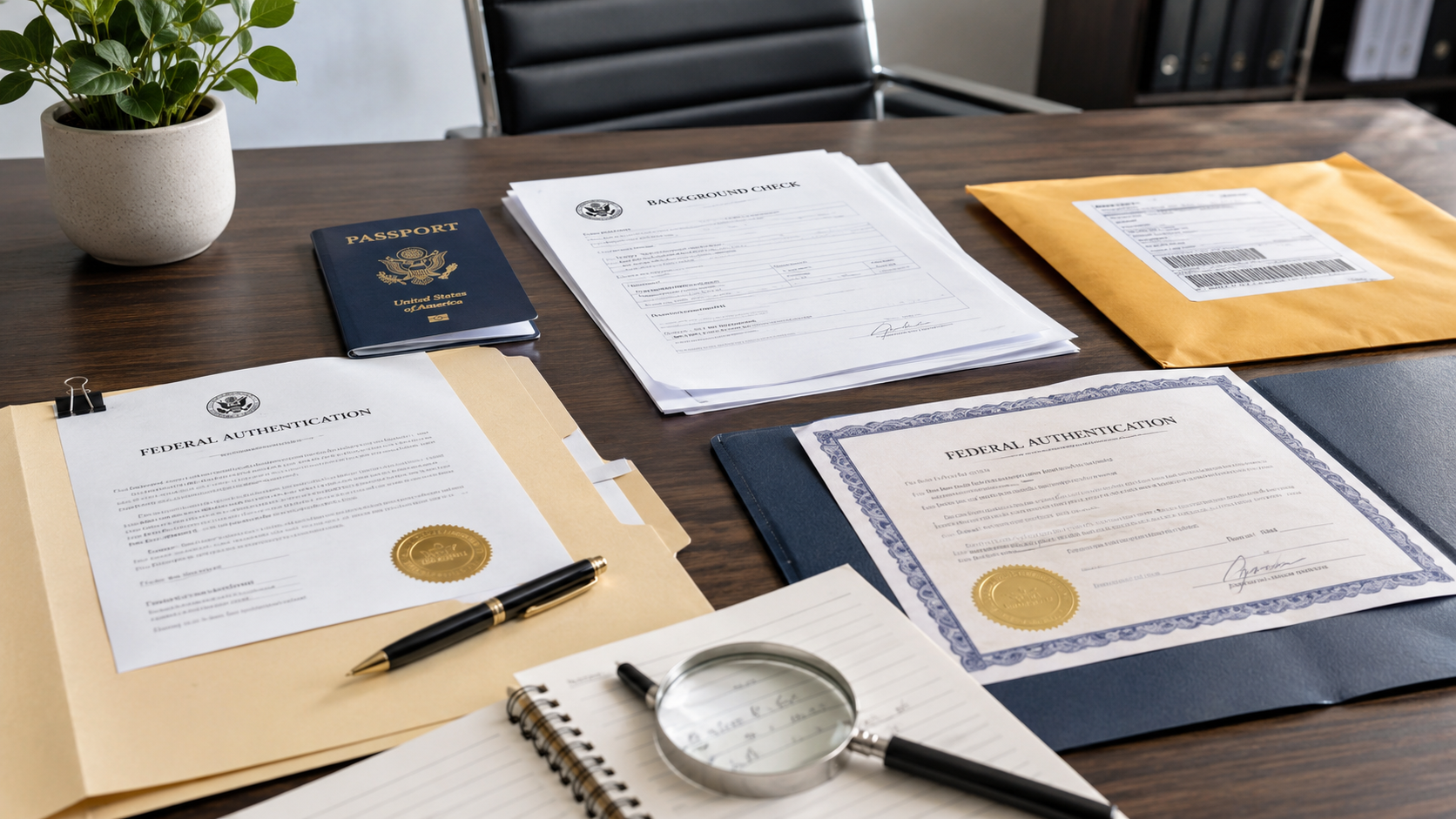
An FBI background check is one of the most common documents that may require federal-level processing.
Many clients need FBI background checks for:
- Immigration
- Residency abroad
- Employment overseas
- Adoption
- Teaching abroad
- Licensing
- Visa applications
- International business requirements
Because FBI background checks are federal documents, they typically cannot be processed the same way as a state-issued birth certificate or a notarized affidavit.
If you send an FBI background check to the wrong agency, it can delay your process.
Example: Birth Certificates
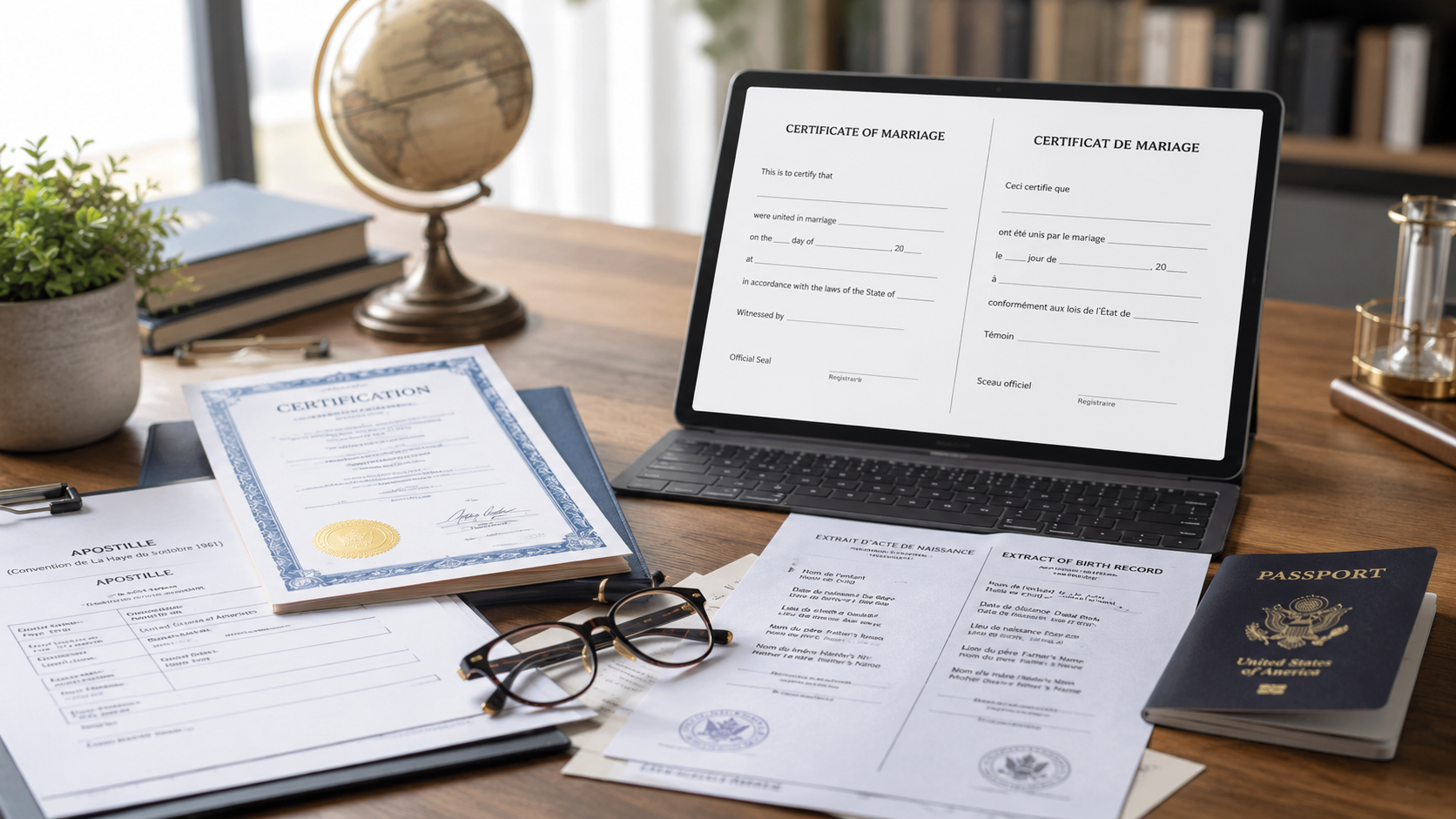
Birth certificates usually require state-level processing because they are issued by a state vital records office.
For example, a Virginia birth certificate would generally be processed through Virginia, while a Florida birth certificate would generally be processed through Florida.
A regular photocopy, hospital record, or unofficial version may not be accepted. In many cases, the document must be a certified copy from the correct vital records office.
Depending on the destination country, the birth certificate may also need a certified translation after the apostille is completed.
Example: Power of Attorney Documents
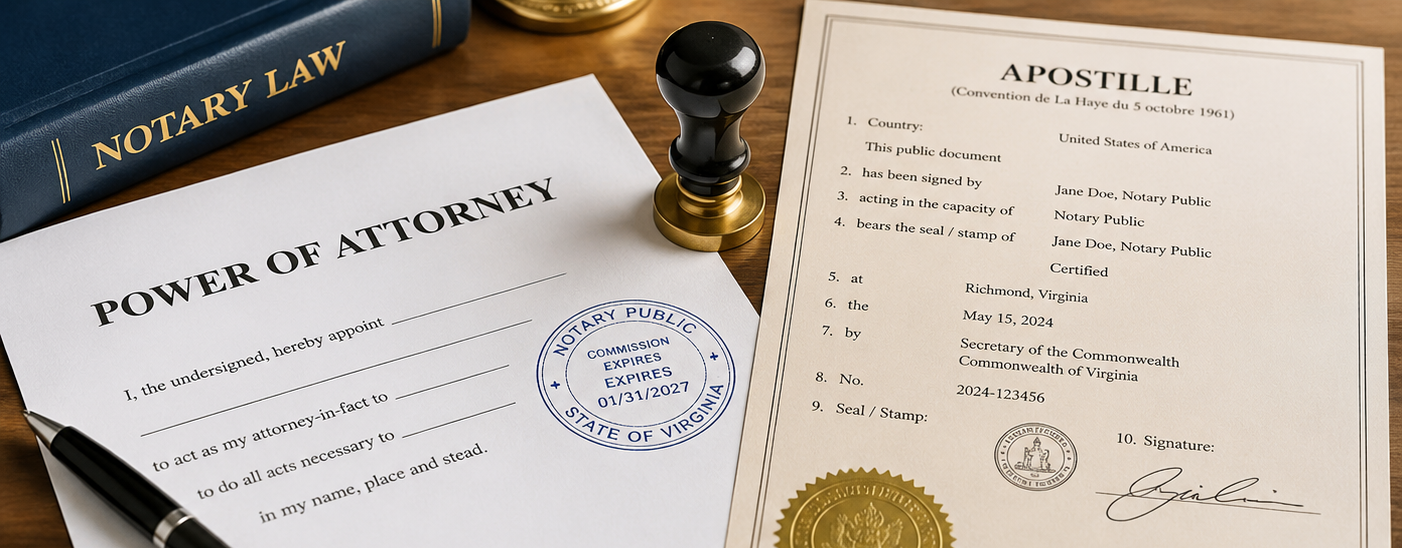
Power of attorney documents often require notarization first.
Once notarized, the document is generally processed through the state where the notary is commissioned.
For example, if a power of attorney is notarized by a Virginia notary, it may need to be apostilled or authenticated through Virginia.
If the document will be used in another country, it may also require certified translation, shipping coordination, or additional instructions from the receiving agency.
Example: Business Documents
Business documents can fall into either state or federal processing depending on the document.
State-level business documents may include:
- Articles of organization
- Certificates of good standing
- Corporate resolutions
- Business formation documents
- State-issued registration documents
Federal business or agency documents may include:
- IRS documents
- FDA documents
- USDA documents
- Federal certificates
- Federal agency correspondence or certifications
This is why business documents should be reviewed before submission. The title of the document alone does not always tell you where it needs to go.
Example: School Records and Diplomas
School records and diplomas are another area where clients often get confused.
Some school documents may need to be signed by a school official, notarized, and then apostilled through the state. Others may need certification from the school or a state education-related authority before processing.
Common school documents include:
- Diplomas
- Transcripts
- Enrollment letters
- Degree verification letters
- Teaching credentials
- Training certificates
If the document is for study abroad, foreign employment, immigration, or professional licensing, the receiving agency may also request a certified translation.
The Destination Country Still Matters
Even after you determine whether a document is state or federal, the destination country still matters.
If the document is going to a country that accepts apostilles, it may need an apostille.
If the document is going to a country that does not accept apostilles, it may require a different authentication or legalization process.
The destination country can also determine whether a certified translation is needed and whether the apostille or authentication certificate itself must be translated.
Common Mistakes That Cause Delays
Many document delays happen because clients send documents to the wrong place or skip an important step.
Common mistakes include:
- Sending a federal document to a state office
- Sending a state-issued document to the wrong state
- Apostilling a photocopy instead of a certified copy
- Forgetting notarization before state processing
- Using an incorrect notarial certificate
- Not confirming the destination country
- Translating the document too early
- Not translating the apostille when required
- Assuming all documents follow the same process
One small mistake can result in rejection or having to start over.
How to Know Which Process Your Document Needs
Before submitting your document, ask:
- Who issued the document?
- Was it signed by a state official or federal official?
- Was it notarized?
- What state was the notary commissioned in?
- Is the document a certified copy?
- What country will the document be used in?
- Does the receiving agency require translation?
- Does it need apostille, authentication, or legalization?
If you are unsure, it is better to have the document reviewed before paying for the wrong process.
How ANF Signings Can Help
At ANF Signings Notary & Apostille Services, we help clients determine whether their documents need state-level processing, federal-level processing, or another step before submission.
We assist with:
- Apostille processing
- Federal document authentication support
- FBI background check authentication support
- Remote Online Notarization
- Mobile Notarization
- Certified translations
- Document review
- Shipping and courier coordination
Whether your documents are for immigration, travel, marriage abroad, school, employment, business, adoption, licensing, or legal matters, we help guide the process from start to finish.
Final Takeaway
The difference between state and federal processing matters.
Some documents must go through the state where they were issued, signed, notarized, or certified. Others require federal authentication because they were issued by a federal agency.
Before you submit your document, do not guess.
Let ANF Signings review your document first and help you understand the correct next step.
Fill-up the form for a free document check: CLICK HERE
📞 540-242-3477
📧support@anfsignings.com