“What Happens After Your Document Is Apostilled?”
You finally received your apostilled document. Now what?
Many people assume that once a document has been apostilled, the entire process is complete. While receiving an apostille is an important step, your document may still need additional preparation before it can be submitted or accepted internationally.
Depending on the destination country, receiving agency, and type of document, you may still need certified translation, international shipping, or additional documentation.
At ANF Signings Notary & Apostille Services, we help clients understand the entire process, not just the apostille itself.
From notarization to translation to apostille — ANF Signings handles the full document process from start to finish.
What Does It Mean When Your Document Is Apostilled?
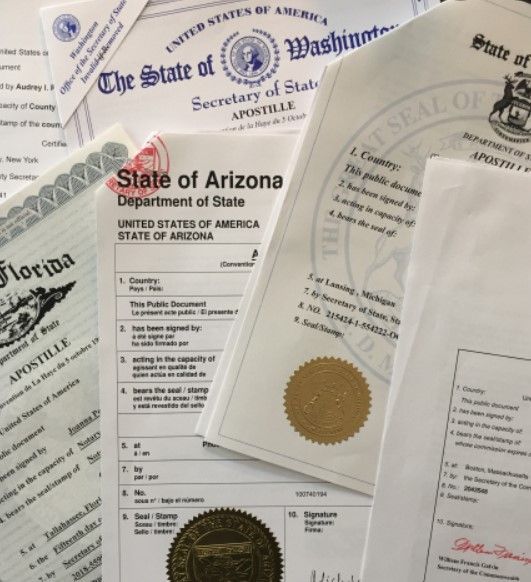
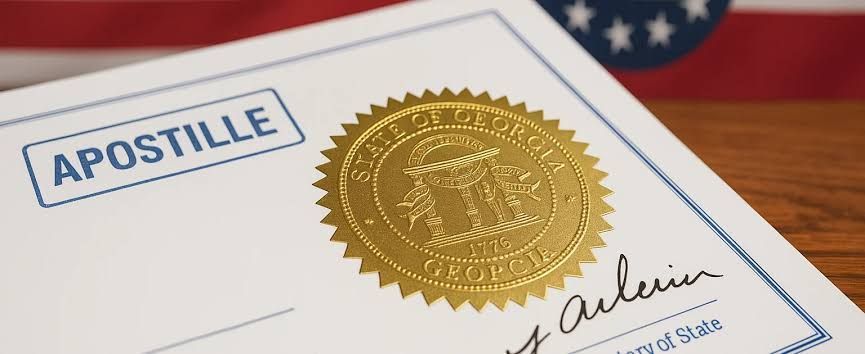
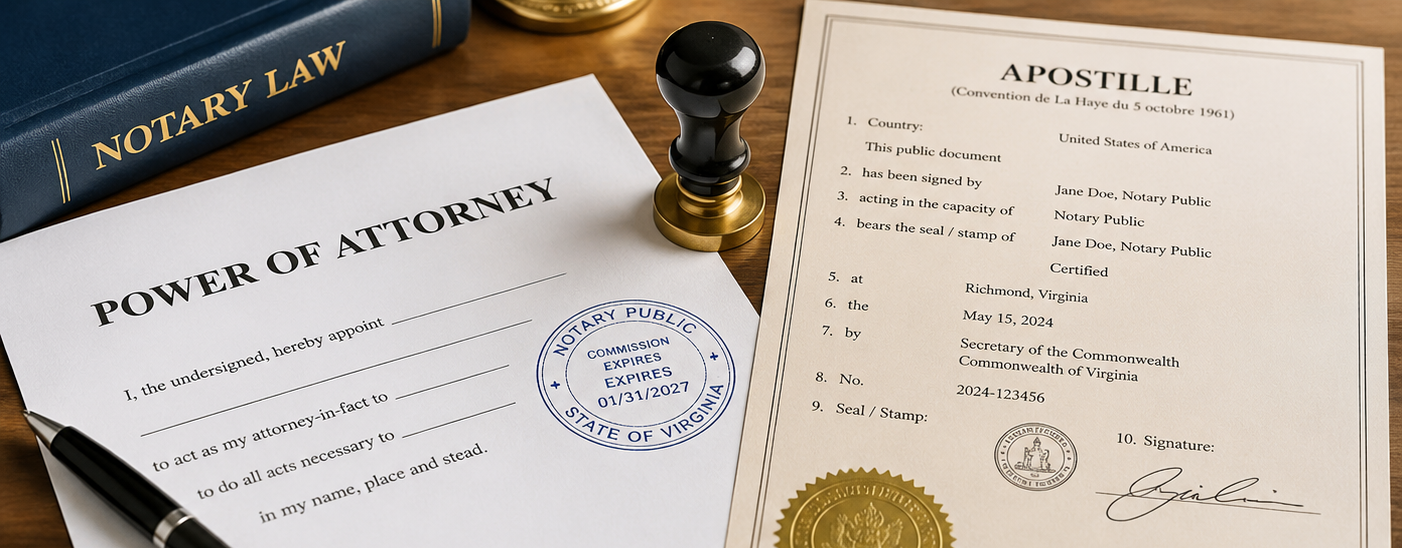
An apostille is an official certificate that authenticates the signature, seal, or authority of the public official associated with a document.
Apostilles are used between countries where the 1961 Hague Apostille Convention applies.
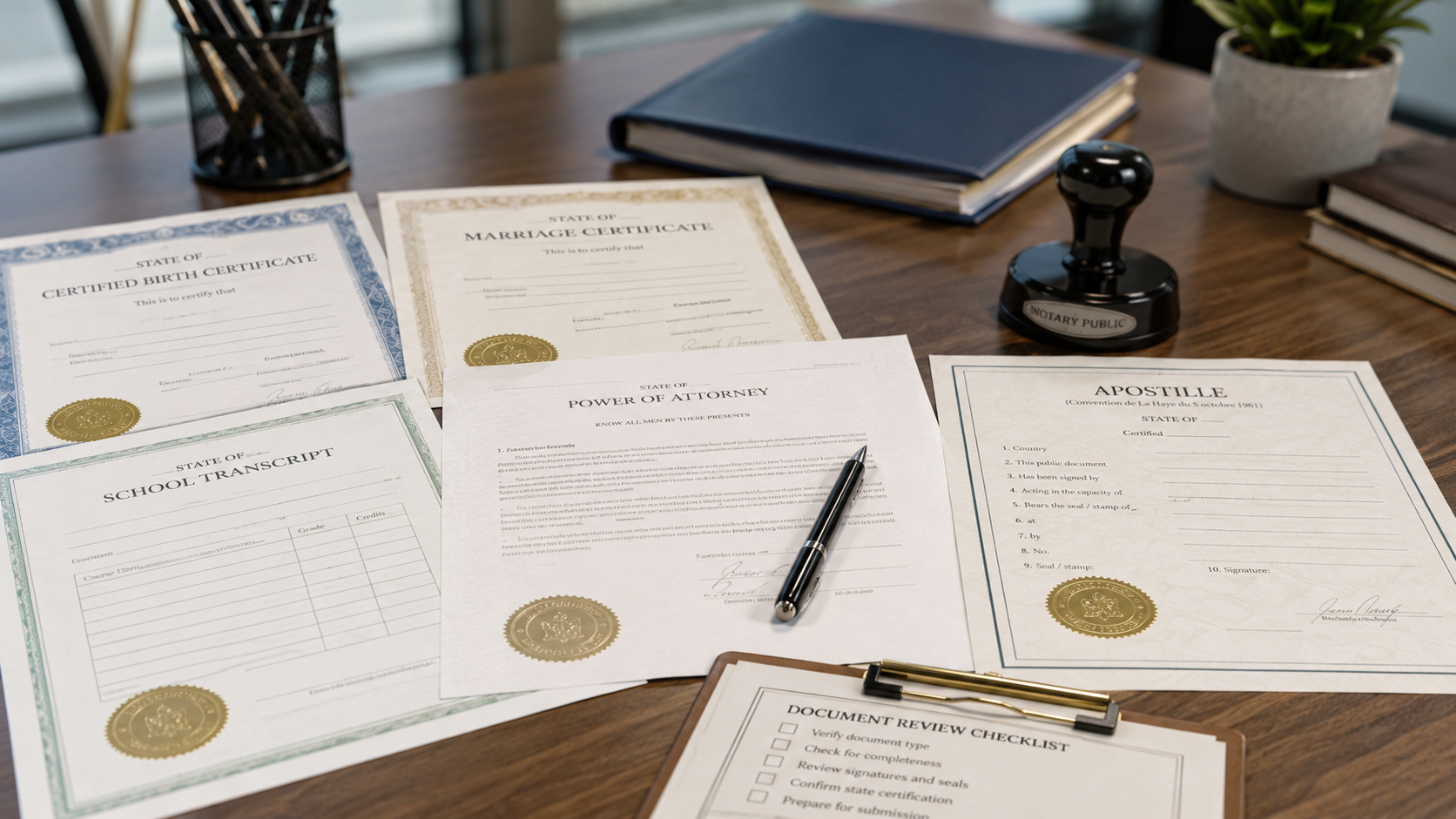
Common documents that may require apostille processing include:
- Birth certificates
- Marriage certificates
- Divorce decrees
- Powers of attorney
- School transcripts and diplomas
- Business documents
- Court documents
- FBI background checks
An apostille does not verify that the information inside your document is true or guarantee that a foreign agency will accept it.
Instead, it verifies the origin of the public document so it can be presented in another participating country without the traditional diplomatic or consular legalization process.
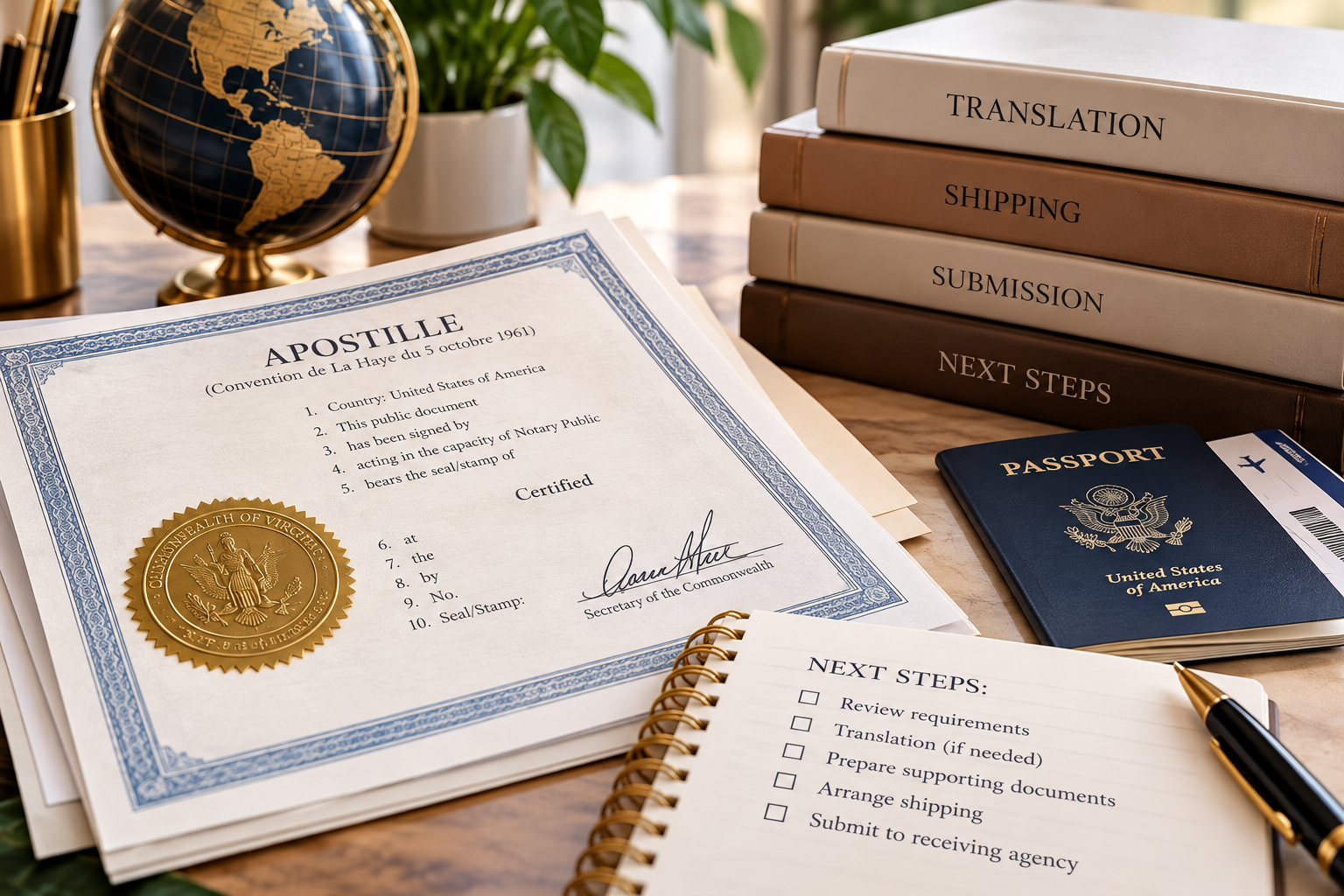
Once your document has been apostilled, the next step depends on how and where it will be used.
Step 1: Review Your Apostilled Document
Before mailing or submitting your document, carefully review what you received.
Your apostille certificate should be associated with the correct document and contain the required authentication information.
Check that:
- The document you received is the one you submitted.
- The apostille certificate is complete and legible.
- The names and other information on the underlying document match your records.
- All document pages are included.
- The apostille is properly attached or associated with the document.
- Any special instructions from the receiving agency have been addressed.
Do not remove or separate the apostille certificate from the document.
Separating an apostille from the document it authenticates may create questions about whether the certification belongs to that document.
If you notice an error, address it before sending the document internationally.
Step 2: Confirm the Receiving Country's Requirements
TJust because your document has an apostille does not automatically mean it meets every requirement of the country where it will be used.
Different countries and receiving agencies may have different requirements for document submission.
For example, your apostilled document may be intended for:
- Immigration or residency applications
- International employment
- Marriage abroad
- Dual citizenship applications
- Overseas school enrollment
- Business registration
- Real estate transactions
- International legal proceedings
Before sending your document, confirm the exact requirements with the organization requesting it.
Some agencies may require an original document, additional supporting records, or documents issued within a specific timeframe.
The apostille confirms the document's origin, but the receiving agency determines whether the document satisfies its requirements.
Step 3: Determine Whether Certified Translation Is Required
One of the most common questions clients ask after receiving an apostille is:
Does my apostilled document need to be translated?
The answer depends on the destination country and the receiving agency.
If your document is written in English but will be used in a country where another language is required, a certified translation may be necessary.
For example, a client submitting an apostilled birth certificate, marriage certificate, or Power of Attorney overseas may be asked to provide a certified translation.
Depending on the requirements, the translation may need to include both the original document and the apostille certificate.
However, the order matters.
Some agencies require translation after apostille processing, while others have different certification or notarization requirements.
Before paying for a translation, confirm:
- Which language is required
- Whether a certified translation is necessary
- Whether the apostille certificate must also be translated
- Whether the translation needs additional certification
- Whether an original or electronic translation is accepted
At ANF Signings, we help clients coordinate certified translations and understand the appropriate next step.
Step 4: Arrange Secure Shipping or Document Delivery
Once your apostilled document has been reviewed and any required translation is complete, it may be ready for delivery.
Some receiving agencies require physical documents, while others may accept electronic submissions.
If your document must be mailed internationally, consider using a trackable delivery method.
Important documents such as birth certificates, marriage certificates, Powers of Attorney, and legal records should be packaged carefully to prevent damage or loss.
Before shipping, confirm:
- The correct receiving address
- Whether the original is required
- Whether additional documents must be included
- The submission deadline
- Whether a courier service is accepted
- Whether proof of delivery is needed
One incorrect address or missing document can delay an otherwise completed process.
ANF Signings offers shipping coordination to help clients manage document delivery after apostille processing.
Step 5: Submit Your Apostilled Document to the Receiving Agency
After completing the necessary preparation, your document can be submitted to the appropriate organization.
This might be an immigration office, university, employer, bank, attorney, government department, or other international institution.
The receiving agency will review the document according to its requirements.
Even with a valid apostille, the agency may request additional information.
For example, a foreign government office may require additional identification, a certified translation, or a more recently issued document.
That is why an apostille should not be confused with final approval of your application or legal transaction.
The apostille authenticates the document's origin. The receiving organization decides whether the document is acceptable for its intended purpose.
Does an Apostilled Document Need Additional Authentication?
Generally, an apostille replaces the traditional diplomatic or consular legalization requirement between countries where the Hague Apostille Convention applies.
This means that, for a covered document, additional consular legalization should not be required merely to authenticate its origin.
However, if the destination country is not covered by the Convention, a different authentication and legalization process may be necessary.
The document type and intended destination should be confirmed before processing begins.
Sending a document through the wrong authentication process can lead to delays, additional fees, or rejection.
Does an Apostille Expire?
An apostille itself generally does not expire under the Hague Apostille Convention.
However, that does not mean the document attached to it will always meet the receiving agency's requirements.
For example, an agency may request an FBI background check, birth certificate, or other record issued within a specified timeframe.
Even when the apostille remains valid, the underlying document may be considered too old for its intended purpose.
Before submitting your document, confirm whether the receiving agency has a document-age requirement.
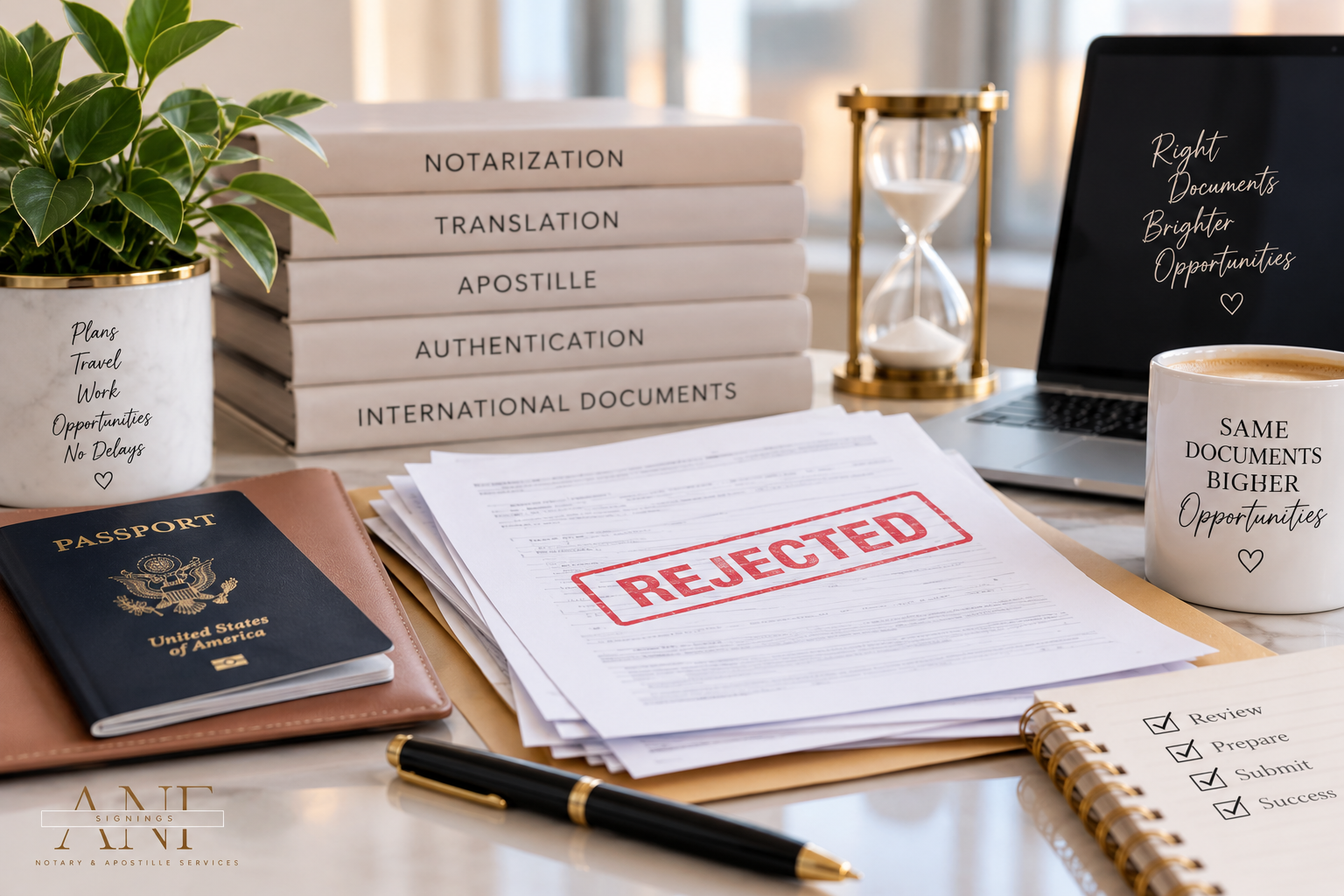
Can an Apostilled Document Still Be Rejected?
Yes.
A document can still be rejected even after receiving an apostille.
Common reasons include:
- The receiving agency requires a newer document.
- A certified translation is missing.
- The original document is required, but only a copy was submitted.
- The document does not meet the agency's format or legal requirements.
- Supporting documentation is missing.
- The apostille is not properly associated with the document.
- The wrong authentication process was used.
- The document was submitted to the wrong organization.
If your document is rejected, the first step is to determine the specific reason.
Do not automatically pay for another apostille.
You may only need a corrected translation, a newer certified document, additional supporting paperwork, or clarification from the receiving agency.
ANF Signings can help review the document-processing requirements and identify possible next steps.
What About Electronic Apostilles?
Some countries and issuing authorities support electronic apostilles, also known as e-Apostilles.
An e-Apostille is issued digitally and is intended to provide the same authentication function as a paper apostille under the Hague Apostille Convention.
However, it is important to understand whether your receiving organization requires electronic submission or has separate instructions for how documents must be delivered.
Printing an electronic apostille does not necessarily create an original paper apostille.
If your document was issued electronically, confirm the correct delivery and verification process before submitting it.
How ANF Signings Helps After Your Document Is Apostilled
At ANF Signings Notary & Apostille Services, we understand that receiving an apostille is not always the final step.
Many clients still need assistance understanding certified translation, authentication requirements, shipping instructions, and international document submission.
We help simplify the process through:
✅ Document Review
✅ State Apostille Processing
✅ Federal Document Authentication Support
✅ Certified Translations
✅ FBI Background Check Support
✅ Remote Online Notarization for Eligible Documents
✅ Mobile Notarization Where Available
✅ Shipping Coordination
Our goal is to help clients avoid confusion and complete the required document-processing steps with confidence.
Instead of contacting multiple service providers or guessing what needs to happen next, you can begin with ANF Signings.
Frequently Asked Questions
Can I use my document immediately after receiving an apostille?
Possibly. If your document meets the receiving agency's requirements and does not need translation or additional paperwork, it may be ready for submission.
Do I need to translate the apostille certificate?
It depends on the receiving agency. Some agencies may require translation of both the underlying document and the apostille certificate.
Can I email a scanned copy of my apostilled document?
Only if the receiving agency accepts scanned copies. Some organizations require the original paper document or an electronically issued document that can be independently verified.
Do I need another apostille if my document is being used in a different country?
Not necessarily. An existing apostille may be usable in another country where the Hague Apostille Convention applies, provided the document and certificate meet the receiving authority's requirements.
What should I do if my apostilled document is rejected?
Ask the receiving agency for the specific reason. You may need a correction, certified translation, newer document, or additional paperwork rather than an entirely new apostille.
Can ANF Signings help after my document has already been apostilled?
Yes. We can assist with document review, certified translation coordination, shipping support, and guidance on remaining document-processing steps.
Final Thoughts: An Apostille May Be One Step, Not the Final Step
Receiving your apostilled document is an important milestone, but it is not always the end of the process.
Depending on where your document will be used, you may still need to verify receiving agency requirements, arrange certified translation, prepare supporting documents, or coordinate international shipping.
One missing step can lead to delays, additional expenses, or having to resubmit your paperwork.
Before you mail, translate, or submit your apostilled document, make sure you understand what comes next.
At ANF Signings, we help take the guesswork out of the process.
From notarization to translation to apostille — ANF Signings handles the full document process from start to finish.
Your Document Is Apostilled. What's Next?
Don't risk delays by guessing what your document needs after authentication.
Fill-up the form for a free document check: CLICK HERE
Let ANF Signings help you understand the next step.
ANF Signings Notary & Apostille Services
📞 540-242-3477
🌐
www.anfsignings.com