Do You Need an Apostille for Dual Citizenship?
Applying for dual citizenship? Your documents may need more than just a certified copy.
If you are applying for dual citizenship through your parents, grandparents, marriage, or another qualifying pathway, you may be asked to submit official documents proving your identity, family relationships, and eligibility.
These documents often include birth certificates, marriage certificates, name change records, and other government-issued paperwork.
But there's one important question many applicants overlook:
Do your documents need an apostille before the foreign government will accept them?
The answer depends on the country where you are applying, the documents being requested, and the specific requirements of the receiving agency.
At ANF Signings Notary & Apostille Services, we help clients navigate the document preparation process, including apostille processing, certified translations, and authentication coordination.
Before mailing your documents or paying unnecessary processing fees, here's what you should know.
What Is Dual Citizenship?
Dual citizenship means a person is recognized as a citizen of two countries at the same time.
Depending on the laws of the countries involved, individuals may qualify for dual citizenship through:
- Citizenship by descent: Having a parent, grandparent, or another qualifying ancestor who was a citizen of another country.
- Citizenship by birth: Being born in a country that grants citizenship based on birthplace.
- Marriage: Qualifying for a citizenship pathway through marriage to a foreign national.
- Naturalization: Meeting another country's requirements for becoming a citizen.
- Citizenship restoration or reacquisition: Reclaiming citizenship under a country's applicable laws.
Each country has its own citizenship laws, eligibility requirements, and application procedures.
For example, some countries allow individuals to claim citizenship through a parent or grandparent, while others require additional proof of family connections or residency.
The United States generally permits its citizens to hold another nationality, but eligibility for citizenship elsewhere depends on that country's laws.
An apostille does not establish your eligibility for dual citizenship. It helps authenticate qualifying documents that may be required as part of your application.
What Is an Apostille, and Why Is It Important?
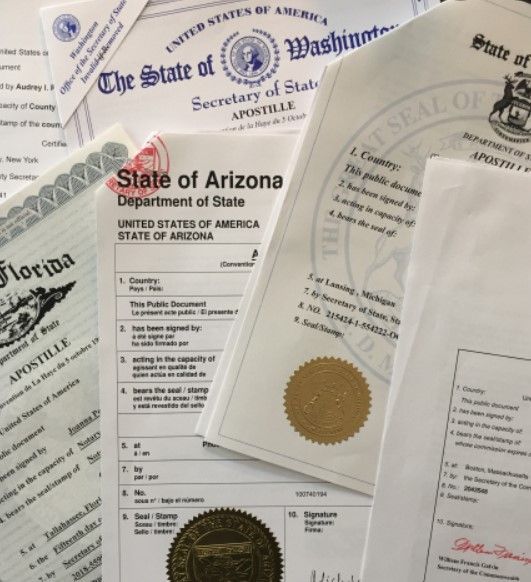
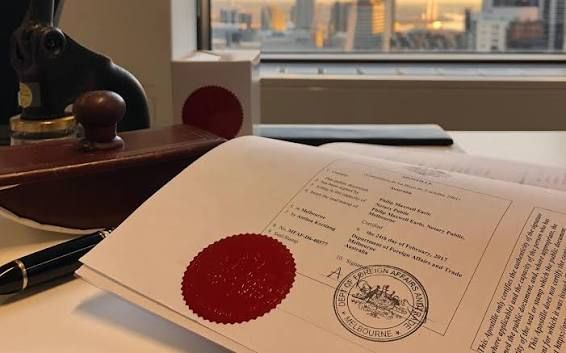
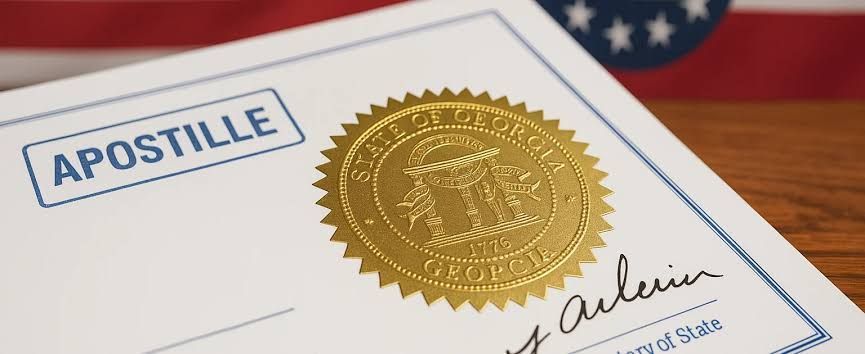
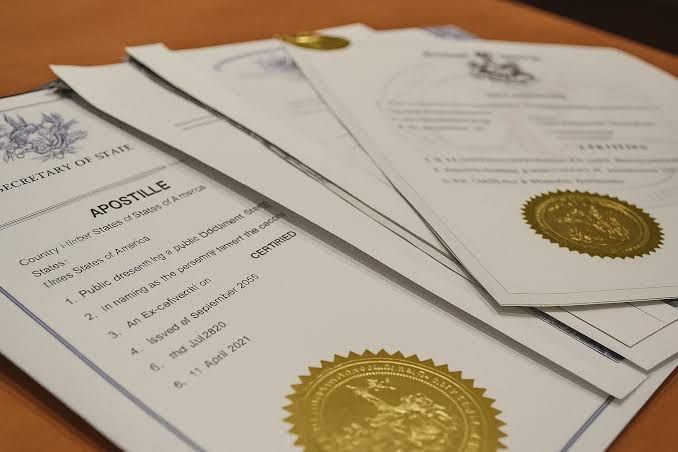
An apostille is an official certificate used to authenticate public documents for use in countries where the 1961 Hague Apostille Convention applies.
It verifies the authenticity of the signature, seal, or official capacity associated with a document.
For example, if you were born in Virginia but are applying for citizenship in another country, the foreign government may request an apostille on your certified Virginia birth certificate.
The apostille helps the receiving country recognize the authenticity of the document's official certification.
However, an apostille does not:
- Verify that every statement within the document is accurate
- Prove your eligibility for citizenship
- Replace a certified translation
- Guarantee approval of your application
- Override the receiving country's documentation requirements
The apostille is one part of the international document preparation process.
Do You Actually Need an Apostille for Dual Citizenship?
You may need an apostille if the country processing your dual citizenship application requires authenticated foreign public documents.
However, not every country, application, or document follows the same process.
Several factors determine whether an apostille is needed.
1. The Country Where You Are Applying
If the receiving country participates in the Hague Apostille Convention and the Convention applies between that country and the document's country of origin, an apostille may be the appropriate method of authentication.
If the Convention does not apply, a different authentication or consular legalization process may be required.
Some citizenship offices or consulates also have specific instructions or exemptions for certain documents.
2. The Type of Document
Not every document in a citizenship application necessarily needs an apostille.
Some agencies may require apostilles for vital records but accept other materials without additional authentication.
3. The Issuing Authority
The government or organization that issued the document helps determine where it must be authenticated.
State-issued documents and federally issued documents generally follow different processing procedures.
4. The Receiving Agency
An embassy, consulate, civil registry, or citizenship office may have its own document requirements.
Always confirm the requirements with the agency handling your application before ordering apostilles.
5 Documents That May Need an Apostille for Dual Citizenship
Depending on your citizenship pathway, you may need to prepare multiple documents.
Here are five common categories.
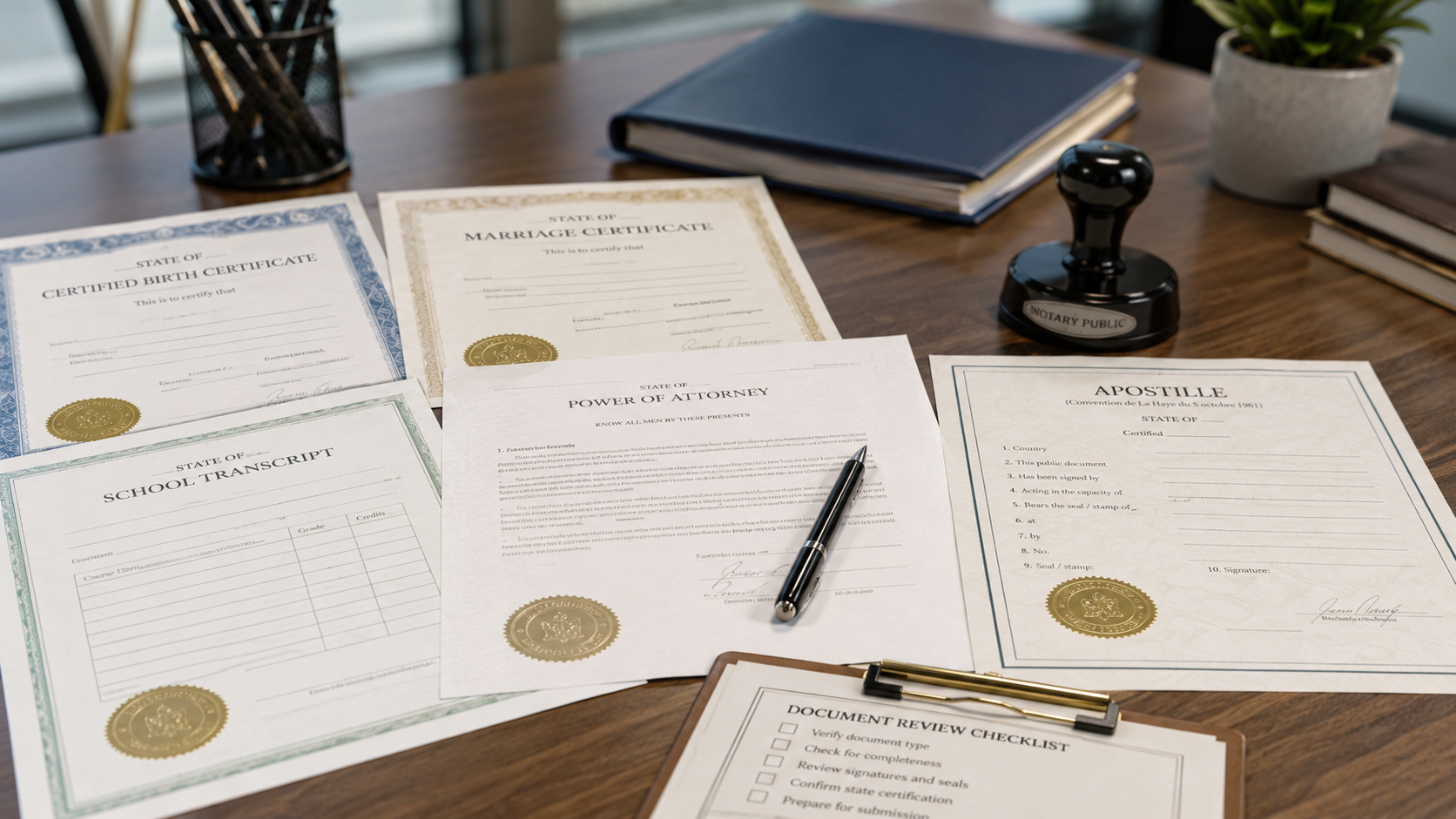
1. Birth Certificates
Birth certificates are among the most frequently requested records for citizenship-by-descent applications.
They may be used to establish:
- Your identity and place of birth
- Your parents' identities
- Your relationship to a qualifying ancestor
- Connections between multiple generations
For example, someone applying through a grandparent may need their own birth certificate, a parent's birth certificate, and a grandparent's birth certificate.
Each record may have different authentication requirements depending on where it was issued.
Important: U.S. state-issued birth certificates generally need an apostille from the state that issued the certified record.
2. Marriage Certificates
Marriage certificates may be required to establish family relationships or document changes in surnames across generations.
For example, if your grandmother's birth certificate lists one surname but her child's birth certificate lists another, a marriage certificate might be needed to connect the records.
The receiving authority determines whether that marriage certificate requires an apostille.
3. Death Certificates
Some citizenship-by-descent applications require a death certificate for a qualifying ancestor.
These records may help establish family history, identity, or other facts required by the receiving country.
If the record was issued in a U.S. state, the appropriate state authentication authority generally handles its apostille.
4. Name Change and Court Documents
Name changes can complicate citizenship applications when names differ across birth records, marriage certificates, passports, or other documents.
Applicants may need:
- Court-issued name change orders
- Divorce decrees
- Adoption records
- Other legal records connecting different names
These documents may require certified copies, apostilles, and translations.
5. FBI Background Checks or Criminal History Records
Some countries require background checks as part of certain citizenship, naturalization, or residency applications.
When an FBI-issued background check requires an apostille, it generally follows the federal authentication process through the U.S. Department of State.
This is different from the state apostille process used for state-issued birth and marriage certificates.
Not every dual citizenship application requires an FBI background check. Confirm the actual document list before ordering one.
State Apostille vs. Federal Apostille: What's the Difference?
One of the biggest sources of confusion is determining which government authority should process a document.
The answer depends primarily on the document's issuing authority.
For example, if you currently live in Virginia but your birth certificate was issued in Florida, you generally need to follow Florida's apostille requirements for that birth certificate.
Living in Virginia does not automatically make Virginia the correct state to authenticate your Florida record.
Likewise, an FBI-issued background check does not become a state document simply because it was requested from a particular state.
Submitting your documents to the wrong authority can cause delays and unnecessary expenses.
Do You Need to Apostille Documents for Your Parents or Grandparents?
Possibly.
For citizenship by descent, the applicant may need to provide a chain of documents showing the relationship between generations.
For example, an application based on a grandparent might involve:
- Your birth certificate
- Your parent's birth certificate
- Your grandparent's birth certificate
- Marriage records connecting family names
- Name change or other supporting records
Depending on the receiving country's requirements, some or all of these documents may need authentication.
It is also important to identify where each record originated.
If your grandparent's birth certificate was issued outside the United States, that document generally follows the authentication rules of its country of origin, not the U.S. state apostille process.
A single citizenship application can involve documents issued by several different government authorities.
That's why reviewing the entire document list before submission is so helpful.
Does Your Dual Citizenship Application Require Certified Translation?
In many cases, yes.
If you are submitting English-language documents to a foreign government, the receiving agency may require translations into its official language.
However, translation requirements vary.
Some countries may require:
- A certified translation
- Translation by a sworn or officially recognized translator
- Translation of the apostille certificate itself
- Additional certification or legalization of the translation
- A specific format or language combination
It is also important to confirm the order of processing.
For some applications, the documents may need to be apostilled before translation.
For others, different instructions may apply.
Having your documents translated in the wrong format or sequence could mean paying to have them completed again.
At ANF Signings, we help coordinate certified translation services and document authentication requirements to support the overall preparation process.
Step-by-Step: How to Prepare Documents for Dual Citizenship
If you are beginning the process, here is a practical approach to organizing your paperwork.
Step 1: Confirm Your Citizenship Eligibility and Document Checklist
Start by consulting the appropriate embassy, consulate, citizenship office, or qualified immigration or nationality professional.
Determine which citizenship pathway applies to you and obtain the official document checklist.
Step 2: Identify Every Document You Need
Create a list of required birth certificates, marriage records, background checks, and supporting documents.
For each document, record the issuing country, state, or agency.
Step 3: Obtain the Correct Official Copies
Confirm whether the receiving agency requires originals, certified copies, long-form birth certificates, or recently issued records.
An ordinary photocopy or scanned document may not meet authentication requirements.
Step 4: Determine Which Documents Need Apostilles
Review the receiving country's instructions and identify which records require authentication.
Check whether the Hague Apostille Convention applies or whether another legalization procedure is required.
Step 5: Complete State or Federal Processing
Submit eligible documents through the correct authentication authority.
Different documents may need separate submissions to different government offices.
Step 6: Arrange Certified Translations
Confirm whether your documents and apostilles need translation and whether the receiving agency requires a specific translator or certification format.
Step 7: Review Everything Before Final Submission
Make sure the records, apostilles, translations, names, dates, and other required supporting materials are complete.
Then follow the receiving agency's submission and delivery instructions.
Reviewing your document requirements before starting can help prevent costly processing mistakes.
Common Mistakes That Can Delay a Dual Citizenship Application
International citizenship applications often involve multiple documents, agencies, and deadlines.
Here are some avoidable document-processing mistakes.
Mistake #1: Assuming Every Document Needs an Apostille
Only obtain the authentication required by the receiving agency.
An apostille may be unnecessary for certain documents or applications.
Mistake #2: Sending Documents to the Wrong State
State-issued public records generally follow the authentication process of the issuing state.
Mistake #3: Using Photocopies Instead of Certified Records
Ordinary copies may not be eligible for apostille processing.
Obtain the correct certified record from the appropriate authority.
Mistake #4: Ignoring Name Differences
Differences in spelling, surnames, or recorded information may need to be addressed using additional records or corrections.
An apostille does not correct errors in a document.
Mistake #5: Forgetting About Translation Requirements
An apostilled document may still need an acceptable translation before the foreign authority will process it.
Mistake #6: Assuming an Apostille Guarantees Citizenship Approval
An apostille authenticates an official signature or seal. It does not determine citizenship eligibility or guarantee that the receiving agency will accept the underlying record.
Mistake #7: Waiting Until the Application Deadline
Obtaining certified records, completing state or federal processing, and arranging international shipping can take time.
Begin reviewing your document checklist as early as possible.
How Long Does the Apostille Process Take for Dual Citizenship?
Processing time depends on several factors.
These may include:
- The state or federal agency processing the document
- Whether you need to order new certified records
- Whether additional county or government certification is required
- Government processing times
- Shipping and delivery
- Certified translation requirements
- The number of documents involved
Some applicants need only one or two documents authenticated.
Others must prepare records from multiple states or countries.
There is no universal processing timeline for every dual citizenship application.
Apostille processing and the foreign government's citizenship review are also separate processes.
The fact that your documents are apostilled does not mean your citizenship application has been approved or will be processed immediately
Can You Apply for Dual Citizenship While Living Outside the United States?
Yes, depending on the eligibility and application rules of the country involved.
Many applicants need U.S.-issued documents while living or working abroad.
If you are outside the United States, you may still need birth certificates, marriage certificates, or federally issued documents authenticated by the relevant U.S. authority.
The appropriate procedure depends on each document's origin and the receiving agency's instructions.
ANF Signings can assist with coordinating eligible U.S. document-processing services for clients who are preparing paperwork for use internationally.
How ANF Signings Helps With Dual Citizenship Document Preparation
Applying for dual citizenship can be exciting, but preparing the paperwork can also become overwhelming.
Between gathering family records, determining which documents need apostilles, coordinating translations, and arranging delivery, it can be difficult to know where to begin.
At ANF Signings Notary & Apostille Services, we focus on helping clients navigate the document preparation and authentication process.
Our services include:
- Free Document Review: Helping you identify relevant document-processing requirements and possible next steps.
- State Apostille Processing: Coordinating eligible state-issued documents for authentication.
- Federal Authentication Support: Assisting with eligible federally issued documents, including FBI background checks.
- Certified Translation Coordination: Helping arrange translations when required.
- Document Preparation Support: Reviewing submission requirements and identifying potential issues before processing.
- Domestic and International Shipping Coordination: Helping organize document delivery and return logistics.
- Notary Services: Providing notarization when appropriate for eligible documents.
Whether you are applying through a parent, grandparent, marriage, or another qualifying pathway, ANF Signings can help with the document-processing side of your application.
We do not determine citizenship eligibility or provide legal representation in nationality matters. Our role is to support the preparation and authentication of your documents.
From notarization to translation to apostille — ANF Signings handles the full document process from start to finish.
Frequently Asked Questions About Apostilles and Dual Citizenship
Do all dual citizenship applications require apostilles?
No. Requirements depend on the receiving country, the citizenship pathway, the document type, and the agency reviewing the application.
Can I apostille my parent's or grandparent's birth certificate?
A properly issued certified birth certificate may be eligible for apostille processing through the appropriate issuing authority. However, access to another person's vital record may be restricted by law.
Do I need a separate apostille for each birth certificate?
Generally, each separate certified public document that requires authentication must receive its own appropriate apostille.
Can I get an apostille from Virginia for a birth certificate issued in another state?
Generally, no. A state-issued birth certificate must follow the authentication procedure of the state that issued it.
Does an apostille expire?
An apostille itself generally does not have an expiration date. However, a receiving agency may require recently issued records or apply its own document-age restrictions.
Will an apostille guarantee my dual citizenship application is approved?
No. An apostille authenticates a document's official signature or seal. Citizenship eligibility and application approval are determined separately by the appropriate foreign authority.
What if my documents were issued in multiple countries?
Each document may need authentication through the appropriate authority in its country of origin. The receiving agency can confirm the requirements for each record.
Can ANF Signings help if I don't know which documents need apostilles?
Yes. Our Free Document Review is a starting point for identifying the document-processing steps that may apply to your situation. You should also obtain the official requirements from the citizenship authority handling your application.
Final Thoughts: Prepare Your Documents Before Applying for Dual Citizenship
Dual citizenship applications often involve more than simply gathering birth certificates and completing an application.
Depending on the country and your circumstances, you may need certified records, apostilles, translations, background checks, and other supporting documents.
The key is understanding which documents are required, which authority must authenticate them, and the correct order for completing each step.
One missing requirement could result in delays, additional fees, or the need to resubmit paperwork.
At ANF Signings, we help take the confusion out of international document preparation.
Applying for Dual Citizenship? Let Us Review Your Documents First.
Before mailing your birth certificate, ordering apostilles, or paying for translations, make sure you understand the next step.
Don't guess. Let ANF review it first.
📩 Message “REVIEW” or “APOSTILLE” for a Free Document Review.
ANF Signings Notary & Apostille Services
📞
540-242-3477
🌐
www.anfsignings.com
From notarization to translation to apostille — we help coordinate your international document needs from start to finish.