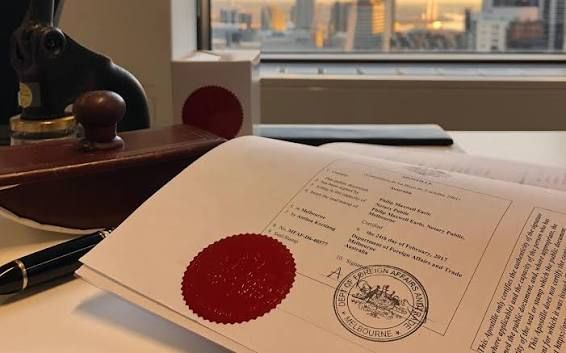
How Law Firms Can Save Time by Outsourcing Apostille and Document Authentication Services
Your attorneys should be focused on practicing law — not tracking apostille paperwork, coordinating government submissions, and managing document authentication deadlines.
For law firms handling estate planning, family law, immigration, real estate, corporate transactions, or international legal matters, document authentication can become an unexpected administrative burden.
A client may need a power of attorney authenticated for use overseas. An estate planning attorney may need certified court documents apostilled for an international inheritance matter. A corporate client may need business records authenticated before completing a transaction abroad.
While these requests may seem straightforward, the process can involve multiple government agencies, specific certification requirements, translation services, and strict submission procedures.
For busy law firms, managing these steps internally takes valuable time away from client service and legal work.
Outsourcing apostille and document authentication services can help law firms reduce administrative work, streamline document coordination, and improve the client experience.
At ANF Signings Notary & Apostille Services, we support attorneys and legal teams by coordinating the document-processing steps needed for domestic and international matters.
Here's how partnering with a professional document services provider can benefit your law firm.

Why Apostille Services Matter for Law Firms
Legal documents are frequently used across state and international borders.
When documents originating in the United States must be presented to a foreign government, court, financial institution, or other organization, the receiving authority may require official authentication.
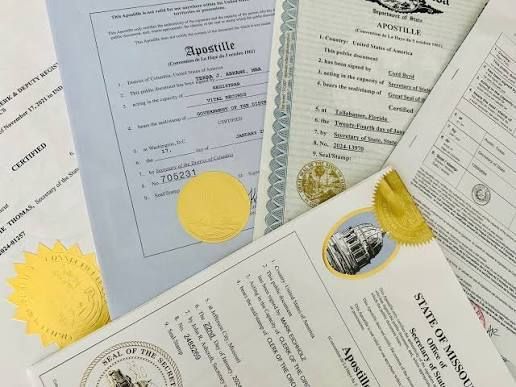
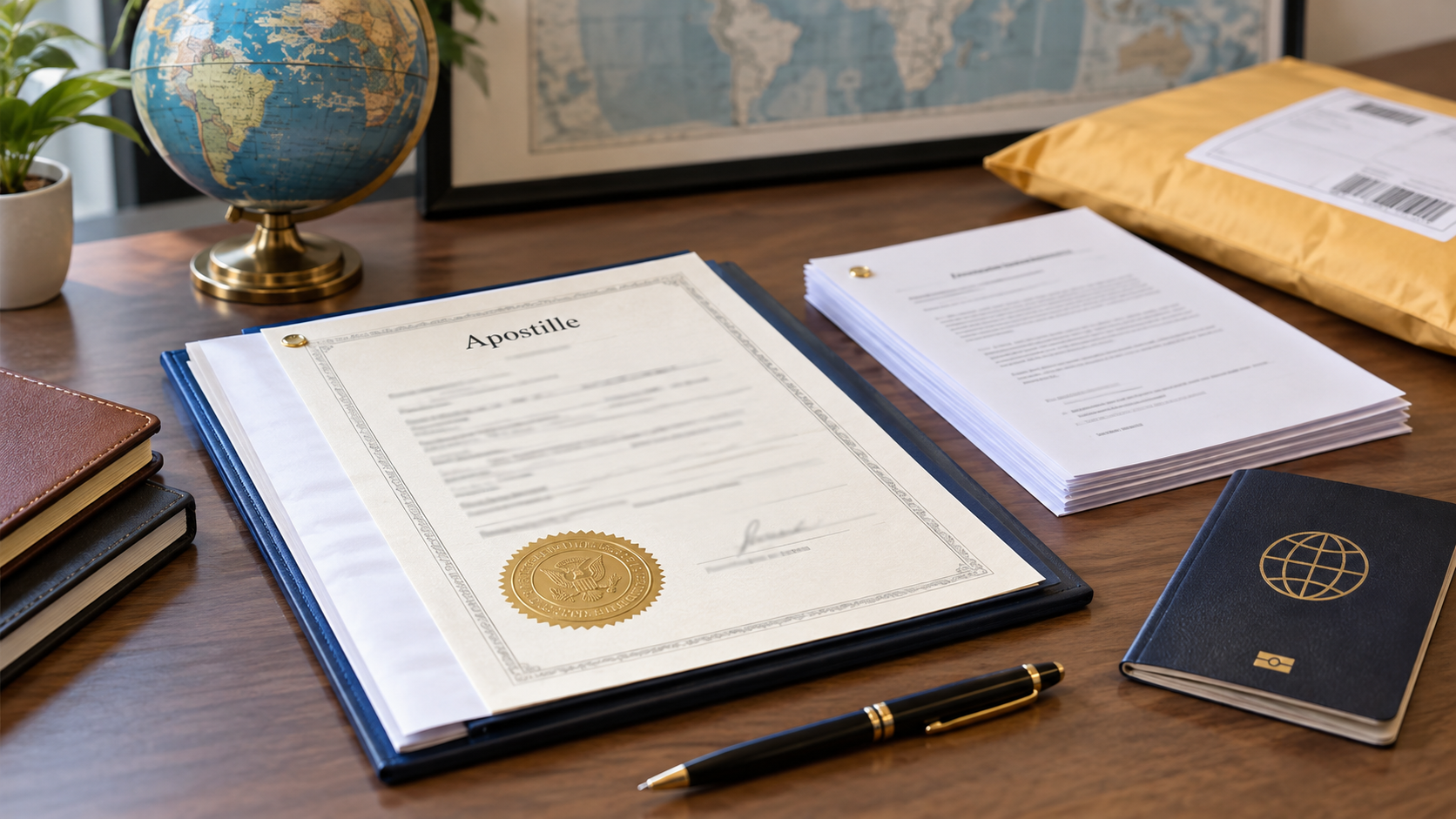
An apostille is a certificate that authenticates the signature, seal, or official capacity associated with a public document.
Apostilles are used under the 1961 Hague Apostille Convention, which simplifies the authentication of qualifying public documents between countries where the Convention applies.
For destinations where the Convention does not apply, a different authentication or consular legalization process may be required.
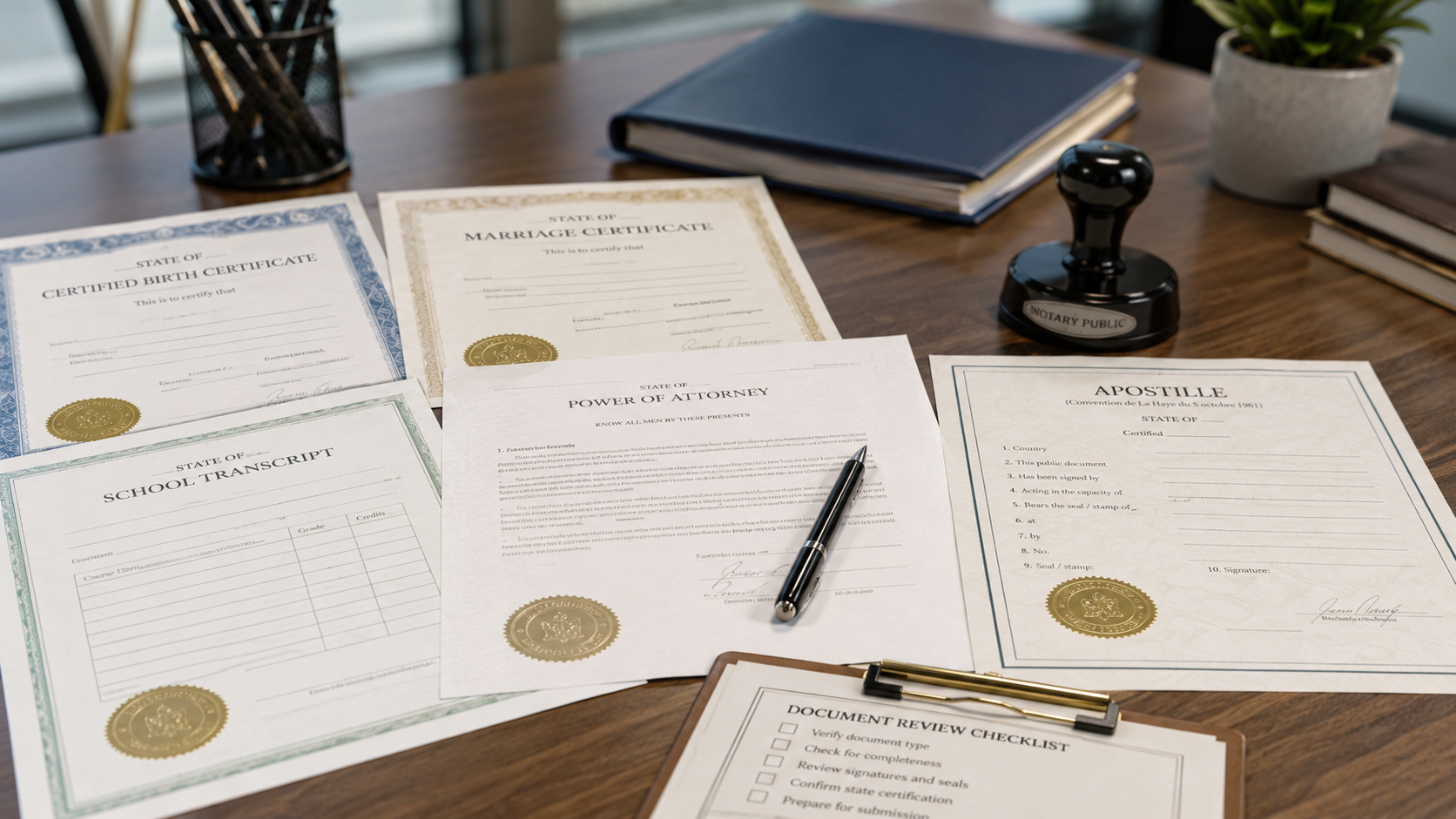
Depending on the practice area, law firms may encounter requests involving:
- Powers of attorney for international property transactions
- Probate and estate administration documents
- Court orders and certified judgments
- Marriage and divorce records
- Adoption-related documents
- Corporate resolutions and business agreements
- Articles of incorporation and other company records
- FBI background checks and federally issued documents
- Affidavits and other notarized legal documents
The correct authentication process depends on the document's origin, its execution or certification, and the requirements of the receiving country or organization.
An apostille verifies an official signature or seal. It does not certify the legal validity of the document's contents or guarantee acceptance by the receiving authority.
For law firms, understanding these distinctions is essential to avoiding unnecessary delays.
1. Reduce Administrative Work for Attorneys and Legal Staff
One of the biggest benefits of outsourcing apostille services is reducing the time spent on document logistics.
Consider the steps involved in a typical authentication request.
Your team may need to:
- Determine whether the document requires an apostille or authentication certificate.
- Identify the correct state or federal authority.
- Verify that the document meets submission requirements.
- Arrange notarization or certified copies when appropriate.
- Prepare the government application and supporting paperwork.
- Coordinate submission fees and shipping.
- Track the request and monitor its return.
- Arrange certified translation if required.
- Coordinate delivery to the client or receiving party.
While many of these activities are administrative, they still require attention to detail.
When handled internally, they compete with other responsibilities such as preparing legal documents, communicating with clients, scheduling appointments, and managing case deadlines.
Outsourcing document authentication allows legal staff to spend less time coordinating paperwork and more time supporting the firm's core legal services.
Instead of assigning multiple employees to research and coordinate each step, your firm can work with a document services provider that manages the agreed-upon administrative workflow.
2. Reduce Preventable Errors and Document Rejections
Apostille requirements are not identical for every document.
For example, a Virginia-issued certified record generally follows Virginia's authentication process, while an FBI-issued background check follows the appropriate federal process.
Some documents may require notarization.
Others may require an official certified copy rather than a notarized photocopy.
Submitting an incorrectly prepared document can result in the request being returned, additional expenses, or missed client deadlines.
Common issues include:
- Sending a document to the wrong authentication authority
- Submitting an ordinary photocopy when a certified copy is required
- Using an outdated or incomplete document
- Missing required signatures or seals
- Requesting the wrong type of authentication
- Completing unnecessary notarization
- Failing to account for translation requirements
- Using the wrong sequence of document-processing steps
An experienced apostille coordination provider can help identify potential administrative issues before submission.
For attorneys, this adds a valuable review step without requiring the legal team to manage every procedural detail themselves.
The goal isn't simply to process documents. It's to help ensure they are properly prepared for the applicable authentication process before they are submitted.
3. Simplify State Apostille and Federal Authentication Requests
Not all documents are authenticated by the same government authority.
For law firms working on multiple matters, understanding these distinctions can become time-consuming.
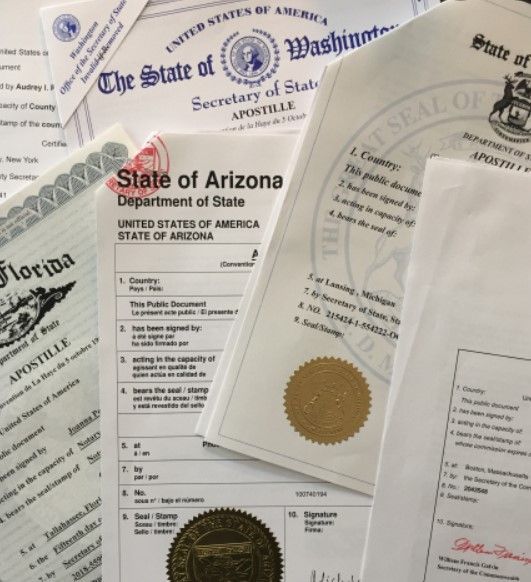
State Apostille Processing
State-issued and many state-notarized documents generally require processing through the appropriate state authentication authority.
Examples may include:
- State-issued birth, marriage, and death certificates
- State court orders
- Notarized powers of attorney
- Certain affidavits and agreements
- Eligible corporate documents
- Other qualifying state-issued or notarized records
The appropriate state is determined by the document's issuing or notarizing authority.
Federal Apostille and Authentication Processing
Certain federally issued documents are handled through the U.S. Department of State's authentication process.
These may include:
- FBI-issued background checks
- Qualifying federal court documents
- Certain federal agency certifications
- Other eligible federally issued records
For documents intended for countries where the Hague Apostille Convention does not apply, additional authentication or consular legalization steps may be necessary.
By outsourcing these services, your firm can rely on a document-processing partner to coordinate the appropriate administrative pathway rather than researching each submission from the beginning.
4. Support International Estate Planning and Probate Matters
Estate planning and probate attorneys may encounter international document requirements when clients or beneficiaries have assets, family members, or legal obligations abroad.
For example, an attorney may be assisting with:
- Estate administration involving foreign property
- International inheritance matters
- Powers of attorney for overseas transactions
- Court-certified probate documents
- Documents requested by foreign financial institutions
- Beneficiary identification or family relationship records
Imagine your firm represents a client who needs to authorize a family member to handle a property-related matter in another country.
The receiving authority may require a properly executed power of attorney, an apostille, and a translation.
Your legal team remains responsible for preparing the instrument and advising on its legal suitability.
A document-processing partner can assist with coordinating eligible notarization, apostille submissions, translation, and delivery requirements.
This division of responsibilities allows your firm to maintain control over the legal work while reducing the administrative burden associated with document authentication.
5. Provide Additional Support for Immigration and Family Law Clients
Immigration and family law matters often involve government records, identity documents, and international documentation requirements.
Depending on the case, clients may need:
- Birth certificates
- Marriage certificates
- Divorce decrees
- Adoption documents
- Name change records
- FBI background checks
- Certified translations
- Authentication of qualifying legal documents
These requests can be particularly challenging when documents were issued in different states or countries.
For example, a client may reside in Virginia but need a marriage certificate authenticated through Florida and a separate federally issued document authenticated through the U.S. Department of State.
Rather than managing several unrelated submissions internally, a law firm can work with a provider to coordinate the eligible document services.
At ANF Signings, our role is to support attorneys with the administrative preparation and authentication process, allowing the firm to retain responsibility for legal advice, case strategy, and determining the documents legally required for the matter.
6. Streamline Corporate and International Business Transactions
Corporate attorneys also encounter apostille and authentication requirements when clients conduct business internationally.
Documents that may require authentication include:
- Articles of incorporation
- Certificates of good standing
- Corporate resolutions
- Powers of attorney
- Business agreements
- Commercial documents
- Certificates of incumbency
- Other corporate records
For example, a U.S. company establishing operations abroad may be asked to provide authenticated corporate documents to a foreign government or financial institution.
The exact requirements will depend on the destination country, receiving institution, and type of transaction.
Outsourcing the administrative processing can help corporate legal teams coordinate these requests while focusing on the legal and commercial aspects of the transaction.
For firms that regularly support international businesses, a dependable document-processing partner can become a useful extension of their administrative workflow.
7. Coordinate Notarization, Apostille, Translation, and Shipping
One of the biggest challenges in international document preparation is that an apostille is not always the only required step.
A document may need several services completed in a particular sequence.
For example, a client's paperwork might involve:
Document preparation → Notarization → Apostille → Certified translation → International delivery
That sequence is only an example. The correct order must follow the requirements of the relevant authorities and receiving agency.
Other documents may require a certified government record, federal authentication, or additional consular legalization instead.
When law firms manage these services separately, staff members may need to communicate with multiple vendors and agencies.
Working with a provider offering related document services can simplify coordination.
ANF Signings offers support with:
Mobile Notary Services
Coordinate eligible in-person notarizations for clients who need documents executed outside a traditional office setting.
Remote Online Notarization (RON)
Provide access to online notarization for eligible documents when permitted by applicable law and accepted by the receiving party.
An electronically notarized document is not automatically eligible for apostille processing; state and destination requirements must be verified before selecting RON.
State Apostille Services
Coordinate the submission of eligible documents through the appropriate state authentication process.
Federal Authentication
Assist with processing eligible federally issued documents, including FBI background checks.
Certified Translation Coordination
Arrange certified translations when required for the document's intended use.
Shipping and Document Logistics
Coordinate appropriate delivery methods and return shipping for processed documents.
One point of contact for related document services can reduce the number of administrative tasks your firm must coordinate independently.
8. Improve Communication and the Client Experience
Clients working through international legal matters are often unfamiliar with apostilles and document authentication.
They may not understand:
- Why an apostille is required
- Why a certified copy is necessary
- Which government office must process the document
- Why translation may be needed
- How long the administrative process could take
This uncertainty can lead to repeated questions and follow-up calls to your legal team.
A document services partner can help explain the administrative steps, identify outstanding document requirements, and communicate processing updates within the agreed scope of service.
For the law firm, this can help create a more organized client experience.
Your attorneys can continue focusing on legal advice while document-processing questions are coordinated through the appropriate service provider.
A smoother administrative process reflects positively on the overall client experience your firm provides.
9. Create a More Scalable Document-Processing Workflow
For law firms that handle recurring document authentication requests, outsourcing can offer benefits beyond an individual transaction.
Instead of treating each apostille request as an entirely new project, your firm can establish a repeatable workflow.
For example:
Step 1: Submit the Request
Your legal team provides the document type, issuing authority, destination country, deadline, and relevant receiving-agency instructions.
Step 2: Document Review
The document-processing partner reviews applicable submission requirements and identifies any missing administrative information.
Step 3: Confirm Scope and Pricing
The parties agree on the services needed, associated costs, estimated processing considerations, and delivery arrangements.
Step 4: Coordinate Processing
The provider coordinates eligible notarization, apostille, authentication, translation, or shipping services within the approved scope.
Step 5: Return the Completed Documents
The completed documents are returned to the firm or another approved recipient, with available processing confirmations.
This type of workflow can be particularly useful for law firms that regularly support international clients.
It can also make it easier to assign responsibilities, track requests, and maintain consistent communication.
10. Support Better Cost Management
Law firms often evaluate administrative work based on staff time, case priorities, and the resources required to complete a task.
Document authentication can involve several indirect costs.
These may include:
- Staff hours spent researching requirements
- Time preparing submission paperwork
- Postage and courier expenses
- Repeated submissions after preventable errors
- Translation coordination
- Time spent communicating with multiple agencies
Outsourcing does not eliminate government fees or guarantee lower total costs.
However, it can help make the scope of administrative work more predictable and reduce time spent on nonlegal coordination.
For firms managing regular requests, an ongoing service arrangement may also simplify the process of obtaining quotes and authorizing services.
The value is not just the price of an apostille.
It's the time your staff can redirect toward client matters and the more organized process your firm can offer.
What Should Law Firms Look for in an Apostille Service Provider?
Before outsourcing document authentication, attorneys and firm administrators should evaluate a few important factors.
Experience With Different Document Types
The provider should understand the distinction between state-issued, federally issued, and privately executed documents.
Knowledge of International Authentication Processes
The provider should understand when apostille processing applies and when an alternative authentication or legalization procedure may be necessary.
Clear Communication
Your firm should know what information is needed, what services are being coordinated, and how updates will be provided.
Transparent Service Scope
Government fees, shipping expenses, translation costs, and professional service charges should be clearly identified.
Secure Document Handling
Legal documents may contain confidential or sensitive information.
Firms should ask prospective providers about document access, transmission, retention, return procedures, and how confidentiality expectations are addressed.
Respect for the Attorney-Client Relationship
A document services provider should support the firm's administrative work without providing unauthorized legal advice or interfering with the attorney's professional responsibilities.
How ANF Signings Partners With Law Firms
At
ANF Signings Notary & Apostille Services, we understand that law firms need more than a vendor who simply receives paperwork.
They need a dependable document services partner who can coordinate requests, communicate clearly, and support the administrative workflow without adding unnecessary complexity.
We work with legal professionals who need assistance with notarization, apostille processing, federal authentication, certified translations, and related document services.
Our Law Firm Support Includes:
- Apostille and Authentication Coordination: Assistance with qualifying state and federal document requests.
- Document Review: Preliminary administrative review to help identify required processing steps.
- Mobile and Remote Online Notarization: Notarial services for eligible documents and transactions.
- Certified Translation Coordination: Supporting international documentation requirements.
- Shipping Coordination: Arranging delivery and return logistics.
- Recurring Service Support: Discussing ongoing document-processing needs and customized workflows for firms with regular requests.
Whether your firm handles an occasional international power of attorney or recurring estate planning and corporate document requests, ANF Signings can help coordinate the related administrative services.
Our goal is simple:
Help your legal team spend less time managing document logistics and more time serving clients.
Frequently Asked Questions About Outsourcing Apostille Services
Can a law firm outsource apostille processing?
Yes. Law firms can use third-party document service providers to assist with eligible administrative authentication requests, subject to applicable professional obligations, client authorization, and confidentiality requirements.
The firm should retain appropriate oversight of outsourced work.
Does the attorney still prepare the legal documents?
Yes. Attorneys remain responsible for legal drafting, advice, and representation. An apostille service provider coordinates authentication and related administrative services within the agreed scope.
Can ANF Signings handle requests involving documents from different states?
ANF Signings offers nationwide apostille coordination assistance. Each document must still follow the applicable requirements of its issuing or notarizing state.
Can a law firm send multiple documents for processing?
Yes, eligible multiple-document requests can be coordinated. The requirements, costs, and processing methods may differ by issuing authority, destination, and document type.
Can FBI background checks be apostilled?
Yes. Eligible FBI-issued background checks can be submitted through the U.S. Department of State's federal apostille process when an apostille is required.
Can remote online notarization be used for documents requiring an apostille?
Sometimes, but not automatically. Acceptance and apostille eligibility depend on the applicable state requirements, document format, and receiving authority. These details should be confirmed before proceeding.
Does outsourcing guarantee faster government processing?
No. Government agencies establish their own processing procedures and timelines. Outsourcing may reduce internal administrative work and preventable submission errors, but it does not guarantee expedited government action.
Does ANF Signings offer ongoing support for law firms?
ANF Signings welcomes discussions about recurring document-processing needs, including apostille coordination, notarization, translations, and other related administrative services.
Final Thoughts: Let Your Legal Team Focus on Legal Work
Document authentication may be a necessary part of serving clients with international legal needs, but it does not have to consume your firm's administrative resources.
By outsourcing apostille and authentication coordination, law firms can potentially:
- Reduce time spent on document logistics
- Limit preventable processing mistakes
- Simplify state and federal authentication requests
- Coordinate multiple related services
- Improve communication about document status
- Build a more consistent workflow for recurring requests
- Keep attorneys and legal staff focused on their primary responsibilities
For firms handling estate planning, probate, family law, immigration, real estate, and corporate matters, a reliable document services partner can provide valuable administrative support.
Your firm handles the legal work. ANF Signings helps coordinate the document process.
Law Firms: Let's Build a More Efficient Document-Processing Partnership
Does your firm regularly need apostilles, document authentication, notarization, or certified translations?
Instead of managing every request internally, consider partnering with ANF Signings.
We can discuss your firm's document-processing needs, recurring requests, and opportunities to simplify your administrative workflow.
From notarization to translation to apostille — ANF Signings handles the full document process from start to finish.
Contact ANF Signings to discuss law firm services or request a document review.
📩 Message “ATTORNEY” or “REVIEW” to get started
ANF Signings Notary & Apostille Services
📞
540-242-3477
🌐
www.anfsignings.com
Supporting attorneys and legal professionals with nationwide document authentication coordination, notarization, certified translation, and related services.